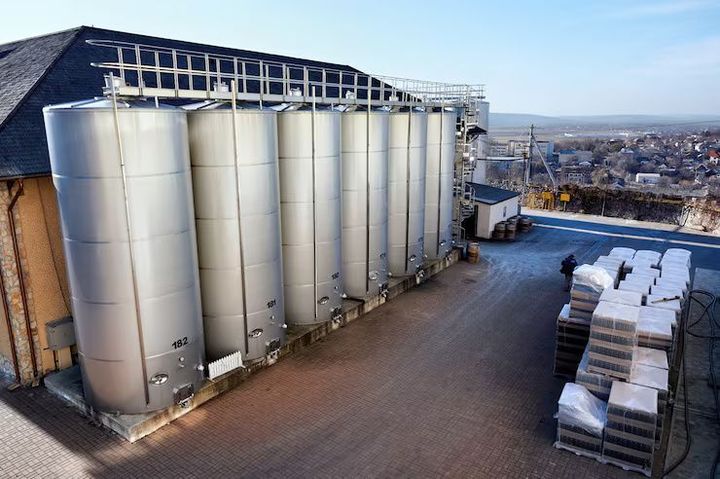
Informative Details on the Structure and Functionality of Cryogenic Tanks
Cryogenic tanks are specialized storage systems designed to hold gases or liquids at extremely low temperatures. These substances—such as liquid oxygen, nitrogen, hydrogen, and natural gas—must be stored below –150°C (–238°F) to remain in a liquid state. The tanks play a crucial role in industries including healthcare, energy, aerospace, food processing, and scientific research.
Cryogenic tanks are specialized storage systems designed to hold materials at extremely low temperatures. The term “cryogenic” comes from Greek words meaning “cold producing,” reflecting their purpose of safely storing gases that would otherwise evaporate under normal conditions.
These tanks have evolved from basic insulated containers into advanced systems with vacuum insulation, automated monitoring, and enhanced safety mechanisms. They are widely used in industries such as healthcare, energy, manufacturing, and scientific research.
Importance of Cryogenic Tanks
Cryogenic tanks are essential for maintaining the stability and safe transport of liquefied gases. They support critical infrastructure across multiple industries.
Their role is particularly significant in global healthcare, energy supply, and industrial production.
Key Reasons for Importance
- Store medical gases like oxygen and nitrogen for healthcare use
- Enable industrial processes such as welding and metal treatment
- Support energy systems like liquefied natural gas (LNG) storage
- Facilitate scientific research and space exploration
- Maintain temperature control in food processing and preservation
During global health emergencies, such as the COVID-19 pandemic, cryogenic oxygen storage became crucial for medical treatment.
Recent Updates in Cryogenic Technology (2024–2025)
Recent innovations highlight advancements in efficiency, sustainability, and automation.
Advanced Composite Materials
New lightweight and high-strength materials improve durability and reduce transportation weight.
Automation and IoT Integration
Sensors and IoT systems enable real-time monitoring of temperature, pressure, and leaks, improving safety and maintenance.
Sustainable Insulation Methods
Eco-friendly insulation materials enhance energy efficiency and reduce environmental impact.
Cryogenic Hydrogen Storage
Growing hydrogen energy projects require tanks capable of storing hydrogen at extremely low temperatures (–253°C).
LNG Expansion Projects
Increased global investment in LNG storage supports cleaner energy initiatives and transportation systems.
Key Trends Overview
| Trend (2024–2025) | Description |
|---|---|
| Composite Materials | Lightweight and durable tank structures |
| IoT Monitoring | Real-time tracking and predictive maintenance |
| Sustainable Insulation | Eco-friendly and energy-efficient designs |
| Hydrogen Storage | Support for green energy infrastructure |
| LNG Expansion | Growth in cleaner fuel storage systems |
Laws and Policies
Cryogenic tanks are regulated by international safety and environmental standards.
International Safety Standards
Standards such as ISO 21009-1:2019 define requirements for design and operation of vacuum-insulated tanks.
Pressure Vessel Regulations
The ASME Boiler and Pressure Vessel Code ensures safety in pressure-containing components.
Transportation Regulations
Guidelines from the United Nations, U.S. Department of Transportation, and European ADR Agreement regulate transport of liquefied gases.
Environmental and Energy Policies
Programs like the EU Eco-design Directive promote energy-efficient cryogenic systems.
Workplace Safety Regulations
Standards such as OSHA 1910.101 require proper handling, ventilation, and safety procedures for cryogenic gases.
Hydrogen Economy Policies
Countries are introducing policies to regulate hydrogen storage as part of renewable energy strategies.
Tools and Resources
Various tools help engineers and operators design and manage cryogenic systems.
Engineering and Design Tools
- CryoCalc for storage capacity calculations
- NIST Thermophysical Database for fluid properties
- ASME Digital Collection for design standards
Monitoring and Analytics Tools
- CryoAnalytics software for predictive maintenance
- IoT-based monitoring systems for performance tracking
Safety and Compliance Resources
- NASA Cryogenic Safety Manual
- Government safety portals (OSHA, ISO, EPA)
- Environmental compliance checklists
Tools Overview
| Tool / Resource | Purpose |
|---|---|
| CryoCalc | Storage and evaporation calculations |
| NIST Database | Thermal property data |
| CryoAnalytics | Monitoring and predictive maintenance |
| NASA Manual | Safety procedures and guidelines |
| Government Portals | Compliance and safety standards |
These tools support efficient operation, safety, and compliance.
Frequently Asked Questions
What materials are used in cryogenic tanks?
They are typically made from stainless steel, aluminum, or carbon steel, with double-wall vacuum insulation.
How do cryogenic tanks maintain low temperatures?
They use vacuum insulation and reflective materials to minimize heat transfer and maintain stable internal conditions.
What safety precautions are required?
Operators must use protective equipment, ensure proper ventilation, and monitor pressure and leaks.
Which gases can be stored?
Common gases include oxygen, nitrogen, argon, hydrogen, and liquefied natural gas.
What is the difference between stationary and transport tanks?
Stationary tanks are used for fixed storage, while transportable tanks are designed for safe movement via trucks, ships, or rail.
Conclusion
Cryogenic tanks are essential for storing and transporting gases at extremely low temperatures. They support critical applications in healthcare, energy, industry, and research.
With advancements in materials, automation, and sustainability, cryogenic technology continues to evolve. Understanding their design, regulations, and tools helps ensure safe, efficient, and environmentally responsible operations in modern industries.