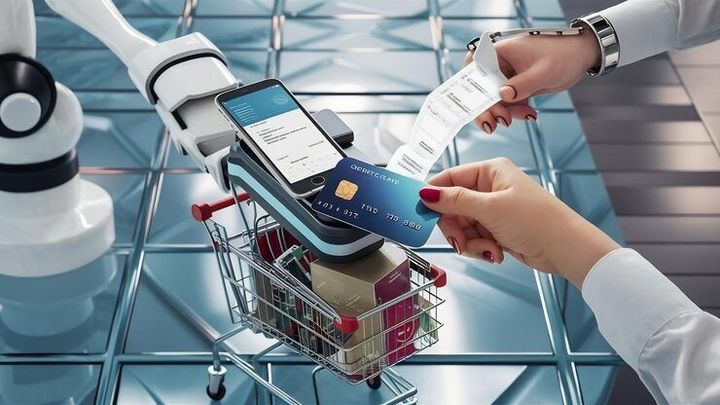
IoT payment and checkout solutions are designed to simplify transactions in a digitally connected world. As businesses adopt cloud computing, artificial intelligence, and mobile payment gateways, these systems enable seamless communication between devices, payment processors, and backend platforms.
In practical terms, IoT payment solutions use sensors, RFID tags, embedded chips, and secure connectivity to detect product usage and automatically process payments. This eliminates manual billing and enhances customer convenience.
Common Examples
-
Smart retail checkout kiosks
-
Autonomous convenience stores
-
Connected parking meters
-
Smart fuel pumps
-
IoT-enabled vending machines
-
Subscription-based device payments
These systems improve efficiency, reduce manual work, and support digital transformation across industries such as retail, transportation, hospitality, and healthcare.
Importance
IoT payment solutions are important because businesses are shifting toward automation and data-driven operations. Consumers increasingly expect fast, secure, and contactless payment experiences.
Industries Affected
-
Retail implementing smart stores
-
Financial institutions managing digital payments
-
Logistics and transportation companies
-
Healthcare facilities using connected billing
-
Smart city infrastructure planners
Problems Solved
-
Long checkout lines
-
Manual billing errors
-
Limited transaction visibility
-
Inconsistent customer experience
-
Cash handling risks
Business Benefits
-
Real-time transaction monitoring
-
Customer behavior analytics
-
Reduced dependency on cash
-
Integration with ERP systems
-
Improved operational efficiency
The growth of contactless payments and mobile wallets has significantly accelerated the adoption of IoT checkout systems worldwide.
Recent Updates
In 2025, IoT payment and checkout solutions have evolved rapidly due to advancements in AI, security, and embedded finance. Industry reports highlight strong growth in cashier-less store technologies, especially in urban markets.
Updates in global payment security frameworks now emphasize stronger encryption standards for connected devices. This directly impacts IoT hardware manufacturers and fintech providers.
Key Trends in 2025
-
Expansion of biometric authentication
-
AI-powered fraud detection
-
Increased use of edge computing
-
Enhanced tokenization for security
-
Better interoperability with cloud payment systems
Smart city initiatives have also accelerated the adoption of IoT-enabled payment systems for parking, transit, and municipal services.
Laws and Policies
IoT payment systems must comply with financial regulations, data protection laws, and cybersecurity standards. These frameworks ensure secure transactions and protect user data.
Key Regulations
-
PCI DSS for payment security
-
GDPR for data protection in the European Union
-
PSD2 for strong customer authentication
-
National cybersecurity frameworks
Security Requirements
-
Secure firmware updates
-
Network monitoring
-
Data encryption
-
Access control mechanisms
Compliance Overview Table
| Regulatory Area | Impact on IoT Payments |
|---|
| Data Protection Laws | Requires secure handling of customer data |
| Payment Security Standards | Enforces encryption and fraud prevention |
| Consumer Protection Policies | Ensures transparency in billing |
| Cybersecurity Regulations | Mandates secure device communication |
Businesses operating globally must align their systems with local and international regulations.
Tools and Resources
Various tools and platforms support IoT payment ecosystems, enabling secure and efficient transaction processing.
Common Tools
-
Cloud-based payment gateways
-
IoT device management platforms
-
API integration frameworks
-
Cybersecurity monitoring software
-
Tokenization and encryption tools
-
Fraud detection analytics systems
-
Digital wallet integration platforms
Developer Technologies
-
RESTful APIs for transactions
-
IoT cloud platforms
-
Secure SDKs for devices
-
Data analytics dashboards
Typical IoT Checkout Workflow
-
Device detects product or usage
-
Data sent securely to cloud server
-
Payment authentication initiated
-
Transaction processed via gateway
-
Confirmation sent to user and device
Technology Layers Table
| Layer | Function |
|---|
| Device Layer | Sensors, RFID, smart terminals |
| Connectivity Layer | Wi-Fi, 5G, Bluetooth, edge computing |
| Application Layer | Payment software, analytics tools |
| Security Layer | Encryption, tokenization, authentication |
These layers work together to deliver seamless and secure payment experiences.
Frequently Asked Questions
What is an IoT payment solution?
An IoT payment solution is a connected system that allows devices to automatically process digital transactions using secure communication and integrated payment platforms.
How are IoT checkout systems different from traditional POS systems?
Traditional POS systems require manual interaction, while IoT systems automate detection, billing, and payments using sensors and cloud platforms.
Are IoT payment systems secure?
Security depends on encryption, tokenization, and compliance with standards like PCI DSS. Proper implementation includes multi-layer cybersecurity measures.
Which industries use IoT checkout technology?
Industries include retail, transportation, healthcare, hospitality, smart cities, and energy sectors.
What technologies support IoT payments?
Technologies include RFID, NFC, AI-based fraud detection, cloud computing, edge computing, secure APIs, and digital wallets.
Conclusion
IoT payment and checkout solutions are transforming how businesses handle transactions in a connected world. By integrating IoT devices, cloud systems, and cybersecurity frameworks, organizations can streamline operations and enhance customer experiences.
Recent developments in 2025 highlight the growing role of AI, biometric authentication, and embedded finance. At the same time, strict regulations require businesses to maintain strong data protection and security practices.
As digital transformation continues, IoT-enabled checkout systems will remain a key component of modern business infrastructure. Understanding their technology, compliance requirements, and benefits helps organizations make informed and secure decisions.