Lab Sterilization Guide: Explore Methods, Standards, and Key Insights
Lab sterilization refers to the process of eliminating all forms of microorganisms, including bacteria, viruses, fungi, and spores, from laboratory environments, equipment, and materials. It is a fundamental practice in scientific research, healthcare, and industrial laboratories where contamination can affect results or safety.
Laboratory sterilization systems are designed to achieve controlled and consistent sterilization through methods such as heat, pressure, radiation, or chemical agents. These systems are used in a wide range of settings, including pharmaceutical lab sterilization and biotech laboratory sterilization, where maintaining sterile conditions is essential.
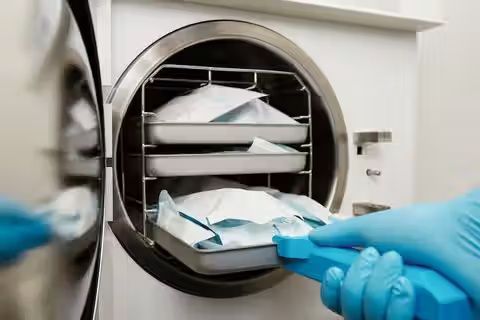
Lab sterilization equipment includes devices such as autoclaves, dry heat ovens, filtration units, and ultraviolet systems. Each type of equipment is suited to specific materials and applications. For example, autoclaves use pressurized steam to sterilize instruments and media, while filtration systems are used for heat-sensitive liquids.
Laboratory sterilization standards provide guidelines for how sterilization should be performed and validated. These standards ensure that processes are reliable and consistent across different laboratories.
Importance
Lab sterilization is important because it helps prevent contamination that could compromise experiments, production processes, or safety. In scientific research, even small amounts of contamination can affect results and lead to inaccurate conclusions.
In pharmaceutical lab sterilization, maintaining sterile conditions is critical for producing safe and effective products. Contamination in this context can affect product quality and safety.
Biotech laboratory sterilization is equally important, as it supports work with biological materials such as cells and microorganisms. Proper sterilization ensures that experiments are conducted in controlled conditions.
Laboratory sterilization systems help maintain consistent environments by eliminating harmful microorganisms. This is essential for protecting both laboratory personnel and the integrity of research.
For everyday users, the impact of lab sterilization is indirect but significant. It contributes to the safety of medicines, medical devices, and other products that rely on sterile conditions during development and production.
Recent Updates
Recent developments in lab sterilization focus on efficiency, automation, and environmental considerations. One key trend is the use of advanced laboratory sterilization systems that integrate digital controls. These systems allow precise monitoring of temperature, pressure, and exposure time.
Automation is becoming more common in lab sterilization equipment. Automated systems reduce manual handling and improve consistency, particularly in high-throughput environments.
There is also growing interest in low-temperature sterilization methods. These methods are useful for materials that cannot withstand high heat, expanding the range of items that can be sterilized effectively.
Biotech laboratory sterilization is benefiting from improved filtration technologies. Advanced filters can remove microorganisms more efficiently, supporting sensitive applications.
Sustainability is another focus area. Efforts are being made to reduce energy consumption and water usage in sterilization processes.
Overall, the trend is toward more precise, efficient, and environmentally responsible sterilization practices.
Laws or Policies
Lab sterilization is governed by regulations and standards that ensure safety, quality, and consistency. These regulations apply to both laboratory practices and equipment.
Laboratory sterilization standards define the procedures and conditions required for effective sterilization. These standards help ensure that processes are reliable and reproducible.
In pharmaceutical lab sterilization, strict regulatory frameworks apply. These frameworks require validation of sterilization processes to ensure that products meet safety requirements.
Biotech laboratory sterilization is also subject to guidelines related to handling biological materials. These guidelines ensure that risks are minimized and safety is maintained.
Workplace safety regulations apply to the use of lab sterilization equipment. These rules help protect personnel from hazards such as high temperatures and chemical exposure.
Environmental regulations may influence how sterilization processes are conducted, particularly in terms of waste management and resource use.
Tools and Resources
Lab sterilization relies on a variety of tools and resources that support different methods and applications. These tools help ensure that sterilization is effective and appropriate for the materials being treated.
Common tools and resources include:
- Autoclaves, which use steam and pressure for sterilization
- Dry heat ovens, which use high temperatures for materials that can withstand heat
- Filtration systems, which remove microorganisms from liquids
- Ultraviolet systems, which use radiation to sterilize surfaces and air
- Chemical sterilants, which are used for heat-sensitive materials
Below is a simplified overview of common sterilization methods:
| Method | Key Features | Typical Applications |
|---|---|---|
| Steam Sterilization | Uses pressurized steam | Instruments, culture media |
| Dry Heat | Uses high temperature | Glassware, metal tools |
| Filtration | Removes microorganisms from liquids | Heat-sensitive solutions |
| UV Radiation | Uses light to disinfect surfaces | Air and surface sterilization |
| Chemical Methods | Uses sterilizing agents | Sensitive equipment |
These methods are selected based on the type of material and the level of sterilization required.
FAQs
What is lab sterilization?
Lab sterilization is the process of eliminating all microorganisms from laboratory equipment and environments to prevent contamination.
What are laboratory sterilization systems?
Laboratory sterilization systems are integrated setups that use methods such as heat, pressure, or chemicals to achieve sterile conditions.
What is pharmaceutical lab sterilization?
Pharmaceutical lab sterilization involves processes used to ensure that products and equipment are free from contamination in pharmaceutical settings.
What is biotech laboratory sterilization?
Biotech laboratory sterilization focuses on maintaining sterile conditions for biological research and applications involving living organisms.
What are laboratory sterilization standards?
Laboratory sterilization standards are guidelines that define how sterilization processes should be performed and validated to ensure effectiveness.
Conclusion
Lab sterilization is a critical process that supports safety, accuracy, and quality in laboratory environments. From pharmaceutical lab sterilization to biotech laboratory sterilization, maintaining sterile conditions is essential for reliable outcomes. Advances in laboratory sterilization systems and equipment continue to improve efficiency and precision. As scientific and industrial activities expand, lab sterilization remains a fundamental part of maintaining controlled and safe environments.