Laboratory Incubators Guide: Features, Applications and Maintenance
Laboratory incubators are an important part of scientific research, medical testing, and educational laboratories. They create a controlled environment where samples can remain at a stable temperature for a specific period. This controlled setting allows researchers, students, and laboratory professionals to study biological materials under consistent conditions. Although laboratory incubators are commonly associated with microbiology, they are also used in many other scientific fields.
From growing microorganisms to supporting cell culture research, these devices help maintain conditions that would otherwise be difficult to achieve.
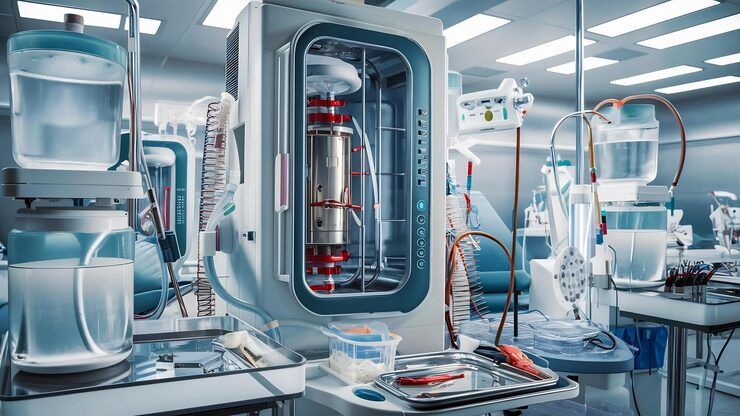
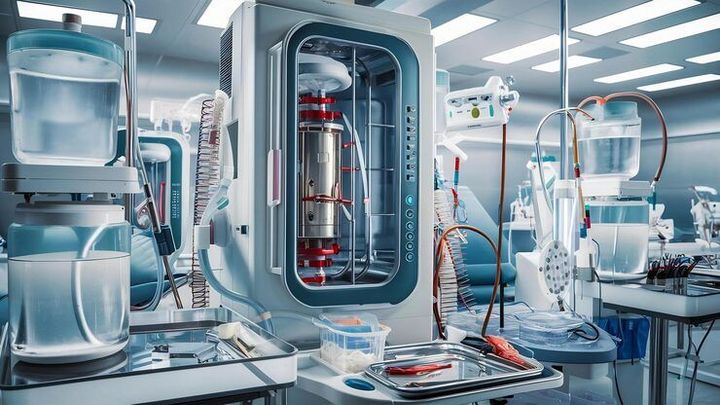
This guide explains what laboratory incubators are, how they work, the different types available, their common applications, and the factors to consider when selecting and maintaining one.
What Are Laboratory Incubators?
A laboratory incubator is an enclosed piece of laboratory equipment designed to maintain controlled environmental conditions. The primary purpose is to keep samples at a stable temperature, although some models can also regulate humidity, carbon dioxide (CO₂), or oxygen levels.
Inside the chamber, samples remain protected from outside temperature changes. This stable environment supports biological growth, scientific observation, and experimental consistency.
Laboratory incubators are widely used in:
- Microbiology laboratories
- Medical laboratories
- Pharmaceutical research
- Biotechnology laboratories
- Universities and educational institutions
- Food testing laboratories
- Environmental research laboratories
How Laboratory Incubators Work
The operation of a laboratory incubator is based on maintaining a stable internal environment.
A heating element raises the chamber temperature, while sensors continuously monitor it. A controller adjusts the heating system whenever the temperature changes, helping keep conditions consistent.
Air circulation also plays an important role. Many laboratory incubators include fans that distribute warm air evenly throughout the chamber, reducing temperature differences between shelves.
Some advanced models also monitor:
- Carbon dioxide concentration
- Humidity levels
- Oxygen concentration
- Air circulation patterns
These additional controls are especially important for sensitive biological experiments.
Main Components of a Laboratory Incubator
Several components work together to create stable laboratory conditions.
Heating System
The heating element generates warmth throughout the chamber. Modern incubators maintain temperatures with a high level of accuracy.
Temperature Controller
The controller monitors the internal temperature and adjusts the heating system automatically.
Air Circulation Fan
Fans help distribute warm air evenly, reducing hot and cold spots.
Interior Chamber
The chamber is where laboratory samples are placed. Stainless steel interiors are commonly used because they are durable and easy to clean.
Shelves
Adjustable shelves allow different sample sizes to fit comfortably inside the incubator.
Door and Viewing Window
Many laboratory incubators include insulated doors and transparent windows so users can observe samples without disturbing internal conditions.
Types of Laboratory Incubators
Different laboratory applications require different environmental conditions. As a result, several types of incubators are available.
Standard Laboratory Incubators
These are the most commonly used models. They provide controlled temperatures suitable for routine microbiology and general laboratory work.
CO₂ Incubators
CO₂ incubators maintain both temperature and carbon dioxide concentration.
They are commonly used for:
- Cell culture research
- Tissue culture
- Medical research
- Biotechnology studies
Maintaining the correct CO₂ level helps cells grow under conditions similar to those inside the human body.
Refrigerated Incubators
These incubators combine both heating and cooling functions.
They are useful for experiments that require temperatures below room temperature or gradual temperature changes.
Shaking Incubators
A shaking incubator combines controlled temperature with continuous shaking.
The gentle movement helps mix liquid cultures, improving oxygen distribution and supporting microbial growth.
BOD Incubators
Biochemical Oxygen Demand (BOD) incubators are often used in environmental laboratories.
They help maintain temperatures suitable for water quality analysis and environmental testing.
Common Applications of Laboratory Incubators
Laboratory incubators support many scientific activities across different industries.
Microbiology Research
Microorganisms such as bacteria, fungi, and yeast require specific temperatures for growth.
Incubators help create these conditions, allowing researchers to observe growth patterns and conduct laboratory studies.
Cell Culture
Cell culture research depends on carefully controlled environmental conditions.
CO₂ incubators are commonly used because they maintain the temperature and gas levels needed for healthy cell development.
Pharmaceutical Research
Researchers use incubators when studying biological materials, testing formulations, and conducting stability experiments under controlled conditions.
Medical Laboratories
Medical laboratories use incubators when preparing diagnostic cultures and supporting microbiological investigations.
Food Testing
Food laboratories examine microorganisms that may affect food quality and safety. Stable incubation conditions help ensure reliable laboratory observations.
Environmental Studies
Environmental researchers analyze water, soil, and air samples. Incubators help maintain consistent conditions during these investigations.
Educational Laboratories
Schools, colleges, and universities use laboratory incubators to teach microbiology, biology, biotechnology, and laboratory techniques.
Students gain practical experience while learning about controlled scientific experiments.
Important Features to Consider
Several features influence how well a laboratory incubator supports different applications.
Temperature Range
Different experiments require different temperatures.
Selecting an incubator with an appropriate operating range helps meet laboratory requirements.
Temperature Uniformity
Uniform temperature throughout the chamber helps produce consistent experimental conditions.
Chamber Size
Incubators are available in various capacities, from compact bench models to larger floor-standing units.
The appropriate chamber size depends on sample volume and available laboratory space.
Digital Controls
Modern digital displays make it easier to monitor temperature settings and operating conditions.
Some models also include programmable settings for different laboratory procedures.
Interior Material
Stainless steel interiors are widely used because they resist corrosion and simplify routine cleaning.
Safety Features
Many laboratory incubators include protective functions such as:
- Over-temperature protection
- Temperature alarms
- Door alarms
- Automatic recovery after power interruptions
These features help reduce the risk of interrupted experiments.
Proper Maintenance of Laboratory Incubators
Routine maintenance supports reliable operation and extends equipment life.
Cleaning the interior regularly helps reduce contamination. Shelves and removable components should also be cleaned according to laboratory procedures.
Temperature calibration is another important step. Periodic verification ensures that displayed temperatures match actual chamber conditions.
Door seals should be inspected for wear, as damaged seals may affect temperature stability.
Air vents and circulation fans should remain clean to maintain proper airflow throughout the chamber.
Regular inspection of sensors and electronic controls also helps identify potential issues before they affect laboratory work.
Safety Practices When Using Laboratory Incubators
Following safe laboratory practices helps protect both samples and laboratory personnel.
Important safety guidelines include:
- Place the incubator on a stable, level surface.
- Avoid blocking ventilation openings.
- Do not overload shelves.
- Monitor temperature settings before placing samples inside.
- Clean spills promptly.
- Use appropriate protective equipment when handling biological materials.
- Follow laboratory safety protocols for sample handling and disposal.
Proper training also helps users understand correct operating procedures.
Choosing the Right Laboratory Incubator
Different laboratories have different requirements.
When comparing laboratory incubators, it is helpful to consider:
- Type of laboratory work
- Temperature requirements
- Sample volume
- Chamber capacity
- Air circulation method
- Environmental control features
- Available laboratory space
- Maintenance requirements
- Safety functions
Matching these factors with laboratory needs helps support reliable experimental conditions.
Future Developments in Laboratory Incubators
Laboratory equipment continues to evolve alongside advances in scientific research.
Many newer incubators include touchscreen controls, remote monitoring, automated alerts, and digital data recording. Some systems also connect with laboratory management software, allowing researchers to monitor equipment performance more efficiently.
Improved temperature sensors and energy-efficient designs continue to enhance consistency while reducing energy consumption. As laboratory research expands into new areas such as regenerative medicine, biotechnology, and environmental science, incubators are expected to support even more specialized applications.
Conclusion
Laboratory incubators are essential equipment for maintaining controlled environmental conditions in scientific research and laboratory testing. Whether supporting microbiology, cell culture, pharmaceutical research, food analysis, or education, these devices provide the stable temperatures needed for accurate and repeatable work.
Understanding the different types of laboratory incubators, their key features, common applications, and proper maintenance practices helps laboratories select equipment that matches their research needs. With continued advances in monitoring and environmental control, laboratory incubators remain an important part of modern scientific discovery.