Laser Machines Guide: Modern Applications and Precision Cutting Techniques
Laser machines are computer-controlled systems that use focused light beams to cut, engrave, mark, or shape materials with high precision.
These systems became more common in manufacturing during the late twentieth century as industries searched for methods that could improve accuracy while reducing material waste. Today, laser machines are used in sectors such as automotive production, electronics, construction, furniture making, packaging, and educational workshops.
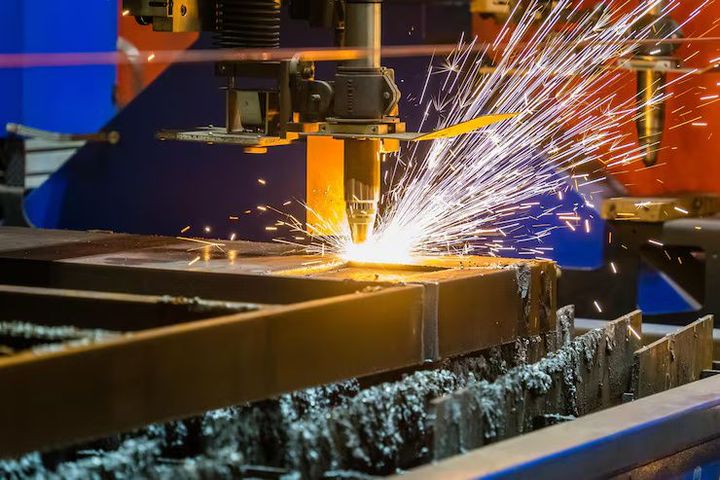
Several types of laser systems exist for different materials and tasks. Industrial laser cutting machines are commonly used to process metal sheets, plastics, and composite materials. Fiber laser cutting machines use optical fiber technology to generate concentrated beams suitable for reflective metals like aluminum and stainless steel. CO2 laser cutting machines are often used for non-metal materials such as wood, acrylic, paper, and textiles.
Laser engraving machines and laser marking machines are designed for surface work rather than deep cutting. Engraving systems remove material to create patterns or text, while marking systems alter the surface appearance through heat or discoloration. CNC laser cutting machines combine computer numerical control with laser technology, allowing automated movement and consistent cutting paths.
The growing use of laser machines for metal cutting and laser machines for wood engraving reflects broader industrial changes toward automation and digital manufacturing. Many factories and workshops now rely on software-driven production methods that reduce manual adjustments and support detailed customization.
Importance
Laser technology plays a major role in modern manufacturing because it supports precise cutting and consistent results across many materials. Industries use laser systems to produce parts for vehicles, consumer electronics, medical tools, architectural structures, and household products.
One important advantage of laser processing is material efficiency. Traditional cutting methods can produce rough edges or larger amounts of leftover material. Laser systems often create narrower cuts, reducing waste and improving material usage. This is especially important in industries working with expensive metals or specialty materials.
Laser machines also improve production flexibility. A CNC laser cutting machine can switch from one design to another through software adjustments instead of changing physical tools. This helps manufacturers produce custom designs, prototypes, and small production runs more efficiently.
Different laser systems address different industrial needs:
| Laser Machine Type | Common Materials | Typical Applications |
|---|---|---|
| Fiber laser cutting machines | Steel, aluminum, copper | Industrial metal fabrication |
| CO2 laser cutting machines | Wood, acrylic, fabric | Sign making and decorative work |
| Laser engraving machines | Wood, leather, glass | Personalized designs and labels |
| Laser marking machines | Metal, plastic | Product identification and tracking |
| CNC laser cutting machines | Multiple materials | Automated precision cutting |
Laser machines for metal cutting are especially important in industries requiring high accuracy, such as aerospace and electronics manufacturing. These sectors often require clean edges and detailed patterns that may be difficult to achieve through mechanical cutting alone.
Laser machines for wood engraving are also widely used in furniture production, artistic projects, and interior decoration. Engraving systems can create detailed patterns on wood surfaces without direct physical contact, reducing wear on cutting tools.
The use of industrial laser cutting machines also affects workplace organization. Many systems include automated loading, digital monitoring, and integrated safety features that support controlled manufacturing environments.
Recent Updates
From 2024 to 2026, laser technology has continued evolving toward greater automation, energy efficiency, and software integration. One major trend is the increased use of artificial intelligence in production systems. Some modern laser machines can now adjust cutting speed and power automatically based on material thickness and surface conditions.
Fiber laser cutting machines have continued gaining attention because they consume less energy compared to some older systems while maintaining high cutting precision. Manufacturers are also developing compact laser systems for smaller workshops and educational environments.
Another trend involves improved integration with digital manufacturing software. CNC laser cutting machines increasingly connect with cloud-based production platforms that monitor machine activity, maintenance schedules, and material usage. This allows factories to track performance data in real time.
Portable laser marking machines have also become more common in logistics and industrial identification processes. These systems are used for barcode marking, serial numbering, and traceability requirements in manufacturing supply chains.
Recent developments in safety technology include:
- Improved enclosed cutting chambers to reduce exposure to laser radiation
- Enhanced smoke extraction systems for indoor workshops
- Automatic shutdown systems during overheating conditions
- Sensor-based monitoring for material alignment and cutting accuracy
CO2 laser cutting machines continue to be used widely for non-metal materials, though newer systems often include upgraded cooling systems and improved motion controls. Hybrid production facilities sometimes use both CO2 and fiber systems depending on the materials being processed.
Laser machine manufacturers are also focusing on environmentally conscious production methods. Some newer systems are designed to reduce electricity consumption and minimize production waste during industrial cutting operations.
Laws or Policies
Laser technology is regulated in many countries because high-powered laser systems can present safety risks if improperly used. Governments and industrial organizations establish standards covering workplace safety, machine operation, and environmental protection.
In the United States, laser systems are regulated by the Food and Drug Administration (FDA) under radiation-emitting electronic product rules. Workplace laser safety is also guided by standards from the Occupational Safety and Health Administration (OSHA). These regulations focus on eye protection, ventilation, warning labels, and operator training.
In the European Union, laser equipment is commonly subject to CE marking requirements and machinery safety directives. These rules address electrical safety, protective enclosures, and safe operational design. Industrial facilities may also follow standards developed by the International Electrotechnical Commission (IEC).
Many countries classify lasers according to their power output and potential hazards. Higher-powered industrial laser cutting machines often require controlled operating environments and protective barriers.
Environmental regulations can also affect laser processing operations. During cutting or engraving, some materials produce smoke, fumes, or airborne particles. Facilities may therefore use filtration and extraction systems to comply with air quality standards.
Policies related to traceability and product identification have increased the use of laser marking machines in manufacturing. Industries such as automotive production and electronics often require permanent identification markings for quality tracking and regulatory compliance.
Educational institutions and technical training centers may also follow safety guidelines when teaching laser machine operation. These rules usually include supervised usage, protective eyewear, and controlled access to operating areas.
Tools and Resources
Several digital tools and resources support the operation and planning of laser-based manufacturing processes. These tools help users create designs, calculate measurements, and prepare materials for cutting or engraving.
Common software categories include:
- Design software: Programs such as CAD and vector graphic platforms are used to create cutting layouts and engraving patterns.
- CNC control software: These systems convert digital designs into movement instructions for CNC laser cutting machines.
- Material libraries: Some platforms provide recommended laser settings for wood, acrylic, metals, and plastics.
- Simulation tools: Digital simulations allow operators to preview cutting paths before production begins.
- Maintenance tracking systems: Factories may use monitoring platforms to track operating hours and maintenance intervals.
Popular design file formats used with laser machines include:
| File Format | Common Use |
|---|---|
| DXF | Engineering and CAD drawings |
| SVG | Vector graphics for engraving |
| AI | Design and illustration files |
| Shared production layouts |
Laser machine manufacturers often provide technical manuals, safety documentation, and compatibility charts for different materials. Industry organizations also publish laser safety standards and educational materials for operators and students.
Online learning platforms increasingly include tutorials about laser engraving machines, laser marking machines, and industrial laser cutting machines. These educational resources explain machine setup, material preparation, ventilation practices, and software workflows.
Material testing charts are another important resource. Different materials respond differently to laser heat, so operators often reference cutting-speed charts and power-setting guides before beginning production work.
FAQs
What are industrial laser cutting machines used for?
Industrial laser cutting machines are commonly used in manufacturing to cut metals, plastics, composites, and other materials with high precision. Industries such as automotive production, electronics, and construction frequently use these systems.
How do fiber laser cutting machines differ from CO2 laser cutting machines?
Fiber laser cutting machines are generally used for metals and reflective materials, while CO2 laser cutting machines are more commonly associated with wood, acrylic, textiles, and other non-metal materials. The two systems use different methods to generate laser beams.
What materials can laser engraving machines process?
Laser engraving machines can work with materials such as wood, leather, acrylic, glass, coated metals, and certain plastics. Material compatibility depends on laser power and machine configuration.
Are laser marking machines permanent?
Laser marking machines often create long-lasting marks by altering the material surface through heat or discoloration. These markings are commonly used for serial numbers, barcodes, and industrial tracking systems.
What is a CNC laser cutting machine?
A CNC laser cutting machine combines computer numerical control with laser technology. Software controls the machine’s movement and cutting path, allowing automated and repeatable production processes.
Conclusion
Laser machines are widely used in modern manufacturing, engraving, and marking applications because they support detailed and controlled material processing. Different systems, including fiber laser cutting machines, CO2 laser cutting machines, and CNC laser cutting machines, are designed for specific materials and industrial tasks. Recent developments between 2024 and 2026 have focused on automation, digital integration, and safety improvements. Regulations and workplace standards continue shaping how laser systems are used across industries. As production technologies evolve, laser-based manufacturing remains an important part of industrial and creative processes.