Learn LPG Filling Plants Basics for Efficient Cylinder Filling and Storage Systems
Liquefied Petroleum Gas (LPG) plays an important role in residential, commercial, industrial, and agricultural applications worldwide.
It is commonly used for cooking, heating, manufacturing processes, and as an alternative fuel in certain transportation systems. Before LPG reaches end users, it passes through carefully designed facilities known as LPG filling plants, where cylinders are filled, inspected, stored, and prepared for safe distribution.
Modern LPG filling plants combine engineering, automation, safety systems, and quality control to ensure cylinders are handled efficiently while meeting strict operational standards. As demand for clean-burning fuel continues to grow in many regions, understanding how these facilities operate provides valuable insight into one of the most important parts of the LPG supply chain.
This guide explains the fundamentals of an LPG filling plant, explores its major equipment, discusses storage systems, and highlights the technologies and safety practices that support efficient cylinder filling operations.
What Is an LPG Filling Plant?
An LPG filling plant is an industrial facility designed to receive bulk LPG, store it safely, fill approved cylinders with precise quantities of gas, inspect the cylinders, and prepare them for distribution.
Unlike simple storage facilities, an LPG cylinder filling plant integrates multiple systems that work together to ensure safe handling, accurate filling, and efficient movement of cylinders throughout the facility.
Typical operations include:
- Receiving bulk LPG
- Product storage
- Cylinder inspection
- Cylinder filling
- Leak detection
- Weight verification
- Valve inspection
- Cylinder handling
- Storage before dispatch
Every stage follows carefully controlled operational procedures to maintain safety and product quality.
Why LPG Filling Plants Are Important
LPG filling plants serve as the connection between bulk gas supply and everyday users.
These facilities help ensure:
- Consistent cylinder filling
- Safe gas handling
- Reliable distribution
- Quality assurance
- Efficient inventory movement
- Regulatory compliance
- Safe cylinder storage
Without properly designed filling plants, maintaining a dependable LPG distribution network would be significantly more difficult.
How an LPG Cylinder Filling Plant Works
Although plant layouts differ depending on capacity and operational requirements, the overall process generally follows a similar sequence.
Bulk LPG first arrives at the facility and is transferred into specialized LPG storage systems.
Empty cylinders then undergo inspection to verify their condition before entering the filling process.
Automated or semi-automated filling equipment measures the correct quantity of LPG before each cylinder proceeds through quality verification.
After filling, cylinders may undergo additional inspections such as weight confirmation, valve checks, and leak testing before being stored for distribution.
Throughout the process, operators monitor plant conditions using integrated control systems designed to support safe and efficient operation.
Main Components of an LPG Filling Plant
Several interconnected systems allow the plant to function efficiently.
LPG Storage Tanks
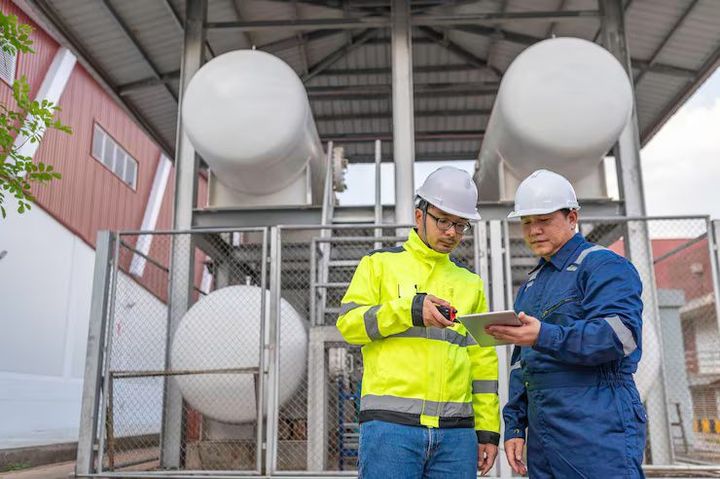
Storage tanks safely hold bulk LPG before it enters the filling process.
These tanks are designed according to engineering standards and incorporate safety features such as pressure monitoring and protective systems.
Cylinder Filling Equipment
The filling section measures and transfers LPG into approved cylinders with high accuracy.
Modern LPG plant equipment often includes automated filling stations that improve consistency while supporting efficient production.
Conveying Systems
Many facilities use conveyor systems to move cylinders through inspection, filling, testing, and storage areas.
Automated handling reduces manual movement and supports smoother workflow.
Inspection Stations
Inspection areas help verify that cylinders meet operational requirements before and after filling.
These inspections contribute to quality control throughout the filling process.
Control Systems
Digital monitoring systems supervise equipment performance, filling operations, pressure conditions, and production activities across the facility.
Understanding LPG Plant Equipment
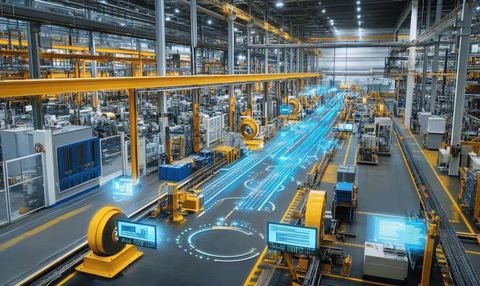
Modern LPG plant equipment includes numerous mechanical, electrical, and automated systems that work together throughout the operation.
Common equipment includes:
- Storage vessels
- Filling machines
- Cylinder conveyors
- Compressors
- Pumps
- Vapor handling equipment
- Control panels
- Monitoring systems
- Weighing equipment
- Leak detection systems
Each component contributes to maintaining efficient plant operations while supporting established safety procedures.
LPG Storage Systems and Their Role
LPG storage systems are among the most critical parts of any filling plant.
Their primary functions include:
- Safe storage of bulk LPG
- Pressure management
- Controlled product transfer
- Supply continuity
- Inventory management
Proper storage design considers factors such as tank capacity, pressure control, environmental conditions, and operational efficiency.
Storage systems are continuously monitored to help maintain stable operating conditions throughout the facility.
Automation in Modern LPG Filling Plants
Automation has become increasingly important in industrial gas equipment.
Many modern LPG filling plants incorporate automated technologies that improve operational consistency and production efficiency.
Examples include:
- Automated filling controls
- Digital weighing systems
- Electronic production monitoring
- Barcode cylinder tracking
- Inventory management software
- Remote equipment monitoring
- Automated reporting
Automation also supports data collection that assists with maintenance planning and operational analysis.
Comparing Major Plant Systems
| Plant System | Primary Function | Operational Benefit |
|---|---|---|
| LPG Storage Systems | Store bulk LPG safely | Continuous plant supply |
| Filling Equipment | Fill cylinders accurately | Consistent production |
| Conveyors | Transport cylinders | Improved workflow |
| Inspection Systems | Verify cylinder condition | Quality assurance |
| Control Systems | Monitor plant operations | Efficient supervision |
Each system contributes to the overall performance and reliability of the LPG cylinder filling plant.
Safety Considerations in LPG Filling Plants
Safety is one of the most important aspects of LPG handling.
Modern facilities are designed with multiple engineering controls and operational procedures that help reduce risk during storage and filling operations.
Common safety measures include:
- Pressure monitoring
- Emergency shutdown systems
- Gas detection equipment
- Fire protection systems
- Controlled access areas
- Equipment inspections
- Operator training
- Preventive maintenance
Safety practices are integrated throughout the entire facility rather than limited to individual equipment.
Environmental Considerations
Many LPG filling plants also focus on environmental responsibility.
Modern operational practices may include:
- Vapor recovery systems
- Leak prevention programs
- Efficient energy management
- Responsible waste handling
- Equipment maintenance to minimize emissions
- Environmental monitoring
These measures support responsible industrial operations while maintaining plant efficiency.
Maintenance of Industrial Gas Equipment
Regular maintenance helps ensure reliable operation throughout the facility.
Maintenance activities commonly include:
- Equipment inspections
- Calibration of weighing systems
- Valve inspections
- Pump servicing
- Conveyor maintenance
- Instrument testing
- Electrical system checks
- Preventive replacement of worn components
Predictive maintenance technologies are becoming increasingly common as facilities adopt digital monitoring systems.
Emerging Technologies in LPG Filling Plants
Industrial automation continues to shape the future of LPG cylinder filling plants.
Emerging developments include:
- Artificial intelligence-assisted monitoring
- Internet of Things (IoT) sensors
- Predictive maintenance software
- Digital twins for plant simulation
- Advanced inventory management
- Automated reporting systems
- Enhanced production analytics
- Smart safety monitoring
These technologies help improve operational visibility while supporting more efficient plant management.
Challenges in LPG Plant Operations
Despite technological advances, LPG filling plants continue to face operational challenges.
Some common considerations include:
Equipment Reliability
Continuous operation requires dependable industrial gas equipment capable of handling demanding production schedules.
Regulatory Compliance
Facilities must operate according to applicable engineering standards and safety regulations.
Workforce Training
Operators require ongoing education to understand equipment, procedures, emergency response, and quality practices.
Maintenance Scheduling
Balancing preventive maintenance with production requirements remains an important operational objective.
Technology Integration
As automation expands, integrating new digital systems with existing equipment requires careful planning.
The Future of LPG Filling Plants
Growing industrial automation is expected to further improve efficiency across LPG filling operations.
Future plants will likely emphasize:
- Greater process automation
- Improved digital monitoring
- Smarter inventory tracking
- Enhanced equipment diagnostics
- Increased energy efficiency
- Better predictive maintenance
- Improved operational data analysis
These developments support safer and more efficient cylinder filling while helping facilities adapt to changing industry requirements.
Frequently Asked Questions
What is an LPG filling plant?
An LPG filling plant is an industrial facility where bulk liquefied petroleum gas is stored, cylinders are inspected and filled, and completed cylinders are prepared for safe distribution.
What equipment is commonly found in an LPG cylinder filling plant?
Typical LPG plant equipment includes storage tanks, filling machines, conveyors, compressors, pumps, weighing systems, leak detection equipment, and automated control systems.
Why are LPG storage systems important?
LPG storage systems safely hold bulk LPG, maintain stable operating conditions, support continuous production, and help ensure efficient cylinder filling operations.
How does automation improve LPG filling plants?
Automation improves filling accuracy, production efficiency, inventory management, equipment monitoring, maintenance planning, and operational consistency.
Why is maintenance important for industrial gas equipment?
Regular maintenance helps improve equipment reliability, supports operational efficiency, reduces unexpected downtime, and contributes to safe plant operation.
Conclusion
LPG filling plants play a vital role in ensuring that liquefied petroleum gas is stored, handled, and transferred into cylinders through carefully managed industrial processes. By combining advanced LPG plant equipment, reliable LPG storage systems, automated technologies, and comprehensive safety practices, these facilities support efficient cylinder filling while maintaining consistent operational standards.
As industrial automation, digital monitoring, and predictive maintenance continue to advance, the modern LPG cylinder filling plant is becoming increasingly efficient, data-driven, and technologically sophisticated. Understanding how these systems work provides valuable insight into the engineering and operational processes that support one of the world's most widely used energy distribution networks.