Sightseeing Elevator Insights: Exploring Structure, Operation, and Safety Features
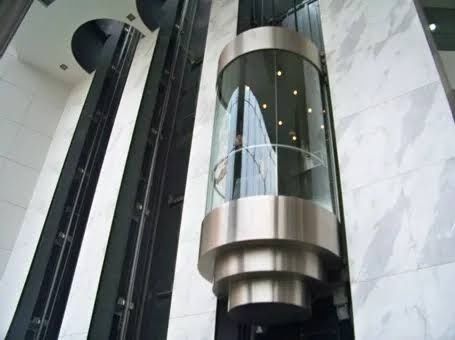
A sightseeing elevator is a passenger lift designed with transparent walls or viewing panels that allow people to observe.
The surrounding environment while moving between floors. Also known as a panoramic elevator or observation elevator, this type of lift is commonly found in hotels, shopping centres, office buildings, transport hubs, towers, and public attractions.
The concept developed from conventional passenger lifts as architects began integrating vertical transportation into building design. A glass sightseeing elevator may travel inside an atrium or along an exterior building wall. Depending on the location, a panoramic glass elevator can provide views of interior architecture, city landscapes, natural scenery, or public spaces.
Main Structural Elements
A sightseeing elevator system generally combines standard lift mechanisms with transparent architectural materials. Common elements include:
- A passenger cabin with laminated or safety glazing
- Guide rails that control vertical movement
- A traction or hydraulic drive arrangement
- Landing and cabin doors with safety interlocks
- Braking, communication, and emergency systems
- A supporting shaft or structural frame
A commercial panoramic elevator may use partial glazing or an almost fully transparent cabin. A custom panoramic elevator can also be shaped to match curved, angular, or open architectural spaces, provided the structure meets applicable safety requirements.
Importance
Sightseeing elevators combine transportation, accessibility, and visual experience. In large public buildings, they can help passengers understand the layout of different floors while providing a more open feeling than a fully enclosed cabin.
An outdoor sightseeing elevator can also connect areas with major differences in height, such as hillside attractions, observation structures, and multi-level public spaces. In tall buildings, a high rise panoramic elevator may move passengers through long vertical distances while maintaining views through protected glazing.
Safety and Passenger Experience
Transparent construction creates additional design considerations. Glass panels must be selected for strength, impact resistance, and safe behaviour if damaged. The supporting frame must also account for vibration, movement, wind exposure, and environmental conditions where applicable.
| Feature | Main Purpose |
|---|---|
| Safety glazing | Reduces hazards associated with damaged glass |
| Door interlocks | Prevents movement when doors are not properly secured |
| Overspeed protection | Activates protective measures during abnormal movement |
| Emergency communication | Connects passengers with building personnel |
| Backup power functions | Supports selected safety operations during power interruption |
| Load monitoring | Helps prevent operation beyond rated capacity |
A high capacity sightseeing elevator requires careful planning because greater passenger loads affect cabin dimensions, structural forces, traffic flow, and evacuation arrangements.
Recent Updates
From 2024 to 2026, the general trend in panoramic lift design has focused on smarter controls, energy management, digital monitoring, and stronger integration with modern building systems. A smart panoramic elevator system may use sensors to track operating conditions, door movement, passenger demand, and equipment performance.
Another trend is increased use of low-profile mechanical arrangements that reduce the visual impact of lift equipment. This is particularly relevant to a luxury glass elevator or scenic elevator system where architectural visibility is an important part of the design.
Modern glass materials are also becoming more varied. Designers may use tinted, laminated, curved, or treated glazing depending on heat exposure, privacy needs, structural requirements, and visual goals. Outdoor systems increasingly require careful consideration of weather protection, drainage, temperature changes, and wind conditions.
Laws or Policies
In India, lift design and operation are influenced by Indian Standards, the National Building Code, and state-level lift laws and rules. The Bureau of Indian Standards develops technical standards covering safety requirements for passenger and goods lifts, while local authorities may regulate approval, inspection, operation, and periodic examination.
A commercial glass elevator or observation lift system may also need to comply with building, electrical, fire safety, accessibility, and structural requirements. Requirements can vary between states and local jurisdictions, so the applicable legal framework depends partly on where the building is located.
For a panoramic structure, glazing and supporting components must also be considered as part of the overall building design. Safety planning generally covers passenger protection, emergency communication, door operation, electrical systems, structural stability, and access for inspection.
Tools and Resources
Several resources can help building owners, designers, and general readers understand sightseeing lift planning:
- Bureau of Indian Standards documents for lift safety requirements
- National Building Code guidance for building and vertical transportation planning
- Building information modelling platforms for spatial coordination
- Lift traffic analysis tools for estimating passenger movement
- Load and structural calculation tools used by qualified professionals
- Inspection checklists for doors, controls, communication equipment, and safety devices
Digital building models can be especially useful for a glass elevator installation because the shaft, cabin, structural frame, glazing, and nearby building elements must fit within the same coordinated space.
FAQs
What is the difference between a sightseeing elevator and a normal passenger lift?
A sightseeing elevator includes transparent viewing areas that allow passengers to see outside the cabin. A conventional passenger lift usually has enclosed walls and focuses mainly on vertical transportation.
How does a panoramic elevator operate?
A panoramic elevator generally uses traction or hydraulic technology similar to other passenger lifts. The main difference is the transparent cabin design and the structural arrangement needed to support glazing and viewing areas.
Is a glass sightseeing elevator safe?
A glass sightseeing elevator can incorporate safety glazing, door interlocks, braking systems, load monitoring, emergency communication, and other protective features. Safety depends on proper design, installation, inspection, and ongoing maintenance.
Can an outdoor sightseeing elevator operate in different weather conditions?
An outdoor sightseeing elevator can be designed for external environments, but factors such as wind, rain, temperature variation, drainage, corrosion, and glass exposure must be considered during planning.
What is a commercial glass elevator used for?
A commercial glass elevator is commonly used in hotels, shopping centres, office buildings, public attractions, and other multi-level properties where vertical movement and visual openness are both important.
Conclusion
A sightseeing elevator combines vertical transportation with transparent architectural design. Its structure may include safety glazing, mechanical drive equipment, control systems, and multiple passenger protection features. Modern developments increasingly involve digital monitoring, smarter controls, and closer integration with building systems. Regulations, structural planning, and regular inspection remain important parts of safe operation.