Plywood Manufacturing Guide: Understanding Materials, Processes, and Production Methods
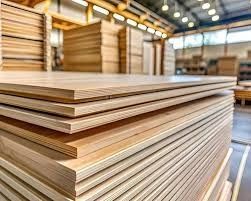
Plywood manufacturing is the process of turning thin layers of wood, known as veneers, into strong and stable panels.
These layers are arranged so that the wood grain of each sheet runs in a different direction from the layer beside it. Adhesive, pressure, and heat are then used to form a finished panel.
A plywood manufacturing plant usually combines several stages, from preparing logs to cutting and finishing panels. Modern facilities may use a plywood manufacturing machine at each production stage or connect several machines into a coordinated plywood production line.
Main Materials and Production Stages
The main raw material is wood from suitable tree species. Logs are prepared, softened when necessary, and processed by a veneer peeling machine. The resulting thin sheets are dried, graded, coated with adhesive, arranged in layers, and pressed.
| Production Stage | Main Purpose | Common Equipment |
|---|---|---|
| Log preparation | Prepare wood for peeling | Log handling equipment |
| Veneer peeling | Create thin wood sheets | Veneer peeling machine |
| Veneer drying | Reduce moisture | Veneer drying equipment |
| Layer assembly | Arrange and bond veneers | Plywood lamination machine |
| Hot pressing | Apply heat and pressure | Plywood hot press machine |
| Finishing | Trim and prepare panels | Cutting and sanding machinery |
Different types of plywood production equipment may be selected according to panel size, wood species, production volume, and the level of automation required.
Importance
Plywood is widely used in buildings, furniture, packaging, transport interiors, and many everyday products. Its layered structure can provide dimensional stability and efficient use of wood compared with relying only on thick solid boards.
Industrial plywood machinery helps manufacturers maintain consistent panel dimensions, moisture levels, pressure, and production flow. A high capacity plywood production plant may process large quantities of raw material through connected production stages, while smaller facilities may use separate machines.
Production Challenges
Plywood production involves several practical challenges. Veneer thickness must remain reasonably consistent, moisture needs careful control, and adhesive must be distributed evenly. Incorrect pressing conditions can affect bonding and panel stability.
An automated wood panel production system can help coordinate material movement and machine settings. However, automation still depends on suitable raw materials, equipment maintenance, process monitoring, and trained operators.
Recent Updates
Current development in plywood manufacturing is focused on automation, energy efficiency, material tracking, and more accurate process control. Manufacturers are increasingly connecting sensors and digital controls with industrial plywood machinery to monitor temperature, pressure, moisture, and production speed.
Automation and Process Monitoring
An automatic plywood manufacturing machine can reduce repeated manual handling in selected stages. Modern plywood production lines may include automated veneer feeding, moisture measurement, adhesive application, panel stacking, and press controls.
Other current trends include improved veneer drying equipment, data-based maintenance planning, and systems designed to reduce unnecessary wood loss. Custom plywood manufacturing equipment is also used where factories need machinery suited to particular panel dimensions, wood types, or production layouts.
Laws or Policies
Plywood manufacturing is shaped by environmental, workplace, product-quality, and industrial rules. In India, manufacturing facilities may need to follow applicable requirements related to pollution control, factory safety, electrical systems, fire protection, waste handling, and emissions.
Product and Environmental Requirements
Indian Standards may apply to different plywood categories and intended uses. Manufacturers need to understand the relevant quality requirements for factors such as dimensions, bonding, moisture, and performance.
A complete plywood manufacturing plant may also be affected by state and local requirements concerning industrial operations and environmental management. Rules can vary according to plant size, location, production methods, and materials used. Regulatory requirements should therefore be checked through the appropriate government and standards authorities.
Tools and Resources
Several practical resources can support planning and understanding of plywood production. Process flow diagrams help show how logs move through peeling, drying, assembly, pressing, and finishing stages.
Useful resources include:
- Moisture meters for checking veneer and wood moisture levels
- Production planning spreadsheets for tracking materials and output
- Maintenance schedules for plywood production equipment
- Quality inspection checklists for panels and veneers
- Layout planning software for arranging a plywood manufacturing plant
- Technical standards databases for reviewing applicable product requirements
Equipment manuals are also important for understanding operating limits, maintenance intervals, and safety procedures for a plywood hot press machine, veneer peeling machine, and other machinery.
FAQs
What is the basic process of plywood manufacturing?
Plywood manufacturing generally includes log preparation, veneer peeling, drying, grading, adhesive application, layer assembly, hot pressing, trimming, sanding, and inspection.
What equipment is used in a plywood manufacturing plant?
Common equipment includes a veneer peeling machine, veneer drying equipment, adhesive application machinery, a plywood lamination machine, a plywood hot press machine, trimming equipment, and sanding machinery.
What is an automatic plywood manufacturing machine?
An automatic plywood manufacturing machine uses programmed controls and mechanical systems to perform or coordinate selected production tasks with reduced manual handling.
How does a plywood production line work?
A plywood production line connects multiple production stages so materials can move through veneer preparation, drying, assembly, pressing, and finishing in an organized sequence.
What is custom plywood manufacturing equipment?
Custom plywood manufacturing equipment is machinery configured for particular production requirements, such as specific panel dimensions, wood materials, factory layouts, or processing capacities.
Conclusion
Plywood manufacturing combines wood preparation, veneer processing, drying, bonding, pressing, and finishing into a structured production process. Modern plants increasingly use automation and digital monitoring to improve process control and material coordination. Understanding the role of each machine, production stage, and applicable rule provides a clear foundation for learning how plywood panels are produced.