Industrial Automation Engineering: Complete Guide to Basics, Applications, Benefits, Technologies & Expert Insights
Industrial Automation Engineering is the discipline of designing, implementing, operating, and improving automated industrial processes using advanced hardware and software technologies.
Modern industries rely on Industrial Automation Systems to improve production consistency, workplace safety, operational efficiency, and data-driven decision-making. As manufacturing continues to evolve through digital transformation, automation technologies have become essential across sectors including automotive, food processing, pharmaceuticals, chemicals, energy, electronics, logistics, and consumer goods.
Industrial Automation Solutions combine programmable controllers, Industrial Control Systems, sensors, robotics, communication networks, and software platforms to automate repetitive or complex production activities. From simple machine control to fully connected smart factories, automation enables manufacturers to monitor equipment, optimize production, reduce downtime, and maintain consistent quality standards.
Understanding Industrial Automation Engineering
Industrial Automation Engineering focuses on replacing or assisting manual operations with intelligent control systems. Engineers develop automated production environments that communicate continuously through digital networks while collecting operational data for analysis.
The primary objective is to create efficient manufacturing environments where machines, software, and operators work together safely and accurately.
Common components include:
- PLC Automation controllers
- SCADA System Integration platforms
- Human Machine Interface (HMI) software
- Industrial sensors and actuators
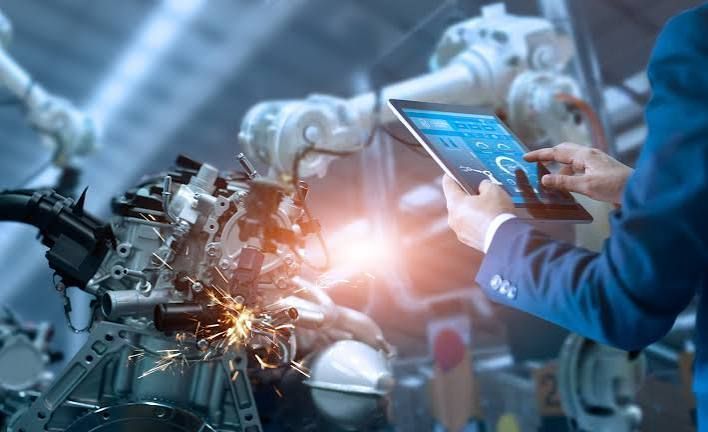
- Industrial Robotics
- Motion Control Systems
- Servo Motor Automation
- Electrical Control Panel assemblies
- Manufacturing Execution System (MES)
- Industrial communication protocols
- Variable Frequency Drives (VFDs)
- Industrial Internet of Things (IIoT) devices
| Automation Component | Primary Function | Common Applications |
|---|---|---|
| PLC Automation | Machine control | Assembly lines, packaging |
| SCADA System Integration | Process monitoring | Utilities, manufacturing plants |
| Industrial Robotics | Automated movement | Welding, material handling |
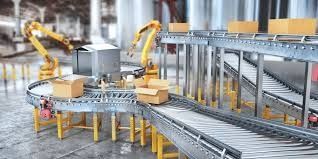
| Motion Control Systems | Precision positioning | CNC machines, conveyors |
| Servo Motor Automation | Accurate motion control | Robotics, packaging |
| Manufacturing Execution System | Production management | Factory operations |
| Industrial Control Systems | Plant-wide automation | Process industries |
| Electrical Control Panel | Equipment control | Industrial machinery |
Types of Industrial Automation Systems
Industrial Automation Systems are generally categorized according to production flexibility and operational requirements.
Fixed Automation
Designed for high-volume production with repetitive tasks. Automotive manufacturing is a common example.
Programmable Automation
Production equipment can be reprogrammed to manufacture different products with moderate flexibility.
Flexible Automation
Machines automatically adapt to different production requirements with minimal interruption.
Integrated Automation
Multiple automation technologies work together through centralized software and connected Industrial Control Systems to support smart manufacturing.
Applications Across Industries
Industrial Automation Engineering supports numerous sectors where precision, productivity, and quality are important.
Major application areas include:
- Automotive manufacturing
- Pharmaceutical production
- Food and beverage processing
- Chemical manufacturing
- Oil and gas facilities
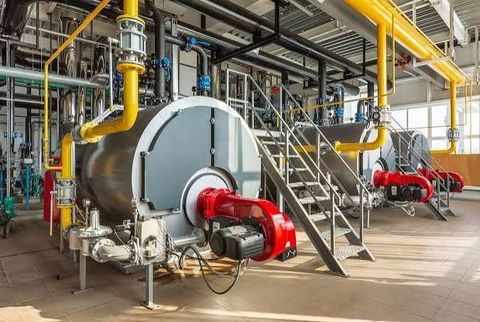
- Power generation
- Water treatment plants
- Textile manufacturing
- Electronics assembly
- Packaging industries
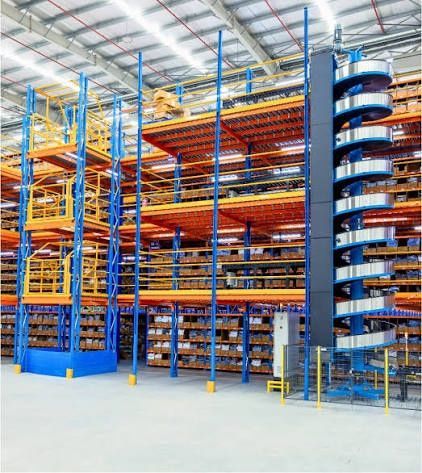
- Warehouse automation
- Semiconductor manufacturing
Manufacturing Automation also supports predictive maintenance, digital quality control, production scheduling, inventory visibility, and energy optimization.
Why Industrial Automation Engineering Matters
Automation has become increasingly important as manufacturers seek greater productivity while addressing changing market demands.
Key benefits include:
- Improved production accuracy
- Higher operational efficiency
- Reduced manual errors
- Better workplace safety
- Consistent product quality
- Real-time production monitoring
- Faster decision-making through operational data
- Reduced machine downtime
- Improved regulatory compliance
- Enhanced resource utilization
Industrial Automation Solutions also help organizations respond more effectively to supply chain disruptions, labor shortages, and increasing customer expectations for product consistency.
How Industrial Automation Technologies Work Together
Modern automation relies on several interconnected technologies rather than individual machines.
The typical workflow includes:
- Sensors collect production information.
- PLC Automation processes control logic.
- Industrial Control Systems coordinate machine operations.
- SCADA System Integration displays live production data.
- Manufacturing Execution System manages production scheduling and reporting.
- Industrial Robotics perform repetitive manufacturing tasks.
- Motion Control Systems synchronize precise equipment movement.
- Servo Motor Automation delivers accurate positioning and speed control.
- Electrical Control Panel components distribute power and control signals.
Together, these technologies create connected production environments capable of continuous monitoring and optimization.
Emerging Technologies Transforming Industrial Automation
Industrial Automation Engineering continues to evolve through digital innovation.
Important technologies include:
- Artificial Intelligence for predictive analytics
- Machine Learning for quality improvement
- Digital Twins for virtual production simulation
- Industrial Internet of Things (IIoT)
- Cloud manufacturing platforms
- Edge computing
- Industrial cybersecurity
- Collaborative robots (Cobots)
- Vision inspection systems
- Advanced analytics dashboards
These technologies help manufacturers make faster operational decisions while improving equipment reliability and production efficiency.
Recent Industry Developments
During 2025 and early 2026, several developments continued shaping Industrial Automation Engineering worldwide.
Notable trends include:
- Wider adoption of AI-assisted predictive maintenance across manufacturing facilities.
- Increased deployment of collaborative robots for flexible production environments.
- Greater investment in Industrial Internet of Things (IIoT) platforms for real-time monitoring.
- Expansion of cloud-connected Manufacturing Execution System platforms.
- Continued growth of industrial cybersecurity initiatives to protect connected Industrial Control Systems.
- Broader implementation of digital twin technology for production planning and equipment optimization.
- Increased focus on sustainable manufacturing through energy monitoring and intelligent automation.
Industry analysts have also reported continued investment in smart factory modernization as manufacturers prioritize digital transformation and operational resilience.
Government Policies and Industry Standards
Industrial Automation Engineering operates within technical standards, safety regulations, and government-supported industrial modernization initiatives.
Examples include:
- Occupational safety regulations governing industrial machinery and workplace protection.
- Electrical safety standards for Electrical Control Panel design and installation.
- Industrial cybersecurity guidance for connected Industrial Control Systems.
- Environmental regulations encouraging efficient manufacturing and energy management.
- International standards such as IEC 61131 for PLC programming and IEC 62443 for industrial cybersecurity.
- Quality management frameworks including ISO 9001.
- Functional safety standards such as IEC 61508 and ISO 13849.
- Government programs supporting Industry 4.0, digital manufacturing, advanced manufacturing research, and smart factory development in several countries.
Organizations implementing automation typically align their systems with applicable national regulations and internationally recognized engineering standards.
Helpful Tools and Learning Resources
Many educational resources help students, engineers, and industry professionals understand Industrial Automation Engineering.
Useful software and platforms include:
- PLC programming software
- SCADA development platforms
- Industrial HMI design software
- CAD software for Electrical Control Panel design
- Digital Twin simulation software
- Manufacturing Execution System dashboards
- Industrial network diagnostic tools
- Industrial cybersecurity assessment platforms
- Motion Control Systems configuration software
- Robotics simulation environments
Helpful educational resources include:
- Engineering documentation libraries
- Technical standards organizations
- Industrial automation training portals
- University engineering courses
- Professional engineering associations
- Equipment manufacturer documentation
- Technical webinars
- Industrial technology journals
The diagram illustrates how production information flows from factory equipment through multiple automation layers before supporting operational analysis and management decisions.
Frequently Asked Questions
What is Industrial Automation Engineering?
Industrial Automation Engineering is the engineering discipline that develops automated manufacturing and industrial processes using control systems, robotics, sensors, software, and communication technologies.
What is the difference between PLC Automation and SCADA System Integration?
PLC Automation controls machines by executing programmed logic in real time. SCADA System Integration supervises multiple PLCs, displays operational information, stores production data, and allows operators to monitor industrial processes.
Where are Industrial Robotics commonly used?
Industrial Robotics are widely used in automotive production, electronics manufacturing, packaging, material handling, welding, painting, inspection, and assembly operations.
What is a Manufacturing Execution System?
A Manufacturing Execution System (MES) manages production activities between enterprise planning software and factory equipment. It tracks production performance, scheduling, quality, inventory, and manufacturing data.
Why are Motion Control Systems important?
Motion Control Systems coordinate precise machine movement by controlling motors, positioning devices, speed, acceleration, and synchronization. They are essential for robotics, CNC machinery, conveyors, and precision manufacturing.
Conclusion
Industrial Automation Engineering has become one of the most significant areas of modern manufacturing and industrial technology. By integrating Industrial Automation Systems, PLC Automation, SCADA System Integration, Industrial Control Systems, Industrial Robotics, Motion Control Systems, Servo Motor Automation, Manufacturing Execution System platforms, Factory Automation Solutions, and Electrical Control Panel technologies, organizations can create safer, more efficient, and highly connected production environments.
As digital transformation continues through Artificial Intelligence, Industrial Internet of Things, cloud computing, digital twins, and advanced analytics, Industrial Automation Engineering will remain central to the evolution of smart manufacturing. Understanding these technologies helps students, engineers, business leaders, and industry professionals better appreciate how automation supports productivity, quality, operational visibility, and long-term industrial innovation.