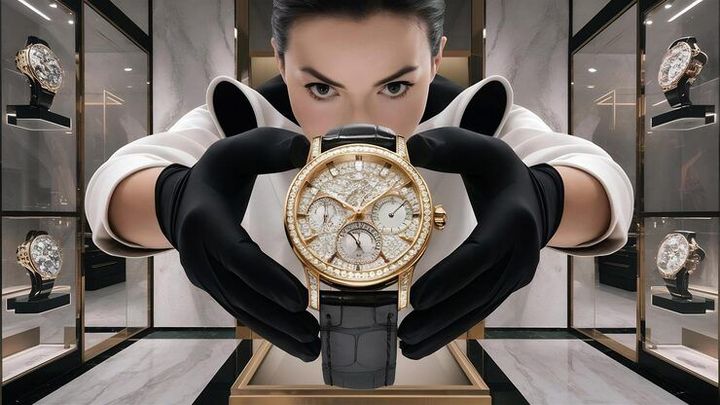
Personalized Watch Design Guide to Creating Unique Timepieces That Reflect Your Style
A watch has long been more than a tool for telling time. It often represents personal taste, craftsmanship, memories, and individual expression.
As consumers increasingly seek products that feel unique, personalized watch design has become a popular approach to creating timepieces that reflect personal style while celebrating important milestones, achievements, or meaningful relationships. From subtle engraving to carefully selected materials and custom dials, personalized design transforms a standard watch into something distinctly individual.
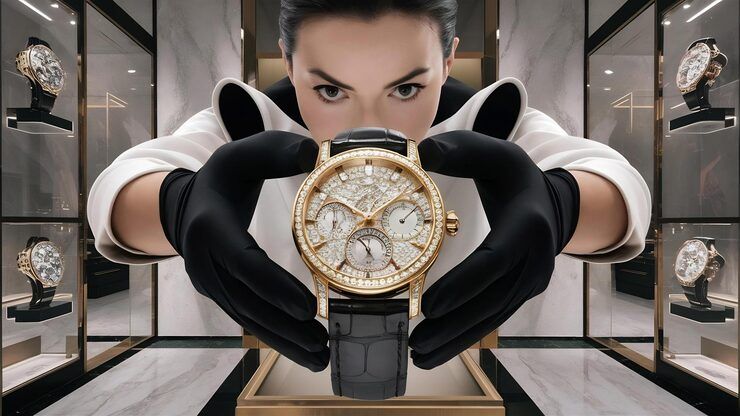
Modern manufacturing techniques, digital design tools, and precision craftsmanship have expanded customization possibilities across both luxury and everyday watches. Whether someone appreciates minimalist elegance, vintage-inspired aesthetics, or contemporary styling, personalization allows numerous design elements to work together in a cohesive way. This personalized watch design guide explores the principles of watch customization, key design components, material options, craftsmanship, practical considerations, and future trends shaping custom timepieces.
This article explains personalized watch design fundamentals, customization options, watch components, movement choices, design considerations, and emerging innovations in modern watchmaking.
What Is Personalized Watch Design?
Personalized watch design refers to the process of customizing various elements of a watch to create a unique appearance that reflects an individual's preferences, personality, or special occasion.
Customization may involve selecting case materials, dial colors, hands, straps, engravings, finishes, movement styles, and other design features that contribute to a distinctive final product.
Rather than changing only one visual element, personalized watch design often focuses on creating harmony between aesthetics, functionality, and craftsmanship.
The result is a timepiece that carries greater personal significance while maintaining reliable performance.
Key Elements of Personalized Watch Design
Several components contribute to the overall appearance of a personalized watch.
Watch Case
The case defines the overall character of the watch. Materials such as stainless steel, titanium, ceramic, bronze, or precious metals each provide a distinctive visual identity and wearing experience.
Dial Design
The dial serves as the visual centerpiece of the watch. Choices involving colors, textures, markers, numerals, and finishes significantly influence the overall style.
Watch Hands
Hand shapes, finishes, and colors contribute to readability while complementing the design language of the dial.
Strap or Bracelet
Leather straps, metal bracelets, rubber straps, and fabric bands each create different aesthetics while influencing comfort and versatility.
Crystal
Sapphire crystal, mineral glass, or acrylic each offer different characteristics regarding clarity, durability, and appearance.
Understanding Watch Movements
The movement is the mechanical heart of every watch.
Mechanical movements operate through intricate gear systems powered by a mainspring, showcasing traditional horological craftsmanship.
Automatic movements build upon mechanical principles while winding themselves through wrist movement during regular wear.
Quartz movements use battery-powered electronic oscillation to provide highly accurate timekeeping with relatively simple maintenance.
The movement selected often reflects both personal preference and intended use.
Materials and Finishes
Material selection influences durability, comfort, and visual appeal.
Stainless steel remains popular because of its balance of strength, corrosion resistance, and timeless appearance.
Titanium provides excellent strength while remaining lightweight.
Ceramic offers scratch resistance and a modern aesthetic.
Leather straps create a classic appearance, while rubber straps emphasize sport-oriented functionality.
Brushed, polished, satin, matte, and textured finishes further personalize the character of the watch.
Thoughtful material combinations help create a balanced overall design.
Personalization Options
Modern watch customization extends well beyond selecting colors.
Engraving initials, meaningful dates, inspirational messages, or commemorative text adds sentimental value.
Custom dial artwork, personalized case backs, unique strap combinations, and individually selected hands contribute to originality.
Some personalized watch designs also incorporate family crests, company logos, or artistic motifs for special occasions.
These details create watches that often become lasting keepsakes or memorable gifts.
Craftsmanship and Attention to Detail
High-quality craftsmanship is essential regardless of design style.
Precision machining ensures accurate case dimensions and proper component alignment.
Careful assembly supports reliable movement performance and long-term durability.
Finishing techniques, including polishing, brushing, and hand detailing, contribute to visual refinement.
Quality control helps ensure that personalized design elements integrate seamlessly with the overall construction of the watch.
Attention to these details distinguishes thoughtfully crafted personalized watches.
Decision Guide: Choosing a Personalized Watch Design
Selecting the best personalized watch design depends on personal style, intended use, movement preference, material selection, case size, dial readability, engraving options, comfort, and long-term versatility.
Individuals seeking formal elegance may prefer understated dials with leather straps and polished cases, while everyday wear often benefits from durable materials and versatile color combinations. Sport-oriented users may emphasize lightweight construction, water resistance, and practical strap materials.
A personalized watch design comparison generally evaluates movement type, case materials, dial customization, strap options, engraving possibilities, craftsmanship, comfort, and overall design harmony.
In many cases, balanced customization tends to create the most timeless results because every design element complements the others without overwhelming the overall appearance.
The real difference appears when personalization reflects meaningful preferences while preserving the watch's functionality, comfort, and enduring style.
Emerging Trends in Personalized Watch Design
Watch customization continues evolving alongside manufacturing innovation.
Digital design tools allow customers to visualize personalized configurations before production.
Laser engraving technologies provide increasingly precise customization options.
Sustainable materials and responsibly sourced components are becoming more common in modern watchmaking.
Interchangeable straps and modular design elements offer greater flexibility for changing styles over time.
Advances in precision manufacturing continue expanding personalization possibilities while maintaining high standards of craftsmanship and quality.
These developments continue shaping the future of personalized watches.
Frequently Asked Questions
1. What is personalized watch design?
Personalized watch design involves customizing various watch components to create a unique timepiece that reflects individual style or commemorates special occasions.
2. Which parts of a watch can be personalized?
Common customization options include the case, dial, hands, strap, engraving, finishes, and sometimes movement selection.
3. Why are watch materials important?
Materials influence durability, comfort, appearance, weight, and the overall character of the watch.
4. What is the difference between mechanical, automatic, and quartz movements?
Mechanical movements are manually wound, automatic movements wind through wrist motion, and quartz movements use battery-powered electronic timekeeping.
5. What should be considered when designing a personalized watch?
Style preferences, movement type, materials, comfort, engraving options, intended use, craftsmanship, and long-term versatility should all be evaluated.
Conclusion
Personalized watch design combines craftsmanship, thoughtful material selection, and creative customization to produce timepieces that express individual style while maintaining reliable functionality. Understanding watch components, movement options, materials, finishing techniques, and personalization possibilities helps enthusiasts create watches with lasting aesthetic and personal value. This comprehensive personalized watch design guide demonstrates how careful attention to detail transforms an ordinary watch into a meaningful and distinctive accessory. As customization technologies continue advancing, personalized watch design will remain an enduring expression of craftsmanship, creativity, and personal identity.