Wastewater Recycling Overview: Treatment Processes and Sustainable Water Reuse
Wastewater recycling is the process of treating used water so that it can be used again for suitable purposes.
Water from homes, commercial buildings, factories, and other facilities may contain suspended solids, organic matter, chemicals, nutrients, oils, microorganisms, and other contaminants. A wastewater treatment system uses physical, biological, and chemical methods to reduce these substances before water is discharged or reused.
A wastewater recycling system extends conventional treatment by preparing treated water for another use. Depending on water quality requirements, recycled water may support irrigation, cooling, cleaning, manufacturing processes, toilet flushing, or other non-drinking applications. More advanced treatment may be required when water must meet stricter quality standards.
How wastewater recycling developed
Traditional wastewater treatment mainly focused on protecting public health and reducing pollution in rivers, lakes, and coastal waters. As cities expanded and industries required larger amounts of water, interest in water reuse systems increased. Water scarcity, population growth, changing rainfall patterns, and pressure on freshwater sources have made recycling an important part of modern water management.
Industrial wastewater recycling has also developed because manufacturing activities can use significant amounts of water. An industrial water recycling system can treat process water and return part of it to production, cooling, washing, or utility applications. The exact treatment process depends on the contaminants present and the quality required for reuse.
Main stages of treatment
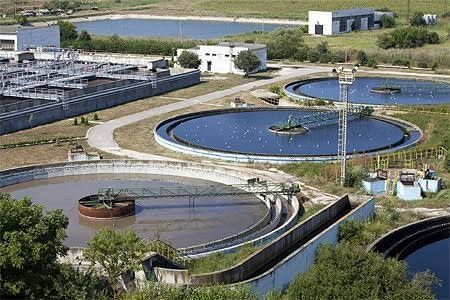
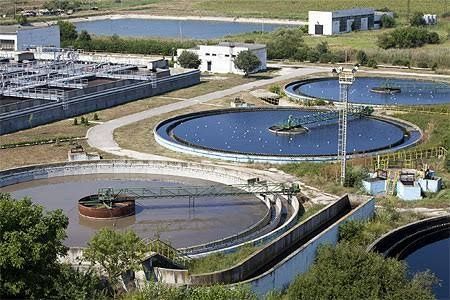
A typical wastewater treatment plant may use several stages. Not every facility uses the same arrangement, because wastewater characteristics vary widely.
- Preliminary treatment removes large materials, grit, and debris that could interfere with later equipment.
- Primary treatment allows heavier solids to settle while oils and floating materials are separated.
- Biological treatment uses microorganisms to break down biodegradable organic matter.
- Advanced treatment may remove fine particles, nutrients, dissolved salts, or specific contaminants.
- Disinfection reduces harmful microorganisms before discharge or reuse.
- Residual management handles sludge, concentrated contaminants, and other materials separated during treatment.
A water recycling plant may add filtration, membrane processes, advanced oxidation, or other treatment barriers according to the intended reuse application.
Why Wastewater Recycling Matters
Managing pressure on freshwater supplies
Freshwater is required for households, agriculture, energy production, public facilities, and industry. In regions facing water stress, relying entirely on rivers, reservoirs, or groundwater can place pressure on limited supplies. Wastewater recycling creates an additional water source by treating water that has already been used.
This does not mean recycled water is automatically suitable for every purpose. Water quality must match its intended application. A properly designed wastewater recovery system considers the source of the wastewater, treatment stages, monitoring requirements, and final use.
Supporting industrial water management
Industrial wastewater treatment can be complex because wastewater composition differs between sectors. Food processing, textiles, chemicals, metals, electronics, and other industries may produce water containing different types of pollutants.
Industrial water reuse technology can help facilities manage water more systematically. Depending on the process, treated water may be reused for cooling towers, equipment washing, process operations, or utility systems. Industrial wastewater recycling can also reduce the amount of freshwater required for certain activities and lower the volume of treated effluent released into the environment.
Protecting communities and ecosystems
Untreated or poorly treated wastewater can affect rivers, groundwater, soil, and aquatic ecosystems. Effective treatment helps control pollutants before water returns to the environment or enters a reuse cycle.
Wastewater recycling can also affect everyday life indirectly. Communities depend on reliable water supplies for sanitation, food production, public infrastructure, and economic activity. Water reuse can form one part of a broader approach that includes conservation, efficient infrastructure, pollution prevention, and responsible water planning.
Comparing common treatment technologies
| Treatment method | Main purpose | Common application |
|---|---|---|
| Screening and sedimentation | Remove large and settleable solids | Early treatment stages |
| Biological treatment | Reduce biodegradable organic matter | Municipal and industrial treatment |
| Sand or media filtration | Remove remaining suspended particles | Water polishing |
| Membrane filtration | Separate fine particles and selected dissolved substances | Advanced reuse applications |
| Reverse osmosis | Reduce dissolved salts and many contaminants | High-quality process water |
| Disinfection | Control microorganisms | Final treatment before reuse |
| Evaporation and concentration | Reduce liquid discharge volume | Selected industrial applications |
The appropriate combination depends on wastewater composition, reuse goals, local rules, available space, energy needs, and operational conditions.
Current Developments in Water Reuse
Greater use of membrane treatment
Membrane wastewater treatment continues to play an important role in advanced water recycling. Technologies such as microfiltration, ultrafiltration, nanofiltration, and reverse osmosis can separate contaminants at different scales.
Modern systems increasingly combine biological treatment with membranes. This approach can produce consistent treated water while using a relatively compact treatment area. However, membrane systems require monitoring because fouling, scaling, pressure changes, and concentrate management can affect performance.
Digital monitoring and automation
Wastewater recycling equipment is increasingly connected with sensors and automated control systems. Operators can monitor parameters such as flow, pressure, turbidity, conductivity, dissolved oxygen, pH, and water quality.
Digital monitoring can help identify unusual operating conditions and support more consistent treatment. Data analysis is also being used to understand energy consumption, membrane condition, chemical use, and equipment performance.
Growth of circular water management
A major current trend is the shift from treating wastewater only as a waste stream toward viewing it as a recoverable resource. An effluent recycling system can return treated water to suitable activities rather than sending all treated effluent directly to a discharge point.
Some facilities are also exploring the recovery of nutrients, energy, heat, and useful materials from wastewater. These approaches form part of broader circular resource management, where water and selected materials remain in use for longer periods.
Interest in zero liquid discharge
A zero liquid discharge system aims to recover a high proportion of water while leaving concentrated solids or residues for further management. Such systems may combine membranes, evaporators, crystallization, and other processes.
Zero liquid discharge is generally more complex than conventional treatment and may require substantial energy and careful residue handling. Its suitability depends on wastewater characteristics, regulatory requirements, site conditions, and operational objectives.
Rules and Policies Affecting Wastewater Recycling
Water quality and discharge requirements
Wastewater treatment and reuse are shaped by environmental rules, water quality standards, pollution control requirements, and local approvals. In India, national environmental legislation provides the broad framework for controlling water pollution, while central and state pollution control authorities play important roles in setting and enforcing requirements.
Facilities may need to meet specific discharge limits for parameters such as pH, suspended solids, organic pollution indicators, oil, nutrients, metals, or other substances. The exact requirements can vary according to the industry, location, discharge route, and intended reuse.
Reuse standards and local requirements
A commercial wastewater treatment system or industrial wastewater treatment facility may need to follow different requirements depending on how treated water will be used. Water intended for landscaping, cooling, industrial processes, or other applications may require different quality controls.
Local authorities can also establish conditions for wastewater management, groundwater protection, sewer connections, and treated-water reuse. Because requirements may change between jurisdictions, regulatory documents from the relevant authority are important sources of current information.
Environmental responsibility and monitoring
Compliance is not limited to installing wastewater recycling equipment. Treatment systems generally require routine monitoring, record keeping, sampling, maintenance, and proper handling of residual materials.
Industrial facilities may also be required to obtain environmental permissions or consents depending on their activities and location. These controls are intended to reduce pollution risks and establish measurable standards for wastewater management.
Tools and Resources for Understanding Water Recycling
Water quality monitoring tools
Water treatment depends on measurement. Common instruments include pH meters, conductivity meters, turbidity meters, flow meters, dissolved oxygen sensors, and laboratory testing equipment. These tools help operators understand incoming wastewater and evaluate treatment performance.
Online sensors can provide continuous readings for selected parameters. Laboratory analysis is still important when detailed testing is required for microorganisms, metals, nutrients, organic compounds, or other contaminants.
Planning and calculation resources
Several types of resources can support the planning and understanding of a wastewater recycling system:
- Water balance templates can map where water enters, moves through, and leaves a facility.
- Flow calculators can estimate daily or hourly wastewater volumes.
- Membrane sizing tools can support preliminary calculations for filtration systems.
- Water quality checklists can organize sampling parameters and monitoring records.
- Process flow diagrams can show how treatment stages connect.
- Government environmental portals can provide regulations, standards, guidance documents, and compliance information.
Engineering calculations for a wastewater treatment plant often consider flow variation, contaminant loads, retention time, filtration rates, membrane recovery, energy use, and residual generation.
Selecting treatment processes
There is no single treatment arrangement for every wastewater stream. A process suitable for domestic sewage may not be appropriate for wastewater containing high salt levels, oils, metals, or unusual industrial compounds.
Before a system is designed, wastewater is generally characterized through sampling and analysis. The intended reuse quality is then compared with the incoming water characteristics. This helps determine whether biological treatment, filtration, membranes, disinfection, evaporation, or a combination of methods may be appropriate.
Frequently Asked Questions
What is a wastewater recycling system?
A wastewater recycling system treats used water so it can be reused for an appropriate purpose. It may include physical separation, biological treatment, filtration, membrane processes, and disinfection depending on the wastewater source and reuse requirement.
How does industrial wastewater recycling work?
Industrial wastewater recycling begins with identifying contaminants and measuring wastewater flow. Treatment processes then remove or reduce unwanted substances so that part of the water can return to suitable industrial activities.
What is the difference between a wastewater treatment plant and a water recycling plant?
A wastewater treatment plant primarily treats wastewater to meet environmental or discharge requirements. A water recycling plant places additional emphasis on producing treated water that meets quality requirements for a defined reuse application.
What is membrane wastewater treatment?
Membrane wastewater treatment uses selective barriers to separate particles, microorganisms, and certain dissolved substances from water. Different membrane types are used according to the size and characteristics of the contaminants that need to be removed.
Can an industrial water recycling system eliminate all wastewater discharge?
Some facilities use a zero liquid discharge system to recover a large proportion of water and concentrate remaining materials. Complete liquid discharge reduction can be technically complex, and its practicality depends on wastewater composition, treatment design, energy requirements, and residue management.
Conclusion
Wastewater recycling combines treatment, monitoring, and reuse planning to keep suitable water in circulation for longer periods. Modern water reuse systems range from conventional biological treatment to advanced membranes and high-recovery industrial processes. Industrial water reuse technology is increasingly connected with digital monitoring, resource recovery, and circular water management. The appropriate approach depends on water quality, intended reuse, environmental requirements, and local conditions.