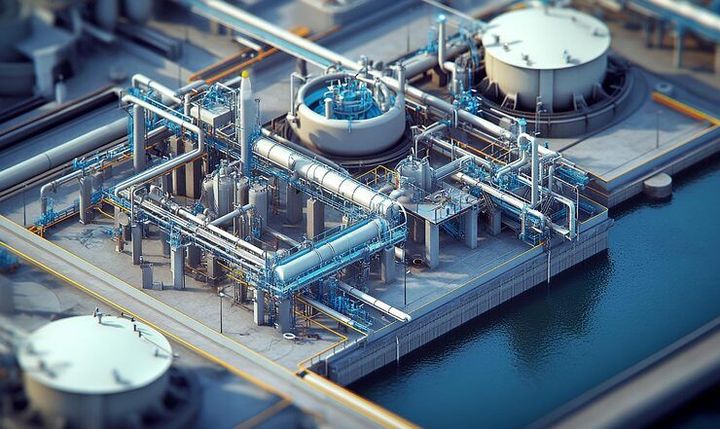
Learn the Basics of Wastewater Recycling and Its Importance for Sustainable Water Management
Water is one of the most valuable resources on Earth, supporting households, industries, agriculture, and ecosystems.
As populations grow and water demand increases, many regions face challenges related to water availability and long-term resource management. These concerns have encouraged governments, industries, and communities to explore more sustainable approaches to water use.
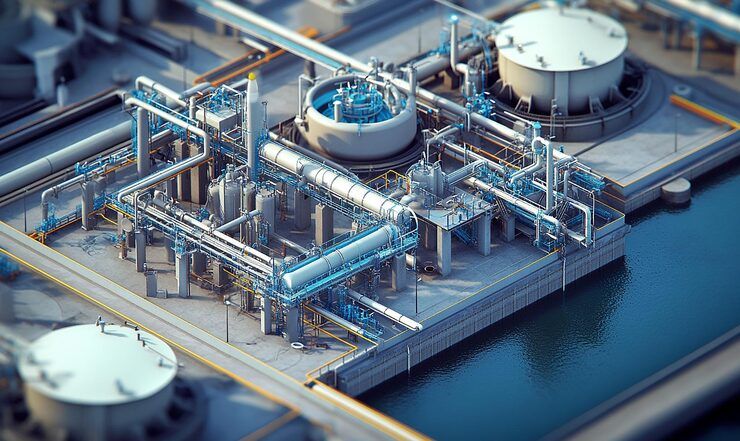
One solution receiving increasing attention is wastewater recycling. Instead of treating used water as waste, modern treatment systems can process and recover water for various beneficial applications. This approach helps reduce pressure on freshwater sources while supporting more efficient resource utilization.
What really matters is not simply treating wastewater before disposal. The greater value often comes from transforming used water into a reusable resource that can support environmental sustainability and long-term water security.
This guide explains the fundamentals of wastewater recycling, how the process works, its benefits and challenges, and its growing role in sustainable water management.
Understanding Wastewater Recycling
Wastewater recycling is the process of treating and reusing water that has already been used in homes, businesses, industries, or other facilities. Through various treatment methods, contaminants are removed so the water can be safely utilized for specific purposes.
Wastewater may originate from residential activities such as bathing, washing, and cleaning, as well as industrial operations and commercial facilities. Rather than being discharged and forgotten, this water can undergo treatment and become a valuable resource.
This matters because freshwater supplies are limited in many areas, while water demand continues to increase.
A practical example is a municipality that treats wastewater and reuses it for landscape irrigation, reducing dependence on freshwater sources.
Why Wastewater Recycling Is Important
Water conservation has become a global priority as climate variability, urbanization, and population growth place additional pressure on water resources.
Wastewater recycling helps address these challenges by creating an alternative water source that can support various activities without increasing freshwater extraction. It also contributes to environmental protection by reducing the volume of wastewater discharged into natural ecosystems.
The real difference appears when communities view wastewater as a recoverable resource rather than a disposable byproduct.
A real-world example is a water-stressed region using recycled water for agricultural irrigation, helping preserve local freshwater reserves.
How Wastewater Recycling Works
The wastewater recycling process involves multiple treatment stages designed to remove contaminants and improve water quality.
Initially, large debris and solid materials are removed through preliminary treatment. The water then moves through biological and chemical treatment processes that reduce pollutants and organic matter.
Advanced treatment technologies may be applied depending on the intended use of the recycled water. These systems can further improve water quality by removing fine particles, microorganisms, and other impurities.
This matters because different applications require different levels of treatment and water quality standards.
A practical example is an industrial facility using treated wastewater for cooling systems after undergoing advanced filtration and purification processes.
Main Stages of Wastewater Treatment
Wastewater recycling generally involves several key treatment phases.
Primary Treatment
This stage removes larger solids and suspended materials through physical separation processes.
Secondary Treatment
Biological processes are used to break down organic matter and reduce pollutant levels.
Tertiary Treatment
Additional treatment improves water quality through filtration, nutrient removal, and disinfection methods.
Advanced Treatment
Specialized technologies may be used when higher-quality recycled water is required for specific applications.
Each stage contributes to transforming wastewater into a reusable resource.
Common Applications of Recycled Water
Recycled water supports a wide range of activities across different sectors.
Many communities use recycled water for landscape irrigation, parks, and public green spaces. Industrial facilities may utilize recycled water for cooling systems, cleaning operations, and manufacturing processes.
Agriculture also benefits from recycled water by supporting irrigation activities in regions where freshwater resources are limited.
Common applications include:
- Agricultural irrigation
- Industrial operations
- Landscape watering
- Environmental restoration projects
These uses help reduce pressure on freshwater supplies while supporting sustainable resource management.
Environmental Benefits of Wastewater Recycling
One of the primary advantages of wastewater recycling is its contribution to environmental sustainability.
Recycling water reduces the demand for freshwater extraction from rivers, lakes, and underground aquifers. It can also decrease wastewater discharge into natural ecosystems, helping protect aquatic environments.
This matters because maintaining healthy water resources is essential for both human activities and environmental systems.
A real-world example is a city reducing freshwater consumption by incorporating recycled water into public landscaping programs.
The real difference appears when wastewater recycling supports both conservation goals and environmental protection efforts.
Economic and Operational Advantages
Beyond environmental benefits, wastewater recycling can support operational efficiency and resource management.
Organizations that reuse treated water may reduce dependence on traditional water sources, helping improve resource availability during periods of high demand.
Communities can also benefit from more diversified water management strategies that strengthen long-term resilience.
A practical example is an industrial facility implementing water reuse systems to support production processes while reducing reliance on external water supplies.
These advantages demonstrate why wastewater recycling is becoming increasingly important in modern water management planning.
Challenges Associated With Wastewater Recycling
Although wastewater recycling offers significant benefits, several challenges must be addressed.
Treatment infrastructure requires careful planning and ongoing maintenance to ensure reliable performance. Water quality standards must also be maintained to support safe and appropriate reuse applications.
Public awareness and understanding can influence adoption because some communities may be unfamiliar with modern water recycling technologies.
A practical example is a municipality investing in advanced treatment systems while educating residents about recycled water applications.
Understanding these challenges helps support informed decision-making regarding water reuse initiatives.
Comparing Traditional Water Use and Wastewater Recycling
| Factor | Traditional Water Use | Wastewater Recycling |
|---|---|---|
| Water Source | Freshwater Resources | Treated Reused Water |
| Resource Efficiency | Lower Reuse Potential | Higher Resource Utilization |
| Environmental Impact | Greater Freshwater Demand | Reduced Resource Pressure |
| Sustainability Support | Limited Conservation Benefits | Enhanced Water Conservation |
| Long-Term Water Security | Dependent on Freshwater Availability | Diversified Water Supply |
The real difference appears when recycled water becomes part of a broader strategy for sustainable water management.
Decision Guide for Water Management Planning
Evaluating wastewater recycling opportunities depends on several factors.
Water demand is often a primary consideration because regions experiencing resource pressure may benefit significantly from water reuse initiatives.
Infrastructure capabilities should also be assessed since treatment technologies and distribution systems influence implementation feasibility.
Environmental objectives may guide decisions when organizations seek to reduce resource consumption and improve sustainability performance.
A practical example is comparing a water-rich region with an area experiencing frequent drought conditions. While both may utilize recycling technologies, their priorities and implementation strategies can differ substantially.
In many cases, the real difference appears when wastewater recycling aligns with long-term water management goals.
Future Trends in Wastewater Recycling
Advancements in treatment technologies continue improving the effectiveness and efficiency of wastewater recycling systems.
Smart monitoring systems are helping operators track water quality and treatment performance more accurately. Artificial intelligence and automation technologies are supporting operational optimization within modern treatment facilities.
Energy-efficient treatment methods are also becoming increasingly important as organizations seek to balance environmental and operational objectives.
Growing interest in circular resource management is expected to further expand wastewater recycling initiatives worldwide.
What really matters is how these innovations help communities and industries manage water resources more sustainably in the years ahead.
FAQ
1. What is wastewater recycling?
Wastewater recycling is the process of treating used water so it can be reused for beneficial purposes instead of being discarded.
2. Why is wastewater recycling important?
It helps conserve freshwater resources, supports sustainability goals, and improves long-term water management.
3. What are the main stages of wastewater treatment?
Primary treatment, secondary treatment, tertiary treatment, and advanced treatment are commonly used stages.
4. Where is recycled water commonly used?
Agriculture, industrial operations, landscaping, and environmental projects are common applications.
5. Does wastewater recycling help the environment?
Yes. It can reduce freshwater extraction, decrease wastewater discharge, and support more sustainable resource management practices.
Conclusion
Wastewater recycling has become an increasingly important strategy for addressing modern water management challenges. By transforming used water into a reusable resource, recycling systems help conserve freshwater supplies, support environmental sustainability, and strengthen long-term water security.
As treatment technologies continue advancing and water conservation becomes an even greater priority, wastewater recycling is expected to play a larger role in sustainable resource management. Understanding its principles, benefits, and applications provides valuable insight into how communities and industries can use water more efficiently while supporting future environmental and operational goals.