Linear Bearings Overview: Types and Uses
A linear motion bearing guides movement in one straight line. Rather than supporting a spinning wheel or shaft, it helps a carriage or part slide or roll smoothly along a fixed path. Reducing friction keeps motion steady, predictable, and less taxing on the parts around it.
How Linear Motion Works
Most setups pair a moving bearing block or bushing with a smooth shaft or guide rail. As the bearing travels along its track, internal rolling elements or a low-friction liner carry the load with minimal drag. Proper alignment and clean surfaces help the assembly move evenly without binding.
Main Types of Linear Bearings
Engineers and builders group linear bearings into rolling designs and plain sliding designs. Each style balances smoothness, load capacity, cost, and maintenance differently depending on the job.
Rolling Linear Bearings
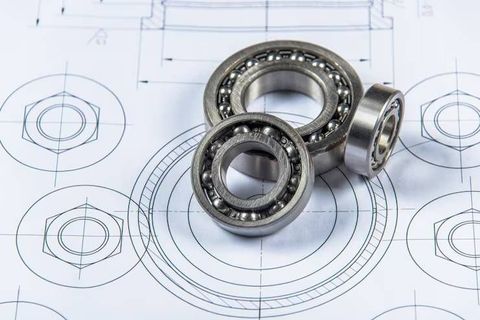
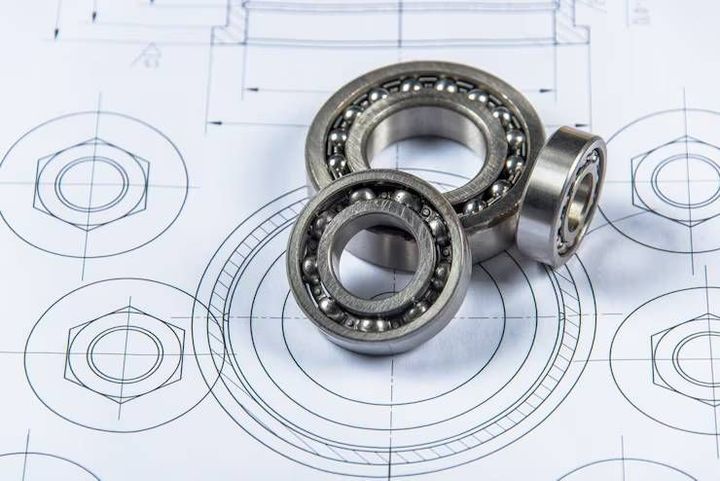
Rolling bearings place steel balls or cylindrical rollers between the moving carriage and the guide surface. Ball-based linear bearings are widely used because they offer low friction, smooth travel, and repeatable positioning. Roller and needle bearings spread weight across a wider contact patch, which helps them support heavier loads and higher stiffness.
Plain and Contactless Bearings
Plain linear bearings, often called sleeve bearings or bushings, use smooth sliding contact rather than balls or rollers.
Linear Bearings and Rails in Practice
Many systems combine linear bearings and rails to keep heavy or fast-moving parts on a true path. Round shafts paired with bushings can be easier to adapt and tolerate slight mounting imperfections.
| Bearing Style | Motion Method | Typical Strengths | Common Trade-Offs |
| Linear ball bearing | Recirculating balls | Low friction and smooth precision | Less tolerant of dirt without seals |
| Linear roller bearing | Cylindrical rollers | Higher load capacity and rigidity | Requires careful alignment and setup |
| Plain sleeve bearing | Sliding surface contact | Simple build; resists dust or moisture | Higher friction and wear over time |
| Air or magnetic guide | Non-contact gap | Near-zero mechanical wear | Higher cost and specialized controls |
Common Uses Across Industries
You can find linear bearings inside everyday equipment and industrial machinery alike.
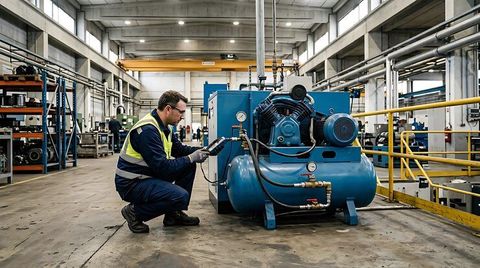
In factories and workshops, linear bearings support CNC machines, packaging lines, robotic arms, and medical or laboratory devices.
Choosing and Sourcing Components
Selecting the right option starts with looking at weight, travel speed, accuracy needs, and surrounding conditions like dust or moisture. Seals, wipers, and routine lubrication also play an important role in keeping dirt out and extending service life.
When sourcing parts, buyers often compare catalog specifications, dimensional drawings, and replacement availability across suppliers of bearings. Checking load ratings, rail compatibility, and maintenance needs upfront helps avoid mismatching parts during assembly.
Frequently Asked Questions
How do linear bearings differ from regular bearings?
Linear bearings guide motion in a straight line, whereas standard ball or roller bearings usually support rotating shafts or wheels.
Are linear bearings and rails sold together or separately?
They can be bought either as matched assemblies or as separate shafts, rails, and bearing blocks. Checking fit, dimensions, and load ratings together helps ensure smooth travel without binding.
Why do linear bearings wear out early?
Excessive loads, misalignment, lack of lubrication, or contaminants like dust and grit can shorten bearing life.
How do I compare suppliers of bearings for a project?
Compare clear technical data sheets, load and travel ratings, material options, and delivery or support terms rather than relying on price alone. Confirming exact tolerances with your design needs reduces installation surprises.
Conclusion
Linear bearings play a quiet but vital role wherever straight, smooth, and repeatable movement is needed.