Livestock Feed Processing Overview and Feed Mill Equipment Basics
Livestock Feed Processing is the method of converting raw agricultural materials into balanced animal feed. It involves cleaning, grinding, mixing, conditioning, pelleting, and quality testing to ensure proper nutrition and safety for farm animals. This process exists to improve feed efficiency, reduce waste, enhance digestibility, and support animal health in modern agriculture.
Livestock feed processing transforms grains, oilseeds, vitamins, and minerals into structured feed forms such as mash, pellets, or crumbles. The main goal is to deliver balanced animal nutrition while maintaining consistent feed quality and safety standards.
Common raw materials include:
- Corn, wheat, and barley
- Soybean meal and oilseed cakes
- Mineral premixes and vitamin blends
- By-products such as bran or distillers grains
Feed processing methods typically include:
- Grinding to improve digestibility
- Mixing to ensure uniform nutrient distribution
- Pelleting to improve feed conversion ratio
- Extrusion for specialty feeds
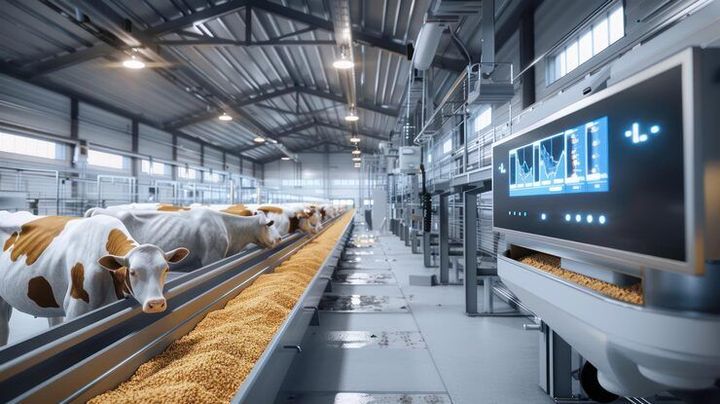
Modern feed mills use automation and feed formulation software to create precise nutritional blends. These blends are tailored for poultry, dairy cattle, swine, and aquaculture species. The integration of animal nutrition science with feed manufacturing technology ensures balanced diets for growth and productivity.
Importance: Why Feed Processing Matters Today
Livestock feed processing plays a central role in food security and agricultural productivity. With rising global demand for meat, milk, and eggs, efficient feed conversion has become essential.
Key Benefits
- Improved feed conversion ratio (FCR)
- Reduced feed waste
- Better nutrient absorption
- Lower contamination risks
- Consistent growth performance
Farmers, feed manufacturers, agribusiness companies, and dairy cooperatives depend on reliable feed processing systems. Poor processing can lead to serious challenges in livestock production.
Risks of Poor Feed Processing
- Nutrient imbalances
- Mold contamination
- Reduced animal immunity
- Economic losses
Proper feed processing also supports animal health management by minimizing pathogens. Techniques such as heat treatment and conditioning help control microbial risks and improve starch digestibility.
Processing Methods and Their Purposes
| Processing Method | Main Purpose | Suitable Livestock |
|---|---|---|
| Grinding | Increase surface area for digestion | Poultry, Swine |
| Pelleting | Improve intake and reduce dust | Poultry, Cattle |
| Extrusion | Enhance digestibility and texture | Aquaculture |
| Crumbling | Adjust pellet size | Broiler chicks |
Recent Updates in Feed Processing (2025 Trends)
Recent developments have significantly influenced feed manufacturing and animal nutrition practices. These trends focus on efficiency, sustainability, and digital innovation.
Precision Nutrition and AI Integration
Feed mills are increasingly adopting artificial intelligence tools to optimize feed formulation. These systems analyze real-time livestock performance data and adjust nutrient levels accordingly. This helps reduce waste while improving efficiency.
Sustainable Feed Ingredients
There is growing interest in alternative protein sources such as insect meal and algae-based feed. Research programs are expanding to reduce dependence on traditional soybean meal. These alternatives support long-term sustainability goals.
Energy-Efficient Equipment
Modern pellet mills and hammer mills are being designed to reduce electricity consumption. Energy efficiency is becoming important due to rising operational costs. This also contributes to lower environmental impact.
Stricter Quality Monitoring
Digital moisture sensors and automated contamination detection systems are now widely used. These technologies help maintain feed safety and reduce mycotoxin risks. They also improve consistency in production.
Carbon Footprint Tracking
Some agribusiness companies are measuring the carbon footprint of feed production. This connects feed efficiency with environmental sustainability. It also aligns with global climate goals.
Laws and Policies Affecting Livestock Feed Processing
Livestock feed processing is regulated to ensure animal health and food safety. In India, several regulatory bodies and programs guide feed manufacturing standards.
Key Regulatory Authorities
Food Safety and Standards Authority of India (FSSAI)
The Food Safety and Standards Authority of India sets safety guidelines that influence feed quality and contamination control. These standards help ensure safe food production across the supply chain.
Bureau of Indian Standards (BIS)
The Bureau of Indian Standards provides specifications for feed ingredients and quality benchmarks. These standards promote consistency and reliability in feed products.
Department of Animal Husbandry and Dairying
This department supports livestock development programs and promotes scientific feeding practices. It plays a key role in improving productivity in the livestock sector.
National Livestock Mission
The National Livestock Mission encourages modernization in livestock farming. It supports feed and fodder development initiatives across the country.
Globally, feed safety follows hazard analysis and critical control points (HACCP) principles. Regulations typically focus on:
- Contaminant limits
- Mycotoxin control
- Proper labeling
- Storage and hygiene standards
Compliance helps maintain export quality and ensures consumer confidence in animal-based food products.
Tools and Resources for Feed Processing
Various tools and digital platforms support feed manufacturing and quality management. These resources improve accuracy, efficiency, and safety in production.
Common Tools Used
- Feed formulation software for nutrient calculations
- Moisture meters to monitor feed and grain levels
- Mycotoxin testing kits for contamination detection
- Feed conversion ratio calculators for efficiency tracking
- Agricultural research platforms for updated guidelines
Feed Production Flow
The feed production process follows a structured sequence to ensure quality and safety:
Raw Material → Cleaning → Grinding → Mixing → Conditioning → Pelleting → Cooling → Packaging → Quality Testing
This process ensures uniformity, digestibility, and safe delivery of feed to farms.
FAQs About Livestock Feed Processing
What is the purpose of pelleting in feed processing?
Pelleting compresses feed into uniform shapes, reducing dust and improving intake. It also enhances feed conversion efficiency.
How does grinding affect animal digestion?
Grinding increases the surface area of grains. This makes nutrients more accessible and improves digestibility.
Why is moisture control important in feed manufacturing?
Excess moisture can promote mold growth and mycotoxin formation. This can negatively affect livestock health and feed quality.
What is feed conversion ratio (FCR)?
FCR measures how efficiently animals convert feed into body weight or milk production. Lower values indicate better efficiency.
How do regulations impact feed mills?
Regulations require quality testing, contamination control, and proper labeling. These measures protect both animal and human health.
Conclusion
Livestock feed processing is a critical component of modern agriculture. It transforms raw materials into nutritionally balanced and safe feed, supporting animal health and productivity.
Advancements in automation, sustainable ingredients, and digital monitoring are shaping the future of feed manufacturing. Regulatory compliance and scientific formulation remain essential for maintaining quality standards.
As demand for animal-based food grows, efficient and responsible feed processing will play a key role in sustainable agricultural development.