LPG Filling Plant Guide: Facts, Process and Industry Insights
Liquefied Petroleum Gas (LPG) plays an important role in household, commercial, and industrial energy applications around the world. To ensure safe storage, handling, and distribution, specialized facilities known as LPG Filling Plants are used. These facilities receive LPG in bulk, store it in secure systems, and fill cylinders that are later distributed through approved supply networks.
As energy demand continues to grow, LPG infrastructure has become an important part of the fuel supply chain. Understanding how an LPG Plant operates, the purpose of an LPG Bottling Plant, and the role of LPG Storage Plant facilities can help readers gain insight into the broader energy distribution system. This guide explains key concepts, processes, regulations, and industry developments related to LPG filling operations.
Context
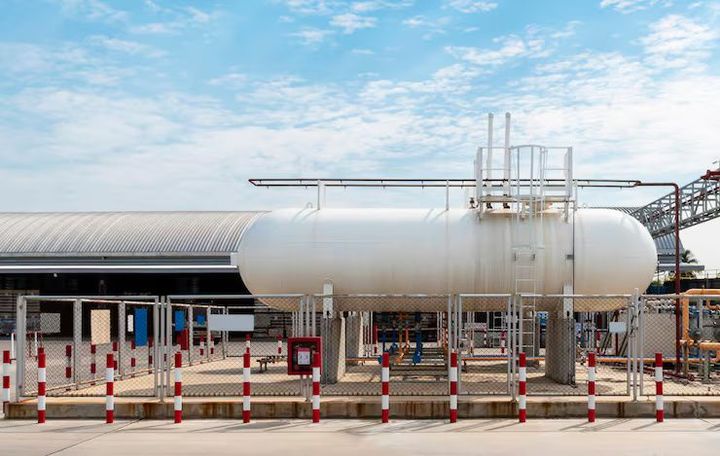
An LPG Filling Plant is an industrial facility designed to receive, store, and fill liquefied petroleum gas into cylinders or containers for distribution. LPG is commonly composed of propane, butane, or a mixture of both gases. Because LPG is stored under pressure, specialized equipment and safety systems are required throughout the filling process.
The development of LPG Gas Plant facilities expanded significantly as governments and industries sought cleaner alternatives to traditional solid fuels. Modern plants use automated systems, monitoring technologies, and strict safety procedures to ensure efficient operations.
The primary purposes of an LPG Filling Plant include:
- Receiving LPG from refineries, terminals, or transportation networks
- Storing LPG safely in pressurized tanks
- Filling cylinders according to established standards
- Conducting inspections and quality checks
- Supporting regional energy distribution networks
Basic LPG Filling Process
The filling process generally follows several steps:
- LPG is received from supply sources.
- The fuel is transferred to storage tanks.
- Cylinders are inspected before filling.
- Cylinders are filled using automated or semi-automated equipment.
- Weight and leak checks are performed.
- Approved cylinders are prepared for distribution.
Main Components of an LPG Filling Plant Project
A typical LPG Filling Plant Project may include:
- Storage vessels
- Cylinder filling systems
- Compressors and pumps
- Fire protection systems
- Control rooms
- Safety monitoring equipment
- Transportation and loading facilities
Importance
LPG infrastructure is important because it helps maintain a reliable supply of fuel for millions of users. Properly designed LPG Plants improve storage efficiency, transportation management, and safety standards across the energy sector.
The impact of LPG infrastructure extends to several groups:
| Stakeholder | Importance |
|---|---|
| Households | Access to cooking and heating fuel |
| Businesses | Energy source for operations |
| Industries | Supports manufacturing and processing activities |
| Governments | Energy security and distribution management |
| Communities | Improved access to modern energy solutions |
An efficient LPG Bottling Plant also helps reduce operational disruptions by maintaining a steady cylinder filling and distribution process.
Recent Updates
Between 2024 and 2026, the LPG industry has experienced several notable developments. Many organizations have increased investment in modernization and digital monitoring systems.
Key trends include:
- Greater automation in cylinder filling operations
- Expansion of LPG infrastructure in developing regions
- Improved leak detection technologies
- Use of digital monitoring for storage tank management
- Enhanced worker safety programs
- Integration of remote monitoring systems
Many newer LPG Filling Plant Project designs now include advanced sensors that continuously monitor pressure, temperature, and equipment performance. These technologies help operators identify potential issues more quickly and improve operational efficiency.
Sustainability initiatives have also encouraged facilities to optimize energy use and reduce emissions associated with plant operations.
Laws or Policies
LPG operations are governed by regulations designed to protect workers, communities, and the environment. While requirements vary by country, most regulations focus on safety, construction standards, transportation rules, and operational procedures.
Important regulatory areas often include:
- Storage tank design standards
- Cylinder inspection requirements
- Fire protection systems
- Emergency response planning
- Environmental protection measures
- Employee training requirements
In India, LPG facilities generally operate under regulations established by petroleum and explosives authorities, along with environmental and industrial safety frameworks. Operators must follow approved procedures for storage, filling, transportation, and facility maintenance.
Compliance with these regulations helps reduce risks and promotes safe operation throughout the LPG supply chain.
Tools and Resources
Several resources can help individuals, researchers, and organizations understand LPG infrastructure and plant operations.
Useful resources include:
- Government energy department websites
- Petroleum regulatory authority publications
- Industrial safety guidelines
- Engineering design manuals
- Environmental compliance documents
Common Planning and Assessment Tools
The following tools are frequently used during project planning and facility management:
| Tool Type | Purpose |
|---|---|
| Capacity Calculators | Estimate storage and filling requirements |
| Risk Assessment Templates | Evaluate operational hazards |
| Site Planning Documents | Support facility layout planning |
| Maintenance Checklists | Track equipment inspections |
| Safety Audit Forms | Monitor compliance requirements |
These resources support informed decision-making during the development and management of an LPG Storage Plant or LPG Filling Plant Project.
FAQs
What is the difference between an LPG Filling Plant and an LPG Storage Plant?
An LPG Filling Plant focuses on filling cylinders for distribution, while an LPG Storage Plant primarily stores bulk LPG before further transportation or processing.
How does an LPG Bottling Plant work?
An LPG Bottling Plant receives LPG in bulk, stores it safely, fills cylinders, performs inspections, and prepares approved cylinders for distribution.
Why are safety systems important in an LPG Gas Plant?
Safety systems help detect leaks, manage pressure levels, prevent accidents, and support emergency response procedures.
What factors are considered in an LPG Filling Plant Project?
Common considerations include storage capacity, safety requirements, site location, environmental compliance, equipment selection, and operational efficiency.
How is LPG infrastructure changing today?
Recent developments include automation, digital monitoring systems, advanced safety technologies, and expanded storage and distribution networks.
Conclusion
LPG Filling Plants play a critical role in the storage, handling, and distribution of liquefied petroleum gas. These facilities help ensure that LPG reaches households, businesses, and industries through controlled and regulated processes. Modern LPG infrastructure continues to evolve through automation, improved safety systems, and enhanced monitoring technologies. Understanding the functions of an LPG Plant, LPG Bottling Plant, and LPG Storage Plant provides valuable insight into the broader energy supply network. As regulations and technologies advance, LPG facilities remain an important component of energy distribution systems worldwide.