Meat Processing Equipment: Complete Guide to Modern Food Processing Systems
Meat processing equipment plays an essential role in the food production industry. From preparing raw meat to packaging finished products, specialized machines help improve efficiency, maintain hygiene, and support consistent product quality.
These systems are widely used in food manufacturing facilities, commercial kitchens, poultry processing plants, and meat production environments.
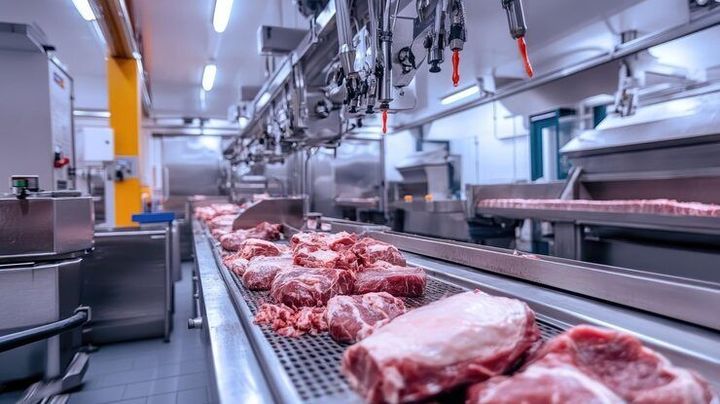
Modern meat processing equipment is designed to handle different stages of production while following strict food safety standards. Equipment such as meat grinders, meat slicers, vacuum tumblers, industrial mixers, sausage filling machines, meat cutting machines, and vacuum packaging machines work together to create a streamlined production process.
This guide explains what meat processing equipment is, how it works, the major machine categories, practical applications, important considerations, and future developments in the industry.
Understanding the Concept
Meat processing equipment refers to machines used to prepare, cut, grind, mix, tenderize, cook, package, and preserve meat products. These machines help improve production consistency while reducing manual handling.
A complete meat processing system often includes multiple machines working together in sequence. Each machine performs a specific task before passing the product to the next stage.
Typical production stages include:
- Meat cutting
- Grinding
- Mixing
- Tenderizing
- Filling
- Cooking
- Cooling
- Packaging
- Inspection
Using specialized equipment helps maintain product consistency, improve hygiene, and support efficient production.
For example, a poultry processing facility may begin by cutting meat into smaller portions, followed by grinding, seasoning, mixing, filling sausage casings, and vacuum packaging the finished products.
Key Types or Categories
Several categories of meat processing equipment are commonly used throughout food production.
Meat Cutting Machines
Meat cutting machines divide large portions into smaller pieces for additional processing.
Common equipment includes:
- Band saw machines
- Portion cutters
- Cube cutters
- Dicing machines
- Strip cutters
These machines improve cutting consistency and reduce manual effort.
Meat Grinders
Industrial meat grinders reduce meat into smaller particles for products such as burgers, meatballs, and sausages.
Grinding plates of different sizes create various textures depending on production requirements.
Meat Mixers
Industrial meat mixers combine meat with spices, herbs, seasonings, and other ingredients.
Uniform mixing ensures every batch has consistent texture and flavor.
Sausage Filling Equipment
Sausage filling machines transfer prepared meat mixtures into natural or synthetic casings.
Modern equipment helps produce consistent sizes and shapes.
Vacuum Tumblers
Vacuum tumblers improve ingredient distribution by gently rotating meat inside a sealed chamber.
This process allows seasonings to spread more evenly throughout the product.
Vacuum Packaging Machines
Vacuum packaging equipment removes air before sealing packages.
This process supports product freshness and improves packaging quality.
Important Subsections
Meat Slicers
Industrial meat slicers produce uniform slices for products such as deli meats and processed food items.
Consistent slicing improves appearance and packaging efficiency.
Tenderizing Equipment
Tenderizing machines soften tougher cuts of meat by breaking down muscle fibers.
This improves texture and creates more uniform products.
Industrial Smokehouses
Smokehouses provide controlled environments for smoking meat products.
Temperature, airflow, and humidity are carefully managed throughout the process.
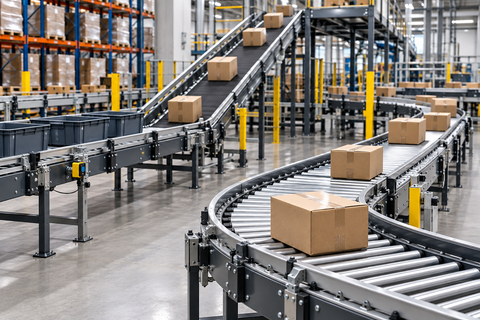
Conveyor Systems
Conveyor systems move products between production stages.
Automated movement improves workflow and reduces manual handling.
Inspection Equipment
Food inspection systems help identify unwanted materials before packaging.
Inspection equipment may include:
- Metal detection
- X-ray inspection
- Weight checking
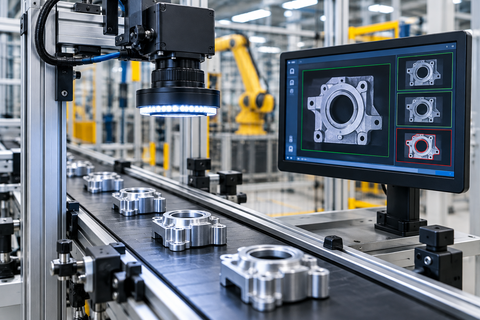
- Vision inspection systems
These technologies improve quality control.
How It Works
Meat processing equipment follows a structured production sequence.
Step 1: Raw Material Preparation
Meat is inspected and prepared before entering production.
Preparation may include:
- Trimming
- Deboning
- Portioning
- Cleaning
Step 2: Cutting and Grinding
Prepared meat moves through cutting machines and industrial grinders.
Grinding size depends on the final product requirements.
Step 3: Mixing Ingredients
Industrial mixers combine meat with selected ingredients.
Uniform blending improves consistency throughout each production batch.
Step 4: Forming Products
Depending on the product, equipment may:
- Fill sausage casings
- Shape burger patties
- Form meatballs
- Portion products
Automated forming creates consistent product sizes.
Step 5: Packaging
Finished products move to vacuum packaging machines where packages are sealed for storage and transportation.
Packaging also supports food safety and product quality.
Benefits and Advantages
Modern meat processing equipment provides many practical advantages.
Improved Production Efficiency
Automated equipment processes larger quantities while maintaining consistent workflow.
Better Product Consistency
Machines create uniform cutting, mixing, grinding, and packaging results.
Consistency improves overall product quality.
Enhanced Food Safety
Modern equipment is designed using hygienic materials and smooth surfaces that support easier cleaning and sanitation.
Reduced Manual Handling
Automation decreases direct handling throughout production.
This supports cleaner production environments.
Greater Production Capacity
Large-scale processing equipment helps manufacturers manage increasing production demands.
Reliable Quality Control
Inspection systems monitor products throughout production to improve consistency and reduce defects.
Real-World Examples or Applications
Meat processing equipment supports many sectors of the food industry.
Poultry Processing Plants
Poultry facilities commonly use:
- Portion cutters
- Deboning equipment
- Conveyor systems
- Packaging machines
These machines support efficient poultry production.
Beef Processing Facilities
Beef production often includes:
- Industrial grinders
- Band saw machines
- Vacuum tumblers
- Meat mixers
Each machine performs a dedicated production task.
Sausage Manufacturing
Sausage production commonly requires:
- Meat grinders
- Industrial mixers
- Filling machines
- Linking equipment
- Packaging systems
These machines work together throughout production.
Food Manufacturing Facilities
Prepared food manufacturers use meat processing equipment for products such as:
- Frozen meals
- Meat patties
- Ready-to-cook products
- Processed meat items
Automated systems improve production consistency.
Important Factors to Understand
Several considerations influence equipment selection and operation.
Food Safety Standards
Equipment should support hygienic production through easy cleaning and proper material construction.
Production Capacity
Different facilities require machines capable of handling different production volumes.
Equipment selection depends on daily processing requirements.
Equipment Maintenance
Routine inspection and maintenance help maintain reliable machine performance.
Regular maintenance also extends equipment lifespan.
Energy Efficiency
Modern industrial equipment increasingly focuses on reducing energy consumption while maintaining production performance.
Worker Training
Employees should understand:
- Safe machine operation
- Cleaning procedures
- Inspection methods
- Emergency shutdown procedures
Proper training supports safer production environments.
Future Trends and Industry Insights
The meat processing industry continues adopting advanced technologies.
Smart Manufacturing
Connected equipment now collects operational information that supports production monitoring and equipment performance analysis.
Artificial Intelligence Inspection
Artificial intelligence assists quality inspection by identifying irregular product shapes, packaging issues, and production inconsistencies.
Robotic Automation
Industrial robots increasingly perform repetitive handling, packaging, and palletizing tasks.
Automation improves workflow consistency.
Internet of Things Monitoring
Connected industrial sensors monitor:
- Equipment performance
- Temperature
- Humidity
- Production efficiency
- Machine condition
Real-time monitoring supports preventive maintenance.
Sustainable Processing
Manufacturers continue improving:
- Water conservation
- Energy efficiency
- Waste reduction
- Packaging optimization
These developments support more efficient production operations.
Conclusion
Meat processing equipment is an essential part of modern food manufacturing. From cutting and grinding to mixing, filling, inspection, and packaging, each machine contributes to efficient, hygienic, and consistent production.
A complete production system combines multiple specialized machines that work together to improve workflow, product quality, and operational efficiency. Equipment such as industrial meat grinders, meat mixers, vacuum tumblers, sausage filling machines, conveyor systems, and vacuum packaging machines support a wide range of food production activities.
As technology continues advancing, smart manufacturing, artificial intelligence, industrial automation, connected sensors, and energy-efficient equipment will continue shaping the future of meat processing. Understanding how these systems operate helps manufacturers improve production quality while supporting safe and reliable food processing operations.