Metal Fabrication Machines: Guide to Manufacturing Processes
Metal fabrication machines are an essential part of modern manufacturing. They help transform raw metal into parts, structures, and finished products used in industries such as construction, automotive, aerospace, energy, electronics, and infrastructure. By combining different manufacturing processes, these machines improve accuracy, consistency, and production efficiency.
As manufacturing technology continues to advance, metal fabrication machines have become more automated and precise. Computer-controlled equipment, digital monitoring, and improved production methods allow manufacturers to create complex components while reducing material waste. Understanding how these machines work helps students, professionals, and businesses better appreciate their role in industrial production.
Context – What Are Metal Fabrication Machines?
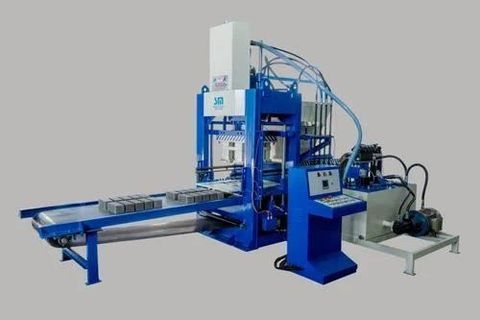
Metal fabrication machines are specialized equipment used to shape, cut, bend, join, and finish metal materials. They are designed to convert metal sheets, pipes, bars, and plates into products that meet specific engineering and manufacturing requirements.
The metal fabrication process generally follows several stages:
| Process | Purpose | Common Machines |
|---|---|---|
| Cutting | Separates metal into required shapes | Laser cutters, plasma cutters, shearing machines |
| Forming | Changes the shape without removing material | Press brakes, rollers, stamping presses |
| Machining | Removes material for precision | CNC milling machines, lathes |
| Joining | Connects metal components | Welding machines, fastening equipment |
| Finishing | Improves appearance and durability | Grinding, polishing, coating equipment |
Common Types of Metal Fabrication Machines
Some widely used machines include:
- Laser cutting machines
- Plasma cutting machines
- Waterjet cutting machines
- CNC milling machines
- CNC turning machines
- Press brake machines
- Punching machines
- Welding equipment
- Sheet metal shearing machines
- Grinding and polishing machines
Each machine performs a specific task within the manufacturing process, often working together as part of an integrated production line.
Importance – Why It Matters and Who It Affects
Metal fabrication machines support nearly every manufacturing sector. They help produce structural components, machinery parts, transportation equipment, household products, and industrial tools.
Their importance includes:
- Improved manufacturing precision
- Consistent product quality
- Efficient material utilization
- Faster production cycles
- Better workplace productivity
- Support for customized manufacturing
Industries That Depend on Metal Fabrication Machines
Many sectors rely on these manufacturing processes, including:
- Automotive manufacturing
- Aerospace engineering
- Construction and infrastructure
- Heavy industrial equipment
- Renewable energy systems
- Medical equipment manufacturing
- Electronics production
- Agricultural machinery
Educational institutions, engineering professionals, production planners, and quality inspectors also benefit from understanding fabrication technologies and manufacturing standards.
Recent Updates – Trends and Developments from 2024–2026
Between 2024 and 2026, manufacturing technology has continued to evolve through automation, digital monitoring, and improved production efficiency.
One significant trend is the wider adoption of CNC-controlled metal fabrication machines. Computer Numerical Control (CNC) technology allows manufacturers to produce highly accurate components with repeatable precision while minimizing manual adjustments.
Artificial intelligence is increasingly being integrated into manufacturing systems. AI-assisted monitoring helps identify machine performance issues, predict maintenance needs, and improve production scheduling.
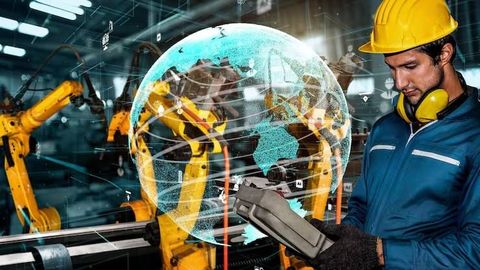
Industrial automation continues expanding through robotic welding, automated material handling, and smart inspection systems. These technologies help maintain consistent production quality while reducing production downtime.
Digital twin technology is also becoming more common. Manufacturers can simulate production processes before actual fabrication begins, helping optimize machine settings and reduce unnecessary material usage.
Environmental sustainability remains an important focus. Modern fabrication facilities increasingly use energy-efficient machinery, improved recycling methods, and optimized cutting layouts to reduce waste.
Other notable developments include:
- Cloud-based production monitoring
- Industrial Internet of Things (IIoT) connectivity
- Advanced laser cutting systems
- Improved workplace safety technologies
- Greater adoption of predictive maintenance software
These developments continue to improve manufacturing accuracy, operational efficiency, and long-term equipment performance.
Laws or Policies – Relevant Rules, Regulations, or Government Policies
Metal fabrication activities are often regulated through workplace safety standards, environmental regulations, machinery requirements, and quality management systems. Exact requirements vary between countries and industries.
Common regulatory areas include:
- Occupational health and workplace safety
- Machine guarding and operator protection
- Electrical safety standards
- Fire prevention requirements
- Environmental emission controls
- Waste disposal regulations
- Noise exposure limits
- Personal protective equipment (PPE) requirements
Many manufacturers also follow internationally recognized standards such as:
- ISO 9001 for quality management
- ISO 14001 for environmental management
- ISO 45001 for occupational health and safety
Government agencies may also establish rules covering industrial emissions, energy efficiency, hazardous material handling, and workplace inspections. Organizations should regularly review applicable national and regional regulations to maintain compliance.
Tools and Resources – Useful Websites, Calculators, Templates, or Platforms
Several digital resources help professionals understand manufacturing processes, estimate production requirements, and improve fabrication planning.
Useful resources include:
- Engineering calculation tools
- Sheet metal bend allowance calculators
- Material weight calculators
- CAD software for product design
- CAM software for CNC programming
- Manufacturing simulation platforms
- Industry standards documentation
- Technical training platforms
These resources assist engineers, manufacturers, educators, and students throughout product development and production planning.
Helpful Manufacturing Resources
| Resource | Purpose |
|---|---|
| CAD software | Create engineering designs |
| CAM software | Generate CNC machine instructions |
| Material calculators | Estimate weight and material usage |
| Manufacturing simulation tools | Test production workflows digitally |
| Industry standards libraries | Access technical specifications |
| CNC programming resources | Learn machining techniques |
Using these resources supports better planning, improved manufacturing accuracy, and more efficient production management.
FAQs
1. What are metal fabrication machines?
Metal fabrication machines are industrial equipment used to cut, bend, shape, machine, join, and finish metal materials during manufacturing.
2. What industries commonly use metal fabrication machines?
They are widely used in automotive, aerospace, construction, energy, electronics, medical equipment, and industrial manufacturing.
3. What is the difference between fabrication and machining?
Fabrication involves shaping and assembling metal components, while machining removes material using precision cutting tools to achieve exact dimensions.
4. Why are CNC machines important in metal fabrication?
CNC machines improve precision, repeatability, production efficiency, and consistency by using computer-controlled manufacturing processes.
5. How is automation changing metal fabrication?
Automation supports robotic welding, digital inspection, predictive maintenance, automated material handling, and improved production monitoring, helping manufacturers increase efficiency and maintain consistent quality.
Conclusion
Metal fabrication machines play a central role in modern manufacturing by transforming raw metal into precise and functional products. They support a wide range of industries and contribute to efficient, accurate, and consistent production processes.
Technological developments between 2024 and 2026 have introduced smarter manufacturing systems, greater automation, and improved digital integration. These innovations continue to shape how manufacturers design, produce, and inspect metal components.
Understanding fabrication processes, industry standards, and available digital resources helps manufacturers, engineers, students, and technical professionals make informed decisions. As manufacturing technology continues to evolve, metal fabrication machines will remain an important foundation of industrial production.
Continuous improvements in automation, sustainability, and precision engineering are expected to further enhance manufacturing capabilities while supporting safer and more efficient production environments.

You May Also Like