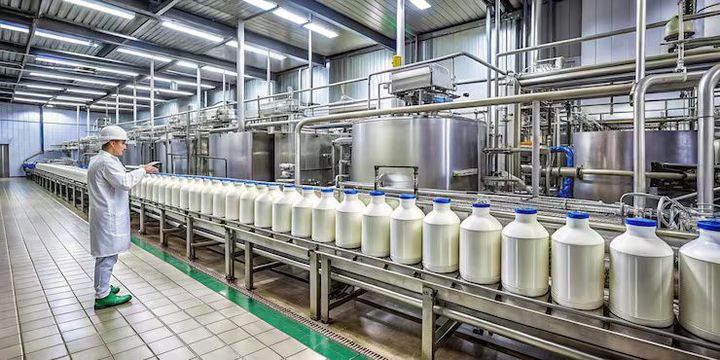
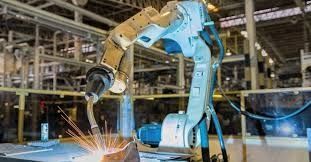
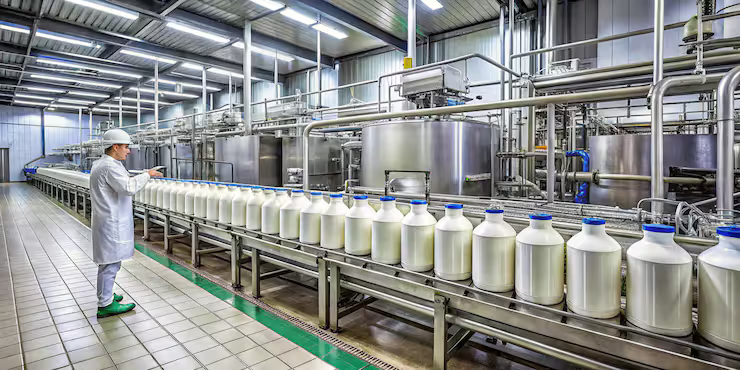
Milk bottling plants developed as cities expanded and direct farm delivery became less practical. These facilities centralize milk processing to ensure safety, hygiene, and longer shelf life.
Modern plants use automated systems, strict quality protocols, and temperature-controlled environments. This helps preserve nutritional value while meeting growing consumer demand.
Why Milk Bottling Plants Matter Today
Milk bottling plants play a critical role in maintaining public health and food safety. Raw milk may contain harmful bacteria, making processing essential before consumption.
These plants impact several key groups:
-
Dairy farmers supplying raw milk
-
Consumers relying on safe and consistent products
-
Retailers and distributors managing supply chains
Key Problems Solved
Milk bottling plants address important challenges in the dairy industry:
-
Food safety risks: Pasteurization eliminates harmful pathogens
-
Shelf life limitations: Controlled processing extends usability
-
Quality inconsistency: Standardization ensures uniform composition
With increasing urbanization, the demand for packaged milk continues to rise. These plants ensure efficiency while maintaining strict hygiene standards.
Recent Updates and Trends (2024–2025)
The dairy industry has undergone significant advancements between 2024 and 2025. These changes focus on improving efficiency, sustainability, and transparency.
Key Innovations
-
Automation expansion (2024): AI-driven systems monitor temperature, hygiene, and production in real time
-
Sustainable packaging (2025): Increased use of recyclable and biodegradable materials
-
Energy efficiency: Machinery designed to reduce water and energy consumption
-
Digital traceability: Blockchain systems track milk from farm to bottle
-
Enhanced testing: Advanced sensors improve contamination detection
These developments reflect a shift toward smarter and more environmentally responsible dairy operations.
Laws and Policies Affecting Milk Bottling Plants
Milk bottling plants operate under strict regulations to protect public health. While rules vary globally, they follow similar safety and quality principles.
Regulations in India
In India, the Food Safety and Standards Authority of India (FSSAI) oversees dairy processing. Key requirements include:
-
Mandatory pasteurization before distribution
-
Strict hygiene standards for equipment and staff
-
Regular quality testing and certification
-
Accurate labeling with nutritional and expiry details
Global Standards
-
Codex Alimentarius: International food safety standards
-
HACCP: Preventive system for identifying risks
-
ISO 22000: Food safety management framework
Governments also promote modernization through financial support and infrastructure upgrades.
Tools and Resources for Milk Bottling Plants
Milk bottling plants rely on various tools and technologies to maintain efficiency and compliance. These systems help ensure product quality and streamline operations.
Common Equipment
-
Pasteurization units for heat treatment
-
Homogenizers for consistent texture
-
Automated bottling machines
-
Quality testing kits and sensors
-
Cold storage and refrigeration systems
Digital Tools
-
Inventory management systems
-
Production monitoring dashboards
-
Supply chain tracking platforms
-
Data analytics tools for optimization
Helpful Resources
-
Government food safety websites
-
Dairy research publications
-
Training programs on hygiene standards
-
Equipment manuals and guides
Milk Processing Workflow
The milk bottling process follows several structured stages to ensure safety and quality.
| Stage | Description | Purpose |
|---|
| Collection | Milk gathered from farms | Initial supply |
| Filtration | Removal of impurities | Clean raw milk |
| Pasteurization | Heating to eliminate bacteria | Ensure safety |
| Homogenization | Breaking down fat particles | Improve consistency |
| Cooling | Rapid temperature reduction | Preserve freshness |
| Bottling | Filling into containers | Prepare for distribution |
| Storage & Transport | Refrigerated handling | Maintain quality during delivery |
Production Efficiency Trends
Milk processing efficiency has improved significantly over time due to technological advancements.
Growth Overview
-
2015: Low automation with moderate output
-
2020: Improved machinery increased efficiency
-
2025: Advanced automation enabled optimized production
This trend highlights the growing role of technology in enhancing productivity and consistency.
Frequently Asked Questions
What is the main function of a milk bottling plant?
A milk bottling plant processes raw milk to make it safe and ready for consumption. This includes cleaning, pasteurizing, and packaging.
Why is pasteurization important?
Pasteurization removes harmful bacteria and extends shelf life. It ensures milk is safe for consumers.
How is milk quality maintained?
Quality is maintained through temperature control, strict hygiene, and regular testing during processing.
What types of packaging are used?
Milk is commonly packaged in plastic bottles, glass bottles, and cartons. Eco-friendly packaging options are increasingly popular.
Are milk bottling plants environmentally sustainable?
Modern plants are adopting sustainable practices like energy-efficient machinery, water recycling, and recyclable packaging.
Conclusion
Milk bottling plants are essential for delivering safe, hygienic, and consistent milk to consumers. They combine advanced technology with strict regulations to maintain high standards.
Recent innovations show a strong focus on automation, sustainability, and transparency. These trends reflect the evolving needs of both consumers and the environment.
As technology continues to advance, milk bottling plants will become even more efficient and environmentally responsible. Their role in the global food system will remain critical for years to come.