Mortising Machines Guide: Basics, Uses, Tips, and Expert Insights for Beginners
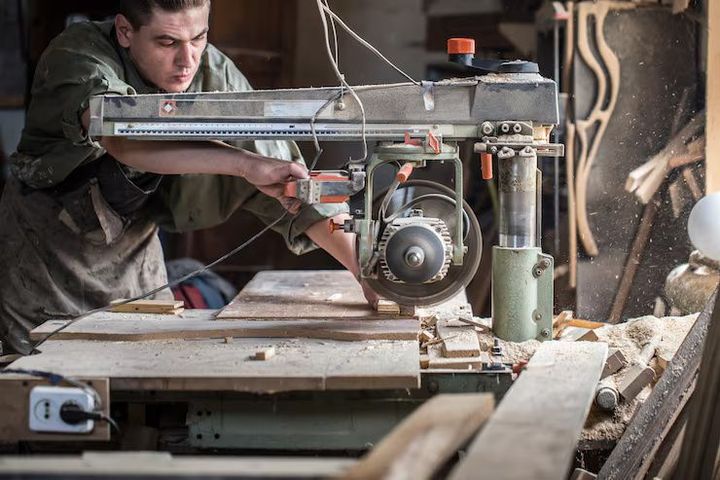
Mortising machines are specialized woodworking tools designed to cut square or rectangular holes, known as mortises, into wood. These mortises are commonly used in joinery, particularly in mortise-and-tenon joints, which are widely recognized for their strength and durability.
Mortising has been used in woodworking for centuries, originally done by hand using chisels and basic tools. Over time, the need for accuracy and efficiency led to the development of mortising machines. These machines help create precise joints that are essential for strong and stable wooden structures.
Today, mortising machines are widely used in furniture making, cabinetry, and construction. They simplify complex joinery tasks and improve consistency across projects.
Types of Mortising Machines
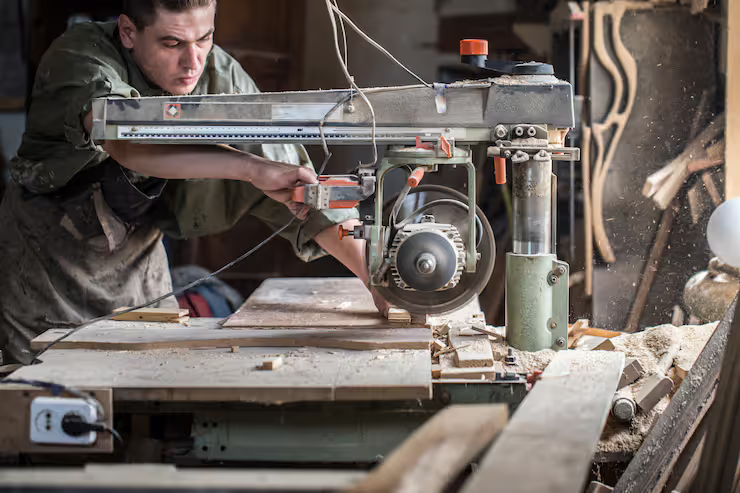
Different types of mortising machines are designed for specific applications. Each type offers unique features depending on the scale and complexity of work.
Common Types
- Bench mortisers – Compact and suitable for small workshops
- Floor-standing mortisers – Designed for heavy-duty applications
- Chain mortisers – Ideal for deep and large mortises
- Hollow chisel mortisers – Provide clean and precise square cuts
These machines are used across industries such as woodworking education, interior design, and furniture manufacturing. They ensure strong joints and improve overall build quality.
Why Mortising Machines Matter Today
Mortising machines remain essential in modern woodworking due to their precision and efficiency. As design standards increase, reliable joinery becomes more important than ever.
Key Reasons for Relevance
- Growing interest in DIY woodworking projects
- Demand for durable and high-quality furniture
- Increased use in construction and interior design
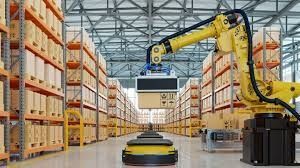
- Integration with modern manufacturing systems
Benefits of Using Mortising Machines
- Ensure tight and secure joints
- Reduce manual labor and save time
- Improve repeatability in production
- Enhance final product quality
These machines help beginners simplify complex tasks while enabling professionals to maintain consistency in large-scale production.
Recent Developments and Trends in 2025
In 2025, mortising machines are evolving with a focus on automation, safety, and efficiency. Modern features are helping users achieve better results with less effort.
Key Trends
- Integration with CNC systems for automation
- Improved dust collection systems
- Enhanced safety features like automatic shut-off
- Digital measurement tools for precise alignment
Manufacturers are also introducing smart sensors to monitor vibration, temperature, and tool wear. This helps reduce downtime and maintain performance.
Eco-friendly designs are becoming more common, with machines consuming less energy and producing less waste. Training centers are also upgrading equipment to match industry standards.
Regulations and Safety Standards
Mortising machines must follow safety guidelines to ensure proper operation. These regulations help protect users and reduce workplace risks.
Key Safety Practices
- Use proper machine guarding
- Wear PPE such as gloves and safety goggles
- Maintain proper ventilation and dust control
- Perform regular maintenance and inspections
Global Standards
- Operator training requirements
- Safe handling procedures
- Emergency stop mechanisms
- Limits on noise and dust exposure
Following these standards ensures a safer and more efficient working environment.
Tools and Resources for Learning and Practice
Using the right tools alongside mortising machines improves accuracy and workflow. Both physical and digital resources support learning and efficiency.
Common Supporting Tools
- Measuring tools like calipers and squares
- Marking tools such as pencils and gauges
- Clamps for securing materials
- Sharpening tools for maintenance
Digital Resources
- CAD software for design
- CNC simulation tools
- Online tutorials and training platforms
- Maintenance tracking applications
Comparison of Mortising Machine Types
| Machine Type | Best For | Precision Level | Usage Complexity |
|---|---|---|---|
| Bench Mortiser | Small projects | High | Low |
| Floor Mortiser | Heavy-duty tasks | Very High | Medium |
| Chain Mortiser | Large timber structures | Moderate | High |
| Hollow Chisel Mortiser | Fine joinery work | Very High | Medium |
Basic Workflow
- Mark the mortise location
- Secure the workpiece
- Align the machine
- Adjust depth and size
- Cut steadily
- Clean and inspect the result
Frequently Asked Questions
What is a mortise in woodworking?
A mortise is a hole or slot cut into wood to receive a tenon, forming a strong joint used in furniture and construction.
What type of mortising machine is best for beginners?
Bench mortisers are ideal for beginners due to their compact design and ease of use.
How do mortising machines improve accuracy?
They use guided cutting systems and depth controls to produce consistent and repeatable results.
Is training required?
Basic training is recommended to understand safe operation and proper techniques.
What materials can be used?
Mortising machines are mainly used for wood but can also handle engineered materials like MDF and plywood.
Additional Insights and Practical Tips
Applying best practices can significantly improve results and extend tool life. Small adjustments in technique can make a big difference.
Useful Tips
- Test settings on scrap material first
- Keep tools sharp for clean cuts
- Avoid forcing the machine
- Maintain proper alignment
- Clean dust regularly
Factors Affecting Mortising Quality
| Factor | Impact on Result |
|---|---|
| Tool Sharpness | Clean and precise cuts |
| Machine Stability | Consistent alignment |
| Material Quality | Smooth finish |
| Operator Technique | Accuracy and safety |
Conclusion
Mortising machines are essential in modern woodworking for creating strong and precise joints. They support both craftsmanship and efficiency across various applications.
With advancements in automation, safety, and sustainability, these machines continue to evolve in 2025. Proper training and adherence to safety standards remain crucial for effective use.
By understanding machine types, tools, and best practices, users can confidently incorporate mortising machines into their projects. These tools remain vital for producing durable and high-quality woodworking results.