Neuromorphic Chips Explanation of Brain Like AI Architecture and Low Power Computing
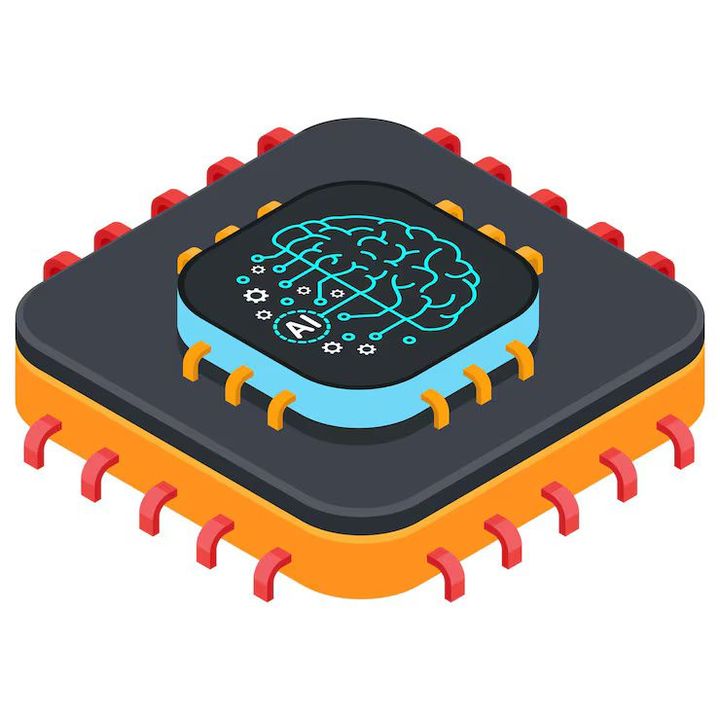
Neuromorphic chips are a type of computing hardware designed to mimic how the human brain works. Unlike traditional processors that follow step-by-step instructions, these chips process information using structures inspired by neurons and synapses. This approach is based on the concept of spiking neural networks, where signals are transmitted only when needed, similar to biological systems.
Neuromorphic chips exist to overcome the limitations of conventional computing. As AI applications grow more complex, traditional hardware struggles with energy efficiency, speed, and scalability.
Neuromorphic computing introduces a brain-inspired approach to data processing that is adaptive, efficient, and capable of real-time learning. These chips are particularly useful in scenarios requiring quick decision-making and low power consumption, such as robotics, edge devices, and autonomous systems.
By mimicking neural processes, neuromorphic technology creates smarter and more efficient AI systems.
Why Neuromorphic Chips Matter Today
The rising demand for advanced AI systems has increased the need for more efficient hardware. Neuromorphic chips address key challenges faced by conventional processors.
Key Benefits
-
Energy Efficiency
These chips significantly reduce energy consumption, which is vital for wearable tech, smart sensors, and IoT devices. -
Faster Processing
Low-latency, brain-inspired architectures support real-time applications like autonomous vehicles and industrial automation. -
Adaptive Learning
Unlike traditional systems, neuromorphic chips can process and respond to new data dynamically, making them ideal for changing environments.
Industry Applications
- Healthcare: Advanced diagnostics and patient monitoring
- Robotics: Adaptive movement and decision-making
- Smart Cities: Efficient sensor network processing
- Consumer Electronics: Smarter devices with real-time intelligence
Recent Developments and Trends in Neuromorphic Computing
Recent advancements in 2024–2025 have accelerated research and real-world adoption of neuromorphic systems.
Key Trends
-
Scalable Neuromorphic Systems
Increasing the number of artificial neurons on a single chip enables more complex processing. -
Integration with Edge Computing
Processing data locally reduces dependency on centralized servers, improving speed and efficiency. -
Hybrid AI Systems
Combining traditional machine learning with neuromorphic components enhances overall performance. -
Academia-Industry Collaboration
Joint research efforts accelerate innovation and practical deployment.
Key Differences Between Traditional AI Chips and Neuromorphic Chips
| Feature | Traditional AI Chips | Neuromorphic Chips |
|---|---|---|
| Processing Style | Sequential/Parallel | Event-driven |
| Energy Efficiency | Moderate to High Usage | Very Low Usage |
| Learning Capability | Pre-trained Models | Adaptive Learning |
| Architecture | Fixed | Brain-inspired |
| Real-time Processing | Limited | Highly Efficient |
Regulations and Policies Affecting AI Hardware
Neuromorphic chips are influenced by regulations and government initiatives aimed at ensuring ethical use, data protection, and technological transparency.
Key Policy Considerations
-
Data Privacy and Security
Standards for secure handling of AI-generated data. -
Ethical AI Usage
Guidelines promote transparent and responsible decision-making. -
Environmental Regulations
Energy-efficient design supports sustainable computing. -
Research and Innovation Support
Funding programs encourage the development of efficient computing systems.
In countries like India, national AI strategies promote innovation while ensuring societal benefit, particularly in healthcare and agriculture. Global frameworks aim to standardize AI technologies for safety and compatibility.
Useful Tools and Resources for Learning Neuromorphic Computing
Various tools and platforms help learners and developers understand and experiment with neuromorphic systems.
Common Resources
- Simulation software for spiking neural networks
- Open-source AI frameworks supporting neuromorphic models
- Research publications and technical documentation
- Online courses on AI and hardware design
Example Tools
- Neural network simulators for brain-inspired models
- Hardware development kits for neuromorphic computing
- AI research repositories with the latest studies
- Data visualization tools for neural activity analysis
Learning Resources Comparison Table
| Resource Type | Purpose |
|---|---|
| Simulation Tools | Test and model neural networks |
| Online Courses | Learn concepts and applications |
| Research Papers | Stay updated with latest developments |
| Development Kits | Build and test hardware prototypes |
FAQs About Neuromorphic Chips
What are neuromorphic chips used for?
They enable efficient and adaptive computing for robotics, smart sensors, and real-time AI systems.
How are they different from traditional processors?
Neuromorphic chips use brain-inspired, event-driven architectures, unlike fixed instruction-based traditional processors.
Do they replace existing AI hardware?
No, they complement traditional hardware, especially where energy efficiency and adaptive learning are needed.
Are neuromorphic systems widely available?
They are in development and early adoption stages but growing in research and specialized applications.
Why are they considered energy efficient?
They process information only when needed, reducing unnecessary computations and lowering power consumption.
Final Thoughts on Neuromorphic Chips
Neuromorphic chips represent a paradigm shift in computing system design. By emulating the human brain, they offer efficient, adaptive, and low-power AI solutions.
As AI continues to advance, the demand for smarter and sustainable hardware will grow. Neuromorphic computing provides a foundation for next-generation AI systems in healthcare, robotics, smart cities, and consumer electronics.
Understanding this technology today helps learners, developers, and organizations prepare for the future of intelligent, energy-efficient computing.