Offshore Construction Explained: Wind, Vessels, Oil & Civil Engineering
Offshore construction refers to the planning, design, installation, and maintenance of structures built in oceans, seas, and other large water bodies. These projects support industries such as offshore wind energy, marine transportation, oil and gas exploration, and coastal civil engineering.
The concept of offshore construction emerged as industries began expanding beyond land-based operations. Growing energy demand, increased maritime trade, and the need for coastal protection created a need for specialized infrastructure in offshore environments.
Unlike traditional construction projects, offshore construction takes place in challenging conditions. Engineers must deal with strong waves, changing weather patterns, deep-water locations, and environmental considerations. As a result, offshore projects require advanced engineering methods, specialized vessels, and strict safety standards.
Today, offshore construction includes a wide range of structures, such as:
| Offshore Structure | Primary Purpose |
|---|---|
| Offshore Wind Turbines | Renewable electricity generation |
| Oil and Gas Platforms | Energy extraction and processing |
| Subsea Pipelines | Transporting resources underwater |
| Marine Terminals | Cargo and vessel operations |
| Coastal Protection Systems | Preventing erosion and flooding |
| Offshore Bridges and Foundations | Transportation and infrastructure support |
These projects form an important part of modern infrastructure and global economic development.
Why Offshore Construction Matters Today
Offshore construction plays a major role in supporting energy security, transportation networks, and environmental resilience.
One of its most significant contributions is in the renewable energy sector. Offshore wind farms can generate large amounts of electricity while using vast ocean areas that would otherwise remain unused. This helps countries diversify their energy sources and reduce dependence on traditional fuels.
The industry also supports global maritime operations. Ports, shipping routes, and offshore terminals depend on marine infrastructure to facilitate international trade and transportation.
Several groups benefit from offshore construction, including:
- Energy producers
- Shipping and logistics operators
- Coastal communities
- Infrastructure planners
- Environmental management agencies
- Governments and regulatory bodies
Offshore construction addresses important challenges such as:
- Increasing energy demand
- Coastal erosion risks
- Growing maritime trade volumes
- Expansion of renewable energy infrastructure
- Improved resource transportation systems
The sector also contributes to technological innovation through advanced engineering techniques, digital monitoring systems, and improved construction methodologies.
Offshore Construction Applications Across Major Industries
Offshore Wind Energy
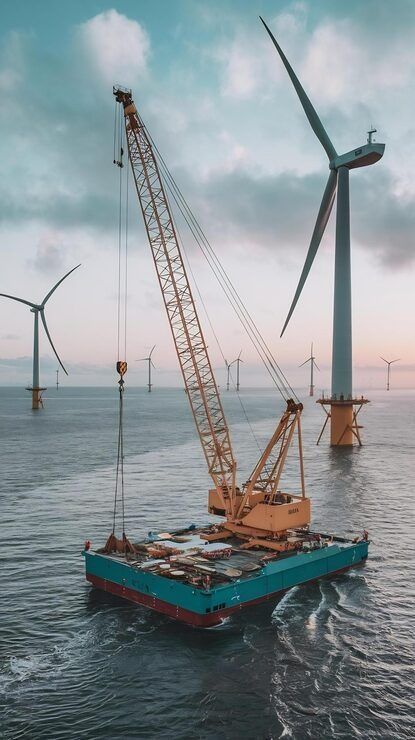
Offshore wind farms have become one of the fastest-growing renewable energy technologies worldwide. Turbines installed offshore often benefit from stronger and more consistent wind conditions compared to land-based systems.
Construction activities include:
- Foundation installation
- Turbine assembly
- Subsea cable deployment
- Offshore substations
- Maintenance infrastructure
Marine Vessels and Shipping Infrastructure
Specialized vessels are essential for transporting materials, installing structures, and maintaining offshore facilities.
Common vessel categories include:
- Heavy-lift vessels
- Cable-laying vessels
- Construction support vessels
- Survey ships
- Maintenance vessels
These ships allow engineers to work safely and efficiently in offshore environments.
Oil and Gas Infrastructure
Although renewable energy is expanding, offshore oil and gas infrastructure remains important in many regions.
Projects may involve:
- Production platforms
- Floating production systems
- Underwater pipelines
- Storage facilities
- Drilling support structures
Modern engineering practices focus on operational safety and environmental protection.
Civil Engineering Projects
Offshore civil engineering supports transportation and coastal protection.
Examples include:
- Sea bridges
- Breakwaters
- Artificial islands
- Harbor expansions
- Coastal defense systems
These projects help communities adapt to changing environmental conditions while supporting economic activity.
Recent Offshore Construction Developments and Industry Trends
The offshore construction industry experienced several notable developments throughout 2025 and early 2026.
Expansion of Offshore Wind Capacity
Many countries accelerated offshore wind development programs during 2025. Larger turbines and floating foundation technologies gained attention because they enable energy generation in deeper waters.
Floating wind systems have become an important trend as developers seek locations beyond traditional shallow-water areas.
Increased Digitalization
Digital monitoring technologies continue to transform offshore operations.
Common innovations include:
- Remote inspection systems
- Artificial intelligence-based maintenance analysis
- Digital twin modeling
- Autonomous underwater inspection vehicles
These technologies improve operational efficiency and help identify potential issues before they become major concerns.
Focus on Sustainable Construction Practices
Environmental considerations received greater attention during 2025.
Developers increasingly adopted:
- Low-emission construction methods
- Improved marine ecosystem monitoring
- Sustainable material selection
- Enhanced environmental impact assessments
Growth of Floating Infrastructure
Floating platforms are becoming more common across multiple sectors.
Applications include:
- Floating wind turbines
- Offshore energy hubs
- Floating production facilities
- Marine research stations
These solutions provide flexibility for projects in deeper offshore regions.
Offshore Construction Market Trends Overview
| Trend | Industry Impact |
|---|---|
| Floating Wind Technology | Expands renewable energy opportunities |
| Digital Monitoring Systems | Improves efficiency and safety |
| Sustainable Engineering | Supports environmental goals |
| Advanced Materials | Enhances durability and performance |
| Smart Maintenance Solutions | Reduces operational disruptions |
Laws, Regulations, and Government Policies
Offshore construction projects operate under strict regulatory frameworks designed to protect safety, environmental quality, and maritime operations.
While regulations vary by country, several common areas apply globally.
Environmental Protection Requirements
Most governments require environmental impact assessments before major offshore construction begins.
These assessments evaluate:
- Marine ecosystems
- Water quality
- Wildlife impacts
- Noise pollution
- Habitat protection measures
Environmental monitoring often continues throughout project lifecycles.
Maritime Safety Standards
International maritime safety requirements influence offshore construction activities.
These standards typically address:
- Vessel operations
- Worker safety
- Emergency response planning
- Equipment certification
- Operational procedures
Renewable Energy Policies
Many governments introduced offshore wind development programs to support renewable energy goals.
These policies often encourage:
- Clean energy expansion
- Grid integration planning
- Research and development initiatives
- Infrastructure modernization
Coastal and Civil Engineering Regulations
Coastal infrastructure projects must comply with planning and engineering requirements related to:
- Flood protection
- Coastal zone management
- Navigation safety
- Public infrastructure standards
Regulatory compliance remains a critical component of every offshore construction project.
Helpful Tools and Resources for Offshore Construction Learning
Professionals, students, and researchers often use specialized tools and educational resources to understand offshore construction processes.
Useful categories include:
Engineering Design Software
These platforms help create structural models, analyze loads, and evaluate project feasibility.
Common functions include:
- Structural analysis
- Foundation design
- Load calculations
- Simulation modeling
Marine Weather Resources
Weather forecasting tools support offshore planning and risk management.
Typical information includes:
- Wind conditions
- Wave heights
- Ocean currents
- Storm tracking
Geographic Information Systems
GIS platforms assist with:
- Site selection
- Environmental assessments
- Infrastructure mapping
- Marine spatial analysis
Project Planning Templates
Construction planning templates help organize:
- Project schedules
- Risk assessments
- Inspection records
- Maintenance programs
Learning Resources
Educational materials may include:
- Technical publications
- Engineering guides
- Industry reports
- Research databases
- Professional training materials
These resources support better understanding of offshore construction concepts and practices.
Frequently Asked Questions
What is offshore construction?
Offshore construction involves building and maintaining structures located in oceans, seas, or other large water bodies. Examples include wind farms, oil platforms, subsea pipelines, and marine infrastructure.
Why is offshore wind construction growing rapidly?
Offshore wind projects benefit from stronger and more consistent wind conditions compared to many land-based locations. This allows greater renewable energy generation potential.
What are the biggest challenges in offshore construction?
Common challenges include harsh weather conditions, deep-water environments, complex logistics, environmental protection requirements, and strict safety standards.
How does offshore construction support civil engineering?
Offshore civil engineering projects include bridges, coastal defenses, ports, breakwaters, and transportation infrastructure that support economic activity and coastal resilience.
Are environmental regulations important in offshore construction?
Yes. Environmental regulations help protect marine ecosystems, wildlife habitats, water quality, and coastal resources throughout project planning, construction, and operation.
Conclusion
Offshore construction is a highly specialized field that supports renewable energy development, maritime transportation, oil and gas infrastructure, and coastal engineering projects. Its importance continues to grow as countries expand offshore wind capacity, modernize marine infrastructure, and strengthen coastal resilience.