Oil Cleaners Explained: High-Performance Filtration, Essential Features, and Expert Insights
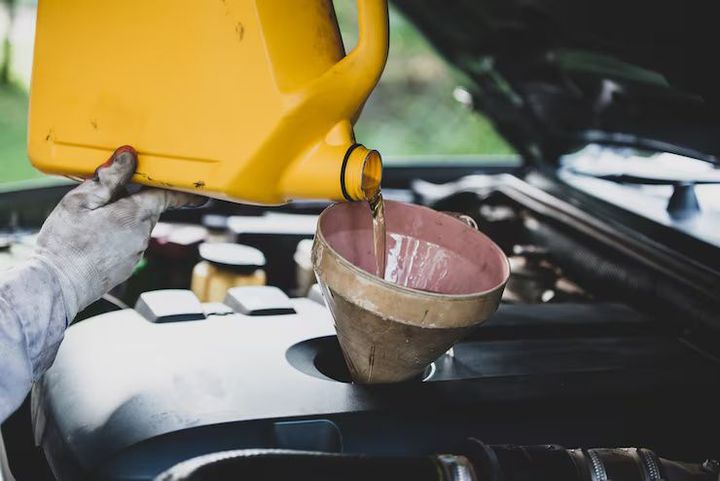
Oil cleaners are filtration devices designed to remove contaminants from lubricating oils used in engines, industrial machinery, and hydraulic systems. Over time, oils collect particles such as dust, metal fragments, carbon deposits, and moisture. Oil cleaners and oil filtration systems help separate these contaminants so the oil can continue performing its intended function.
The concept of oil cleaning emerged alongside the development of mechanical engines and industrial equipment in the late nineteenth and early twentieth centuries. Early machines relied on simple mesh filters or sediment traps to capture larger particles. As equipment became more complex and operated under higher pressure and temperature conditions, filtration technology evolved to improve reliability and reduce contamination.
Modern oil cleaners rely on multiple filtration approaches, including mechanical filters, centrifugal separation, and advanced membrane materials. These technologies are commonly used in automotive engines, power generation equipment, heavy machinery, marine systems, and manufacturing plants.
High-performance filtration plays an important role in maintaining oil quality. By separating contaminants from circulating oil, oil cleaning systems help maintain lubrication properties, reduce internal wear, and support stable machine operation.
Importance
Oil cleaners are relevant because oil contamination can affect both equipment reliability and environmental conditions. When particles accumulate in lubricating oil, friction increases and components may wear more quickly. Effective oil filtration helps limit these issues by maintaining cleaner fluid circulation.
Several groups interact with oil cleaning systems in everyday activities:
- Vehicle owners: Passenger vehicles rely on oil filters and oil cleaners to maintain engine lubrication.
- Industrial operators: Manufacturing plants use filtration equipment to maintain hydraulic and turbine oil quality.
- Transport sectors: Ships, aircraft ground equipment, and heavy vehicles rely on filtration systems to handle large oil volumes.
- Environmental monitoring organizations: Oil contamination and disposal practices are monitored to reduce environmental impact.
Oil cleaners address practical challenges associated with contamination. These challenges include particle buildup, oxidation residues, water intrusion, and sludge formation. Without filtration, contaminants may circulate repeatedly through machinery components.
High-performance filtration systems attempt to remove different categories of contaminants:
- Solid particles: Metal fragments, dust, carbon residues, and wear particles.
- Liquid contamination: Water droplets or coolant intrusion.
- Chemical degradation products: Oxidized compounds that develop during extended oil use.
The importance of oil cleaning becomes clearer in environments where machines operate continuously, such as manufacturing plants, energy facilities, and transportation systems. Even small particles can affect precision equipment if they circulate repeatedly through bearings, pumps, and valves.
In addition, oil cleaners help maintain consistent oil performance across long operating periods. Cleaner oil maintains viscosity stability, heat transfer properties, and lubrication effectiveness more reliably than heavily contaminated oil.
Recent Updates
Between 2024 and 2026, several developments have shaped oil filtration and oil cleaner technology. Many of these developments focus on improving filtration efficiency while reducing maintenance complexity.
One visible trend involves multi-stage filtration systems. Instead of relying on a single filter medium, modern oil cleaners may combine several filtration stages. Each stage targets different particle sizes or contamination types, improving overall filtration coverage.
Another development involves centrifugal oil cleaning units. These devices use rotational force to separate particles from oil. As the oil spins at high speed, heavier particles move outward and accumulate along the walls of the separation chamber.
Digital monitoring has also become more common in industrial oil filtration systems. Sensors can track contamination levels, oil temperature, and particle concentration. Data from these sensors helps operators understand when filtration components require replacement or cleaning.
Material science has also contributed to filtration improvements. Synthetic fiber filters and nanofiber membranes allow oil cleaners to capture smaller particles without significantly restricting oil flow. These materials improve filtration efficiency while maintaining adequate circulation within engines and hydraulic systems.
Environmental considerations have influenced design as well. Oil cleaning systems increasingly aim to extend the usable life of lubricating oil by removing contaminants more effectively. This reduces the frequency of oil replacement and limits waste oil generation.
These trends illustrate a broader shift toward smarter monitoring, advanced materials, and more efficient filtration methods.
Laws or Policies
Oil filtration and oil cleaners are indirectly influenced by environmental regulations, industrial safety standards, and machinery maintenance guidelines.
Many countries regulate the handling and disposal of used oil because contaminated oil may contain hazardous substances. Environmental agencies often establish rules related to storage, transport, and recycling of used lubricants. In the United States, these rules are overseen by the Environmental Protection Agency.
International standards also shape filtration practices. Organizations such as the International Organization for Standardization publish guidelines that influence oil cleanliness measurement and filtration system design. For example, ISO cleanliness codes are widely used to measure particle contamination levels in lubricating fluids.
Industrial sectors frequently follow additional technical standards developed by engineering organizations. These guidelines may define acceptable contamination levels for hydraulic systems, turbines, and other machinery.
Regulations generally focus on environmental protection and safe equipment operation. Oil cleaners support these goals by reducing contamination levels and supporting proper oil handling practices.
Tools and Resources
Several tools and information resources help individuals and organizations understand oil cleaners, oil filtration performance, and contamination monitoring.
Technical guidance often comes from standards organizations, research institutions, and engineering associations. These resources help explain filtration principles and oil contamination measurement methods.
Examples of commonly referenced tools and resources include:
- Particle contamination analyzers: Laboratory instruments that measure particle concentration in lubricating oil samples.
- Oil condition monitoring software: Digital platforms used in industrial environments to track oil health indicators.
- Filtration performance charts: Reference charts that compare particle capture capability across different filtration media.
- Standards documentation: Publications from organizations such as ISO describing cleanliness codes and filtration terminology.
Online educational materials are also widely available. Engineering organizations and technical institutes often publish guidance documents that explain oil cleaning methods and filtration system components.
The following table illustrates common oil filtration methods and their general characteristics.
| Filtration Method | Main Principle | Typical Applications |
|---|---|---|
| Mechanical filter media | Oil passes through a porous material that captures particles | Vehicle engines, industrial machinery |
| Centrifugal separation | Rotational force separates heavier particles from oil | Marine engines, large diesel systems |
| Depth filtration | Contaminants become trapped within thick filter layers | Hydraulic systems, turbine lubrication |
| Membrane filtration | Fine synthetic fibers capture extremely small particles | Precision industrial equipment |
These tools and reference materials help engineers, technicians, and equipment operators evaluate oil cleanliness and filtration effectiveness.
FAQs
What are oil cleaners and how do they work?
Oil cleaners are devices designed to remove contaminants from lubricating oil. They typically use filtration media, centrifugal separation, or layered filters to capture particles, water droplets, and residues that accumulate during equipment operation.
What is high-performance oil filtration?
High-performance oil filtration refers to filtration systems capable of removing very small particles while maintaining steady oil flow. These systems often use multi-stage filtration or advanced synthetic filter materials.
Where are oil cleaners commonly used?
Oil cleaners are widely used in automotive engines, heavy machinery, marine equipment, power generation systems, and manufacturing facilities. These environments rely on clean lubricating oil to support stable mechanical operation.
How often should oil filtration systems be inspected?
Inspection frequency depends on the type of machinery, oil volume, and operating conditions. Many industrial facilities rely on oil condition monitoring and particle analysis to determine when filtration components require attention.
Can oil cleaners reduce contamination in hydraulic systems?
Yes. Hydraulic systems rely on clean oil to maintain pressure stability and smooth movement of valves and pumps. Oil cleaners and filtration units help remove particles that could otherwise interfere with hydraulic components.
Conclusion
Oil cleaners play an important role in maintaining oil quality across engines, industrial equipment, and hydraulic systems. By removing particles, moisture, and chemical residues, oil filtration systems help maintain lubrication performance and reduce contamination levels.
Advances in filtration materials, digital monitoring, and multi-stage filtration have improved how oil cleaning systems operate in modern equipment. Environmental regulations and engineering standards also influence filtration practices and oil handling procedures.
Understanding how oil cleaners function helps explain their role in machinery maintenance, contamination control, and environmental management.