Pharmaceutical Packaging Manufacturing: Informative Guide to Materials, Processes, and Industry Standards
Pharmaceutical packaging manufacturing is an important part of the healthcare and pharmaceutical supply chain.
It involves the design, production, and preparation of packaging that protects medicines, medical devices, and healthcare products during storage, transportation, and use. The field developed as pharmaceutical products became more complex and required greater protection from contamination, moisture, light, and physical damage.
Today, pharmaceutical packaging manufacturers create a wide range of packaging formats, including blister packs, bottles, pouches, vials, ampoules, and cartons. These packaging systems help maintain product quality while providing clear labeling and patient information.
Medical packaging manufacturing also plays a role in patient safety. Packaging must preserve product integrity while making medicines easier to identify, handle, and use correctly. As pharmaceutical products are distributed globally, packaging standards have become increasingly important for maintaining consistency across markets.
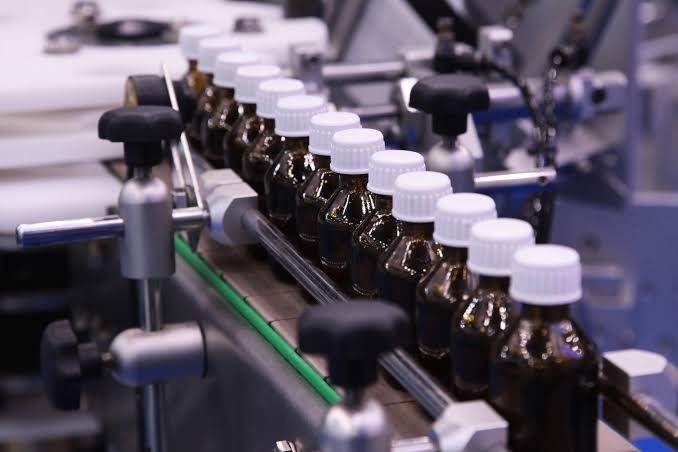
Different forms of packaging are used depending on the product type. For example, pharmaceutical bottle packaging is commonly used for tablets and liquid formulations, while sterile pharmaceutical packaging is often required for injectable medicines and medical devices. In addition, contract pharmaceutical packaging organizations support pharmaceutical companies by managing packaging operations according to regulatory requirements.
Importance
Protecting Product Quality
One of the primary purposes of pharmaceutical packaging manufacturing is to protect medicines from environmental conditions. Exposure to humidity, oxygen, light, or temperature fluctuations can affect product stability and effectiveness. Appropriate packaging helps reduce these risks throughout the product's shelf life.
Supporting Patient Safety
Packaging helps ensure that patients receive products in the intended condition. Features such as tamper-evident seals, child-resistant closures, and clear labeling contribute to safer use of pharmaceutical products.
Improving Traceability
Modern packaging systems often include batch numbers, expiration dates, barcodes, and serial numbers. These identifiers help manufacturers, distributors, healthcare facilities, and regulators track products throughout the supply chain.
Facilitating Global Distribution
Medicines are frequently transported across countries and continents. Packaging must withstand handling, shipping, and storage conditions while maintaining product protection. Pharmaceutical packaging equipment is designed to support large-scale production while maintaining consistency.
Common Pharmaceutical Packaging Types
| Packaging Type | Common Use | Key Purpose |
|---|---|---|
| Blister Packs | Tablets and capsules | Individual dose protection |
| Bottles | Tablets, capsules, liquids | Moisture and contamination protection |
| Vials | Injectable medicines | Sterility maintenance |
| Ampoules | Liquid pharmaceuticals | Secure containment |
| Sachets and Pouches | Powders and single-dose products | Portion control |
| Cartons | Secondary packaging | Product information and protection |
Recent Updates
Growth of Smart Pharmaceutical Packaging
One notable trend is the increasing use of smart pharmaceutical packaging. Packaging may include technologies such as QR codes, digital tracking systems, temperature indicators, and authentication features. These tools can improve supply chain visibility and help identify counterfeit products.
Smart packaging also provides additional information to patients and healthcare professionals through digital platforms. Scannable codes can connect users to instructions, safety information, and product details.
Sustainability Initiatives
Environmental considerations continue to influence packaging development. Many pharmaceutical packaging manufacturers are exploring recyclable materials, reduced material usage, and packaging designs that minimize waste while maintaining regulatory compliance and product protection.
The challenge lies in balancing sustainability goals with the strict safety requirements of pharmaceutical products.
Increased Automation
Advancements in pharmaceutical packaging equipment have improved automation throughout production facilities. Automated inspection systems can identify packaging defects, verify labeling accuracy, and monitor production quality.
Automation may also improve production consistency and reduce the likelihood of human error in repetitive packaging processes.
Enhanced Anti-Counterfeiting Measures
Counterfeit medicines remain a concern in many regions. Manufacturers increasingly use serialization, tamper-evident features, and track-and-trace technologies to strengthen product authentication and supply chain monitoring.
Continued Demand for Sterile Packaging
The healthcare industry continues to require sterile pharmaceutical packaging for products that must remain free from microbial contamination. Packaging technologies are evolving to support higher standards of cleanliness and sterility throughout manufacturing and distribution.
Laws or Policies
Regulatory Oversight
Pharmaceutical packaging is heavily regulated in many countries. Regulatory authorities establish standards intended to protect public health and ensure that medicines remain safe and effective throughout their intended shelf life.
Packaging materials must be compatible with pharmaceutical products and should not adversely affect product quality.
Good Manufacturing Practices
Many countries require pharmaceutical manufacturers and contract pharmaceutical packaging facilities to follow Good Manufacturing Practices (GMP). These guidelines cover areas such as:
- Quality management systems
- Documentation procedures
- Equipment maintenance
- Personnel training
- Facility cleanliness
- Product traceability
GMP requirements help create consistent manufacturing environments and reduce quality risks.
Labeling Requirements
Regulatory agencies generally require pharmaceutical packaging to include specific information, such as:
- Product name
- Batch or lot number
- Expiration date
- Storage instructions
- Manufacturer information
- Usage directions where applicable
Accurate labeling supports product identification and safe use.
Serialization and Track-and-Trace Programs
Many regions have implemented serialization requirements that assign unique identifiers to pharmaceutical products. These systems help monitor product movement through the supply chain and support efforts to reduce counterfeit medicines.
Packaging Material Standards
Packaging materials may be evaluated for characteristics such as:
- Chemical compatibility
- Barrier performance
- Sterility maintenance
- Durability
- Environmental resistance
These standards help ensure that packaging performs as intended under expected storage and transportation conditions.
Tools and Resources
Regulatory Information Platforms
Several regulatory agencies provide guidance documents, standards, and reference materials related to pharmaceutical packaging manufacturing. These resources help organizations understand packaging requirements and compliance expectations.
Examples include:
- U.S. Food and Drug Administration (FDA)
- European Medicines Agency (EMA)
- World Health Organization (WHO)
- International Council for Harmonisation (ICH)
Packaging Design Software
Packaging development teams often use computer-aided design software to create package structures, labels, and prototypes. These tools help visualize packaging before production begins.
Validation and Testing Resources
Laboratories and testing organizations conduct evaluations related to:
- Stability testing
- Package integrity testing
- Moisture barrier performance
- Sterility validation
- Transportation simulation
These assessments help determine whether packaging meets intended performance requirements.
Pharmaceutical Packaging Equipment
Modern packaging facilities may utilize various equipment categories, including:
- Blister packaging machines
- Bottle filling systems
- Cartoning equipment
- Labeling systems
- Serialization systems
- Inspection systems
Different equipment configurations are selected based on product characteristics and production requirements.
Industry Standards and Publications
Industry associations and standards organizations publish technical guidance, educational materials, and reference documents that support medical packaging manufacturing and pharmaceutical packaging development.
FAQs
What is pharmaceutical packaging manufacturing?
Pharmaceutical packaging manufacturing refers to the processes used to produce packaging that protects medicines and healthcare products. This includes packaging design, material selection, filling, sealing, labeling, inspection, and quality control activities.
What materials are commonly used in pharmaceutical bottle packaging?
Common materials include plastic polymers, glass, aluminum, and specialized barrier materials. The selected material depends on factors such as product sensitivity, storage requirements, and regulatory expectations.
How do blister packaging manufacturers protect medicines?
Blister packaging manufacturers create individual compartments that help protect tablets and capsules from moisture, contamination, and physical damage. Blister packs can also support dose organization and product identification.
What is sterile pharmaceutical packaging?
Sterile pharmaceutical packaging is designed to maintain a product's sterility until use. It is commonly used for injectable medicines, surgical products, and certain medical devices that require protection from microbial contamination.
What is contract pharmaceutical packaging?
Contract pharmaceutical packaging refers to packaging activities performed by specialized organizations on behalf of pharmaceutical companies. These operations typically follow applicable quality standards, documentation requirements, and regulatory guidelines.
Conclusion
Pharmaceutical packaging manufacturing plays a significant role in protecting medicines, supporting patient safety, and maintaining product quality throughout the supply chain. The industry includes a variety of packaging formats, materials, and technologies designed for different pharmaceutical applications. Developments such as smart pharmaceutical packaging, automation, and enhanced traceability continue to influence packaging practices. Regulatory standards, quality systems, and packaging validation processes remain important components of modern pharmaceutical and medical packaging manufacturing.