Picosecond Laser Machine Guide: Understanding Precision Technology and Modern Uses
A picosecond laser machine is a type of laser technology designed to deliver extremely short pulses of energy measured in picoseconds, which are one trillionth of a second.
This technology was developed to improve precision in medical and aesthetic procedures by targeting specific tissues while reducing the impact on surrounding areas.
Laser technology has been used in medicine and dermatology for many years. Earlier laser systems primarily relied on heat to break down unwanted pigments or tissue. The development of picosecond laser systems introduced a different approach by delivering energy in very short bursts. This creates a photoacoustic effect that can help break pigment particles into smaller fragments.
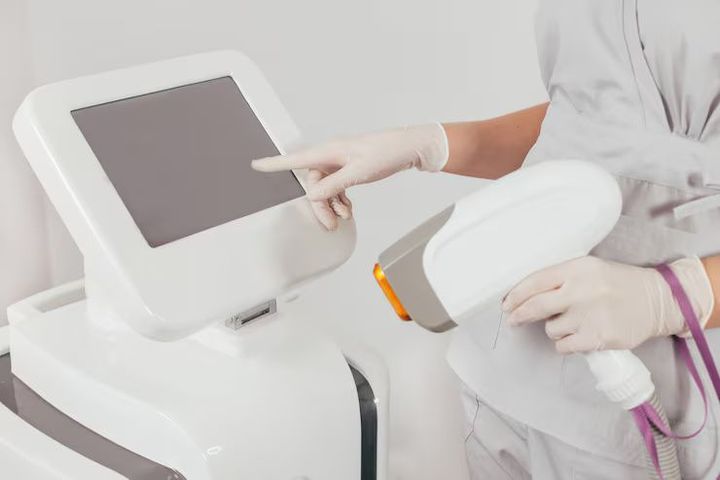
Today, various forms of medical picosecond laser equipment are used in dermatology clinics, medical facilities, and aesthetic centers. Common applications include tattoo removal, pigmentation management, and certain skin rejuvenation procedures.
As technology has evolved, different picosecond laser manufacturers have developed systems with varying wavelengths, pulse durations, and treatment capabilities. These innovations have expanded the range of conditions that can be addressed using laser-based procedures.
How Picosecond Technology Works
A picosecond laser emits energy in ultra-short pulses. These pulses interact with targeted pigment or tissue structures without relying solely on prolonged heat exposure.
The process generally involves:
- Delivering concentrated laser energy to a specific target.
- Breaking pigment particles into smaller fragments.
- Allowing the body's natural processes to gradually remove fragmented particles.
- Supporting precision treatment of selected skin concerns.
Common Types of Picosecond Laser Equipment
Different systems are designed for various applications, including:
| Equipment Type | Common Application |
|---|---|
| Picosecond laser tattoo removal machine | Tattoo pigment reduction |
| Picosecond laser skin treatment machine | Skin texture and rejuvenation procedures |
| Picosecond laser for pigmentation removal | Treatment of certain pigment-related concerns |
| Picosecond laser machine for dermatology | Broad dermatological applications |
| Picosecond laser clinic equipment | Clinical aesthetic and skin procedures |
Importance
Picosecond laser technology has become an important topic because skin-related concerns affect people of many ages and backgrounds. Pigmentation issues, unwanted tattoos, acne-related marks, and changes in skin texture are common reasons individuals explore laser-based procedures.
Addressing Pigmentation Concerns
Hyperpigmentation can develop due to sun exposure, aging, hormonal changes, or inflammation. A picosecond laser for pigmentation removal is often used to target pigment particles while allowing surrounding skin structures to remain largely unaffected.
Pigmentation concerns may include:
- Sun spots
- Age-related spots
- Certain forms of melasma
- Post-inflammatory hyperpigmentation
Treatment suitability depends on individual skin characteristics and medical evaluation.
Tattoo Removal Applications
Tattoo removal remains one of the most recognized uses of picosecond technology. Traditional tattoo removal approaches may require multiple treatment sessions because tattoo ink particles are often deeply embedded in the skin.
A picosecond laser tattoo removal machine is designed to break ink particles into smaller fragments. Different tattoo colors may respond differently depending on the laser wavelength and the composition of the ink.
Dermatology and Skin Health
A picosecond laser machine for dermatology may be used as part of broader skin management plans. Dermatologists and trained practitioners may utilize these systems for selected cosmetic and medical applications.
Potential treatment areas can include:
- Pigmentation irregularities
- Acne-related marks
- Fine lines
- Skin texture concerns
- Certain benign pigmented lesions
Why Precision Matters
One reason picosecond technology receives attention is its ability to deliver energy within an extremely short timeframe. This precision may help practitioners target specific concerns while reducing unnecessary exposure to surrounding tissue.
The importance of precision becomes particularly relevant when treating visible areas such as the face, neck, and hands.
Recent Updates
The field of laser dermatology continues to evolve. Between 2024 and 2026, several trends have shaped the development and use of picosecond laser systems.
Expanded Wavelength Options
Modern devices increasingly incorporate multiple wavelengths within a single platform. This allows practitioners to address a broader range of pigment colors and skin conditions using one system.
Different wavelengths may target:
- Dark tattoo pigments
- Red and orange pigments
- Brown pigmentation concerns
- Various skin tones
Improved Skin Rejuvenation Features
Many newer picosecond laser skin treatment machine models include fractional technology. Fractional delivery systems create microscopic treatment zones that may support skin renewal processes.
These systems are commonly used in procedures focused on:
- Texture improvement
- Scar appearance reduction
- Fine line management
- General skin rejuvenation
Focus on Diverse Skin Types
Recent developments have emphasized treatment flexibility across different skin tones. Researchers and manufacturers continue evaluating methods to improve safety considerations for a wider range of patients.
This trend reflects growing awareness of the need for personalized treatment approaches.
Integration of Digital Controls
Modern medical picosecond laser equipment increasingly incorporates digital interfaces and software controls. These features can assist practitioners in adjusting treatment settings according to clinical needs.
Examples include:
- Adjustable pulse settings
- Treatment parameter tracking
- Patient record integration
- Enhanced calibration systems
Ongoing Clinical Research
Research continues to examine the effectiveness of picosecond technology for various dermatological concerns. Studies often focus on pigmentation disorders, scar appearance, tattoo removal outcomes, and skin rejuvenation applications.
Laws or Policies
The use of laser medical devices is generally regulated by government agencies responsible for healthcare products and medical technology. Regulations vary by country, but several common principles apply.
Medical Device Approval
Medical picosecond laser equipment typically falls under medical device regulations. Manufacturers must generally demonstrate compliance with applicable safety and performance requirements before equipment can be distributed within a regulated market.
Regulatory authorities may review factors such as:
- Device safety
- Technical specifications
- Manufacturing quality systems
- Clinical evidence where required
Practitioner Requirements
In many jurisdictions, laser procedures may only be performed by licensed healthcare professionals or trained personnel operating under approved guidelines.
Requirements may involve:
- Professional qualifications
- Device-specific training
- Patient assessment procedures
- Safety protocols
Patient Safety Standards
Laser facilities are often expected to follow safety measures designed to reduce risk.
These measures may include:
- Protective eyewear
- Treatment documentation
- Maintenance procedures
- Infection prevention protocols
- Emergency response procedures
Advertising and Information Rules
Many countries regulate how medical and aesthetic procedures can be described to the public. Information provided about picosecond laser clinic equipment and treatments generally must avoid misleading claims and unsupported outcomes.
Healthcare regulators may require promotional materials to remain factual and evidence-based.
Tools and Resources
Individuals researching picosecond laser technology may find several educational resources useful for understanding procedures and equipment.
Medical and Dermatology Organizations
Professional dermatology organizations often publish educational materials about laser treatments, skin conditions, and patient safety considerations.
Examples include:
- Dermatology association websites
- Medical society publications
- Clinical practice guidelines
- Patient information resources
Regulatory Agency Websites
Government health authorities often provide information about medical device regulation, safety standards, and approved technologies.
These resources can help readers understand how medical picosecond laser equipment is evaluated and monitored.
Scientific Research Databases
Research databases contain peer-reviewed studies examining laser applications and treatment outcomes.
Commonly used resources include:
- PubMed
- Google Scholar
- University medical libraries
- Clinical research journals
Skin Assessment Resources
Some dermatology organizations provide educational tools that explain:
- Skin types
- Pigmentation conditions
- Sun protection practices
- General skin health information
These resources can help individuals understand factors that may influence laser treatment decisions.
FAQs
What is a picosecond laser machine?
A picosecond laser machine is a laser device that emits energy in pulses lasting one trillionth of a second. It is commonly used for tattoo removal, pigmentation management, and selected dermatological procedures.
How does a picosecond laser tattoo removal machine work?
A picosecond laser tattoo removal machine delivers short bursts of energy that break tattoo ink particles into smaller fragments. The body gradually removes these fragments over time through natural processes.
What conditions can a picosecond laser skin treatment machine address?
A picosecond laser skin treatment machine may be used for concerns such as pigmentation irregularities, acne-related marks, skin texture issues, fine lines, and certain cosmetic dermatology procedures. Treatment suitability depends on individual circumstances.
Is medical picosecond laser equipment used only for cosmetic purposes?
No. While many applications are aesthetic in nature, medical picosecond laser equipment may also be used in dermatology for the management of selected skin conditions involving pigmentation and tissue changes.
Why do picosecond laser manufacturers develop multiple wavelengths?
Different pigments and skin concerns respond differently to various laser wavelengths. Picosecond laser manufacturers often develop systems with multiple wavelength options to support a wider range of dermatological and pigmentation-related applications.
Conclusion
Picosecond laser technology represents an advancement in laser-based dermatology and aesthetic medicine. By delivering energy in extremely short pulses, these systems are designed to target pigments and selected skin concerns with a high degree of precision. Applications include tattoo removal, pigmentation management, skin rejuvenation procedures, and broader dermatological uses. Ongoing research, regulatory oversight, and technological developments continue to shape how picosecond laser machines are used in modern clinical settings.