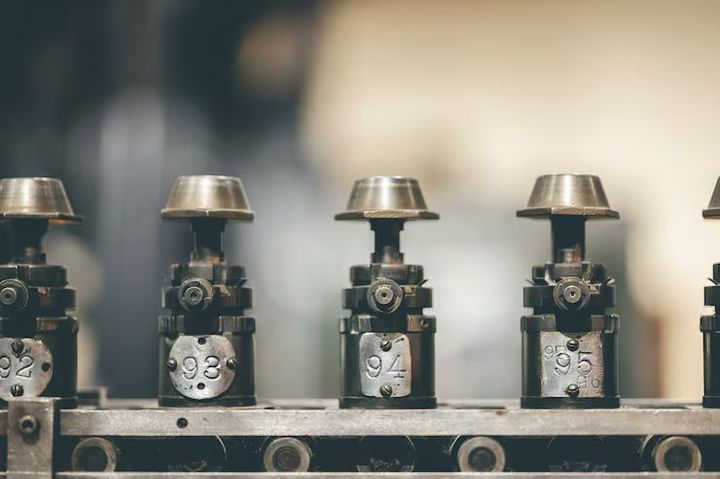
Piston Manufacturing Machines: Complete Guide to Modern Engine Component Production
Piston manufacturing machines are specialized industrial systems used to produce pistons, one of the most critical components in internal combustion engines. Pistons convert expanding gas energy into mechanical motion, allowing engines to power vehicles, industrial equipment, and various mechanical systems.
Piston manufacturing machines play a critical role in producing high-precision engine components. These machines ensure that pistons can withstand extreme pressure, heat, and friction inside engine cylinders.
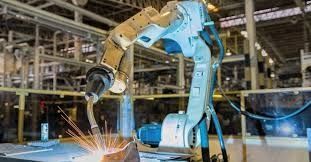
Modern production relies on advanced technologies such as CNC machining, forging systems, casting equipment, and automated inspection tools. These technologies help manufacturers maintain both accuracy and large-scale production efficiency.
Key Stages in Piston Manufacturing
The piston production process involves multiple carefully controlled steps. Each stage contributes to the final quality and durability of the component.
- Raw material preparation
- Forging or casting of piston blanks
- Precision machining
- Heat treatment
- Surface finishing
- Quality inspection
Industries That Use Pistons
Pistons are essential across several industrial sectors. Their reliability directly impacts machine and engine performance.
- Automotive engineering
- Heavy machinery manufacturing
- Aerospace technology
- Marine engines
- Industrial power equipment
Why Piston Manufacturing Technology Matters Today
The demand for efficient and durable engines has increased the importance of piston manufacturing technology. High-quality pistons help improve engine reliability, fuel efficiency, and lifespan.
Modern engines operate under extreme conditions, making precision manufacturing essential. Even minor defects can lead to performance issues or engine failure.
Key Benefits of Advanced Piston Manufacturing
Advanced manufacturing techniques help solve critical engineering challenges.
- Reduced engine friction and wear
- Improved fuel efficiency
- Lower emissions
- Increased engine lifespan
Industry Applications
Several industries benefit from high-precision piston production.
- Automotive manufacturers focus on fuel-efficient engines
- Industrial sectors rely on heavy-duty pistons
- Aviation and marine industries require strict quality standards
- Power generation systems use pistons in compressors and generators
Recent Developments in Piston Manufacturing Technology
Recent advancements have transformed piston manufacturing into a highly automated and intelligent process. Smart factory technologies are now widely used to improve production efficiency.
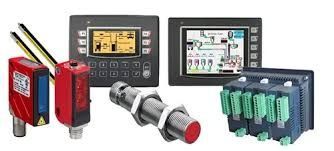
Manufacturers are integrating sensors and IIoT systems to monitor machine performance in real time. These systems help reduce errors and improve consistency.
Key Trends in 2025
Several trends are shaping the future of piston production.
- AI-driven quality inspection systems
- Lightweight aluminum alloy pistons
- Multi-axis CNC machining centers
- Digital twins for simulation
- Robotic assembly systems
Innovation Highlights
New technologies are improving piston durability and performance. Hybrid piston designs and advanced coatings are becoming more common.
Thermal barrier coatings reduce heat transfer and enhance efficiency. Advanced metrology systems also ensure micron-level accuracy in production.
Regulations and Manufacturing Standards
Piston manufacturing follows strict regulations to ensure safety and quality. These standards also address environmental and operational concerns.
Manufacturers must comply with both national and international guidelines. These frameworks help maintain consistent production practices.
Key Regulatory Areas
- Workplace safety standards
- Environmental regulations
- Manufacturing quality standards
- Automotive emission regulations
Important Standards
The following standards are commonly followed in piston manufacturing:
- ISO 9001 (Quality Management)
- ISO 14001 (Environmental Management)
- IATF 16949 (Automotive Quality)
- Bureau of Indian Standards (BIS) in India
Environmental Considerations
Modern facilities aim to reduce environmental impact. Energy-efficient machining and metal recycling are widely adopted.
Government initiatives also support Industry 4.0 adoption. These policies encourage automation and sustainable manufacturing.
Tools and Digital Resources for Piston Manufacturing
Modern piston production relies heavily on digital tools and automation systems. These tools help engineers design, simulate, and manufacture components efficiently.
Software and monitoring systems improve both accuracy and productivity.
Common Tools Used
- CAD software for design
- CAM software for machining planning
- CNC systems for automation
- Metrology systems for measurement
- Simulation platforms for testing
- Production monitoring dashboards
Popular Software Solutions
- SolidWorks
- AutoCAD
- Siemens NX
- Mastercam
- CATIA
Comparison of Manufacturing Methods
| Manufacturing Method | Typical Material | Accuracy Level | Common Application |
|---|---|---|---|
| Forging | Aluminum Alloy | Very High | Automotive engines |
| Casting | Aluminum Alloy | Moderate | Standard engines |
| CNC Machining | Multiple metals | Extremely High | Precision engines |
Performance Metrics in Manufacturing
| Performance Indicator | Manufacturing Focus |
|---|---|
| Machining Accuracy | Precision control |
| Tool Life Monitoring | Machine efficiency |
| Production Speed | Industrial output |
| Quality Inspection | Product reliability |
Frequently Asked Questions About Piston Manufacturing Machines
What materials are commonly used?
Most pistons are made from aluminum alloys due to their strength and lightweight properties. Some heavy-duty applications use steel or specialized alloys.
What machines are used in production?
Piston manufacturing involves forging presses, CNC machines, grinding equipment, heat treatment systems, and inspection tools.
Why is precision important?
Precise dimensions ensure proper fit within engine cylinders. Small variations can reduce efficiency and cause wear.
How does automation help?
Automation improves consistency and reduces human error. Monitoring systems enhance production efficiency.
Are pistons used in electric vehicles?
Electric vehicles do not use traditional pistons. However, pistons remain essential in hybrid vehicles and industrial engines.
Additional Technical Insights into Manufacturing Processes
Modern piston manufacturing combines forging and machining to achieve strength and precision. Forged pistons are preferred in high-performance engines due to their superior structure.
Advanced machining techniques ensure accurate shaping and finishing.
Key Machining Processes
- CNC turning for shaping
- Groove machining for piston rings
- Diamond tool finishing
- Heat treatment for strength
Surface Treatment Technologies
Surface coatings enhance piston performance and durability.
- Graphite coatings for reduced friction
- Ceramic coatings for heat resistance
- Anodizing for corrosion protection
Conclusion
Piston manufacturing machines are essential for producing high-performance engine components. They ensure precision, durability, and efficiency in demanding operating conditions.
Advancements in automation, materials, and digital technologies continue to improve manufacturing capabilities. These innovations support industries ranging from automotive to power generation.
As engine technology evolves, piston manufacturing will remain a key part of modern engineering and industrial production.