Plasma Dialysis Treatments Overview: Essential Facts, Medical Applications, and Patient Care
Plasma dialysis treatment is a broad term used to describe medical procedures that remove, separate, or filter plasma from blood for specific clinical purposes. It is different from conventional kidney dialysis, although both involve specialized medical equipment and controlled blood circulation outside the body.
These procedures are typically performed in hospitals or dialysis treatment centers under the supervision of trained healthcare professionals.
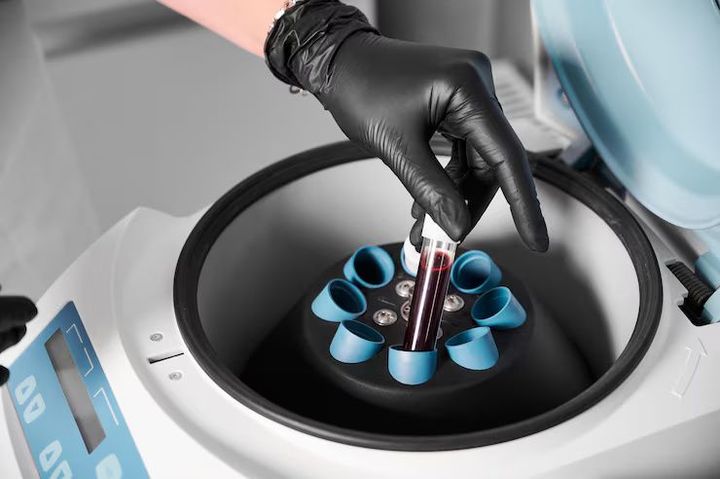
One commonly used technique is therapeutic plasma exchange, in which plasma containing unwanted substances is removed and replaced with an appropriate replacement fluid. Another related approach is plasma filtration therapy, which filters plasma through specialized membranes before it is returned to the bloodstream. These procedures are intended for carefully selected medical conditions rather than routine healthcare.
Advances in dialysis machine manufacturers and biomedical engineering have improved the precision, monitoring, and safety features of equipment used in plasma-related therapies. Modern systems include multiple sensors that monitor blood flow, pressure, and filtration performance throughout treatment.
How Plasma-Based Therapies Developed
Blood purification methods have evolved through decades of medical research. Early techniques focused mainly on kidney failure, while later developments expanded into plasma separation for certain immune-related and neurological disorders.
As technology improved, medical teams gained access to more accurate pumps, filtration membranes, and computerized monitoring systems. These developments helped support wider clinical applications while maintaining careful observation throughout each procedure.
Plasma Dialysis Compared With Kidney Dialysis
Although the names sound similar, plasma dialysis treatment and kidney dialysis have different purposes.
| Procedure | Primary Purpose | Main Target |
|---|---|---|
| Plasma dialysis treatment | Removes or filters plasma components | Plasma |
| Kidney dialysis | Removes waste and excess fluid | Blood through artificial kidney filters |
| Therapeutic plasma exchange | Replaces separated plasma | Plasma proteins and antibodies |
| Plasma filtration therapy | Filters plasma before returning it | Selected plasma substances |
Understanding these differences helps explain why each procedure is used in different medical situations.
Importance
Why These Treatments Matter
Plasma-related therapies provide additional treatment options for patients whose medical conditions involve abnormal substances circulating in plasma. These substances may include certain antibodies, proteins, or other components identified during medical evaluation.
Healthcare teams carefully determine whether therapeutic plasma exchange or plasma filtration therapy is appropriate based on clinical guidelines and individual patient assessment.
Supporting Complex Medical Care
Modern hospitals manage a wide range of medical conditions that sometimes require specialized blood purification methods. Plasma dialysis treatment may become part of a broader treatment plan rather than functioning as a standalone approach.
The procedure is often combined with laboratory testing, imaging, medications, and ongoing clinical observation.
Role of Technology
Advances by dialysis machine manufacturers have contributed to improved monitoring capabilities. Modern equipment continuously tracks multiple treatment parameters to support accurate operation throughout the procedure.
Examples of monitored factors include:
- Blood flow rate
- Plasma separation efficiency
- Pressure levels
- Fluid balance
- Alarm functions
- Treatment duration
These monitoring features help clinical teams supervise each treatment session.
Patient Safety Considerations
Every medical procedure carries potential risks and benefits. Before plasma-related therapies begin, healthcare professionals evaluate medical history, laboratory findings, and overall health status.
Patients are generally monitored before, during, and after treatment to observe changes in vital signs and laboratory measurements.
Recent Updates
Improved Digital Monitoring
Current equipment increasingly incorporates digital monitoring systems that assist healthcare professionals in observing treatment conditions. Display screens provide real-time information regarding blood circulation and filtration performance.
These developments support consistent documentation and clinical observation throughout treatment.
More Efficient Filtration Membranes
Research continues to improve membrane materials used during plasma filtration therapy. Modern membranes are designed to separate plasma efficiently while maintaining compatibility with medical equipment.
Ongoing engineering work focuses on durability, filtration consistency, and compatibility with different clinical settings.
Greater Equipment Integration
Many newer systems can communicate with hospital information platforms. Digital record integration supports treatment documentation, maintenance records, and quality management processes.
Such integration reflects broader healthcare technology trends rather than changes in the medical purpose of plasma therapies.
Expanded Clinical Research
Medical researchers continue evaluating plasma purification methods across various disease categories. Current research examines patient selection, treatment timing, and long-term clinical outcomes.
These investigations help refine existing treatment guidelines while maintaining evidence-based practice.
Equipment Design Developments
Dialysis machine manufacturers continue improving ergonomics, touchscreen interfaces, automated safety checks, and diagnostic functions. These developments support healthcare professionals during routine operation and equipment maintenance.
Laws or Policies
Medical Device Regulations
Equipment used for plasma dialysis treatment is regulated as medical equipment in many countries. Regulatory authorities review device safety, manufacturing quality, and clinical performance before equipment enters healthcare facilities.
Specific regulatory agencies differ by country.
Hospital Standards
Hospitals and dialysis treatment centers generally follow established clinical protocols for infection prevention, equipment maintenance, patient identification, and documentation.
These protocols help maintain consistency across treatment environments.
Quality Management
Medical facilities commonly implement quality management systems covering equipment inspection, calibration, cleaning procedures, and staff training.
Routine audits and internal reviews help verify compliance with institutional requirements.
Patient Rights
Healthcare regulations in many countries emphasize informed consent, privacy protection, medical record confidentiality, and communication regarding planned medical procedures.
These principles apply broadly across many areas of healthcare, including plasma-based therapies.
Tools and Resources
Clinical Practice Guidelines
Professional medical organizations publish clinical guidelines describing when therapeutic plasma exchange and plasma filtration therapy may be considered. These documents summarize current medical evidence.
Medical Literature Databases
Scientific databases contain peer-reviewed research discussing blood purification methods, equipment design, and clinical outcomes.
Examples include journal databases maintained by universities, research institutions, and medical libraries.
Hospital Educational Materials
Many hospitals prepare educational documents explaining preparation, treatment expectations, and recovery considerations for patients scheduled for plasma-related procedures.
These materials use straightforward language suitable for patients and families.
Medical Device Regulatory Websites
National regulatory agencies publish information regarding approved medical equipment, safety communications, and manufacturing standards relevant to dialysis machine manufacturers.
Professional Medical Associations
Organizations representing nephrology, hematology, intensive care, and transfusion medicine regularly publish educational materials, conference proceedings, and clinical recommendations.
FAQs
What is plasma dialysis treatment?
Plasma dialysis treatment refers to medical procedures that remove, separate, or filter plasma from blood for specific clinical purposes. It differs from conventional kidney dialysis because the primary focus is plasma rather than waste removal by the kidneys.
What is therapeutic plasma exchange?
Therapeutic plasma exchange separates plasma from blood cells, removes the plasma, and replaces it with an appropriate replacement fluid before returning blood cells to the patient.
How does plasma filtration therapy work?
Plasma filtration therapy separates plasma and passes it through specialized filtration membranes that remove selected substances before the filtered plasma returns to circulation.
Where are these procedures performed?
These treatments are generally carried out in hospitals or dialysis treatment centers equipped with specialized medical equipment and trained clinical personnel.
What role do dialysis machine manufacturers play?
Dialysis machine manufacturers develop equipment used for blood purification procedures. Modern systems include monitoring technology, automated safety functions, and computerized controls that support clinical operation.
Conclusion
Plasma dialysis treatment includes specialized blood purification techniques such as therapeutic plasma exchange and plasma filtration therapy. These procedures differ from conventional kidney dialysis and are used for carefully selected medical conditions within structured clinical settings. Advances in dialysis machine manufacturers and medical engineering continue to improve monitoring systems and equipment performance. Clinical decisions remain based on individual patient evaluation, current medical evidence, and established healthcare guidelines.