Plastic Extrusion Basics: Informative Guide to Process Knowledge and Material Insights
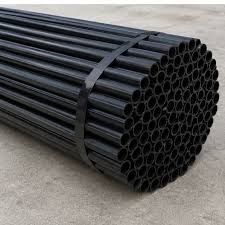
Plastic extrusion is a manufacturing method used to shape melted plastic into continuous forms such as pipes, sheets, tubing, films, and profiles.
The process has been used for decades in industries that require lightweight, durable, and consistent plastic products. Today, plastic extrusion supports sectors such as packaging, transportation, construction, healthcare, and electronics.
The plastic extrusion process begins when plastic raw material, often in pellet form, enters a heated barrel. Inside the equipment, rotating screws move and melt the material before pushing it through a shaped opening called a die. As the material exits the die, it cools and hardens into a finished shape. Different forms of plastic extrusion machines are used depending on the final product.
Several machine types exist for different applications. A PVC pipe extrusion machine produces water and drainage pipes, while a plastic sheet extrusion machine creates flat plastic sheets used in packaging and construction materials. A plastic profile extrusion machine is commonly used for window frames, trims, and cable channels. These systems are often part of larger industrial plastic extrusion systems designed for continuous production.
Plastic extrusion machine manufacturers develop equipment with different screw designs, automation features, and temperature controls. Two common systems are the single screw extrusion machine and the twin screw plastic extruder. Each design handles materials differently depending on the processing requirements.
Importance
Plastic extrusion matters because many everyday products rely on extruded plastic components. Water pipes, food packaging films, insulation coverings, automotive trim, and medical tubing are examples of items produced through extrusion methods. The process supports large-scale manufacturing while maintaining consistent dimensions and material flow.
Common Products Made Through Plastic Extrusion
Extrusion technology is used in many sectors because it can produce long, continuous shapes efficiently. Common applications include:
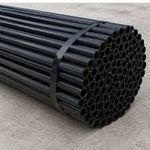
- Pipes and tubing for plumbing and irrigation
- Plastic sheets for packaging and signage
- Window frames and door profiles
- Wire and cable insulation
- Automotive interior and exterior parts
- Flexible packaging films
Plastic extrusion for automotive industry applications has expanded due to the demand for lightweight materials. Extruded plastic components can help reduce overall vehicle weight while supporting durability and corrosion resistance.
Role of Plastic Extrusion Process Equipment
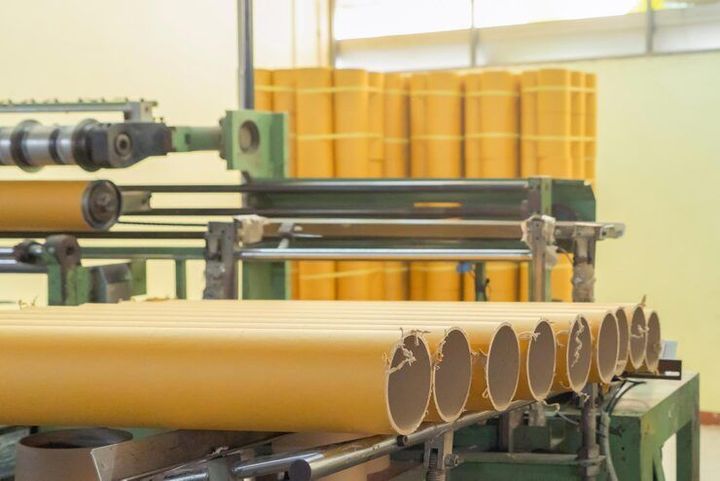
Plastic extrusion process equipment includes feeders, extruders, dies, cooling tanks, cutters, pullers, and winding systems. Each component contributes to maintaining product consistency and production stability.
The table below shows common extrusion equipment and their functions:
| Equipment Component | Main Function |
|---|---|
| Hopper | Feeds raw plastic material |
| Extruder barrel | Heats and melts plastic |
| Screw system | Moves and mixes material |
| Die | Shapes melted plastic |
| Cooling tank | Solidifies the product |
| Puller unit | Maintains product movement |
| Cutter or winder | Finishes final output |
Industrial plastic extrusion systems often include automated monitoring systems that track pressure, temperature, and material flow. These controls help reduce material waste and improve consistency.
Single Screw and Twin Screw Systems
A single screw extrusion machine is commonly used for simpler materials and continuous production applications. It contains one rotating screw that melts and transports the plastic material.
A twin screw plastic extruder uses two interlocking screws. This design can improve mixing, temperature control, and handling of blended materials. Twin screw systems are often used for more complex formulations or recycled plastics.
Recent Updates
From 2024 to 2026, the plastic extrusion industry has continued adapting to environmental regulations, material innovation, and digital manufacturing systems. Manufacturers and production facilities are focusing on improving efficiency while reducing material waste and energy use.
Growth of Recycled Material Processing
One notable trend is the increased use of recycled plastics in extrusion lines. Many modern plastic extrusion machines are now designed to process recycled polyethylene, polypropylene, and PVC materials alongside virgin plastics.
Twin screw systems have become more common in recycling-related applications because they improve material mixing and support additives used for stabilization.
Automation and Monitoring Systems
Recent developments in industrial plastic extrusion systems include:
- Digital temperature monitoring
- Automated thickness measurement
- Real-time pressure tracking
- Material flow sensors
- Remote production monitoring
These features support more stable production and reduce interruptions caused by inconsistent processing conditions.
Expansion of Packaging Applications
A plastic extrusion line for packaging is increasingly used for flexible films, protective wrapping, and multilayer packaging materials. Packaging manufacturers are exploring thinner materials while maintaining strength and durability.
Some extrusion systems now process biodegradable or partially plant-based plastics, although these materials still require specific temperature and handling conditions.
Energy Efficiency Improvements
High efficiency plastic extrusion machines are becoming more common as manufacturers seek to reduce electricity consumption. Newer systems may include:
- Improved barrel insulation
- Variable-speed motors
- Optimized heating zones
- Energy monitoring software
These changes help reduce energy loss during long production cycles.
Laws or Policies
Plastic extrusion operations are affected by environmental, workplace, and product safety regulations in many countries. Rules vary depending on the region and the type of plastic product being manufactured.
Environmental Regulations
Many governments now regulate plastic waste, recycling targets, and emissions from industrial manufacturing. Extrusion facilities may need to follow requirements related to:
- Air quality management
- Waste plastic handling
- Water usage during cooling
- Recycling and material recovery
- Energy reporting standards
In several regions, recycled content requirements for packaging materials have influenced the design of plastic extrusion line for packaging systems.
Product Safety Standards
Products created through extrusion often need to meet industry-specific standards. For example:
- PVC pipes may require pressure and durability testing
- Food packaging films may need material safety compliance
- Automotive plastic components may require heat and impact testing
Regulatory organizations and testing agencies help establish these guidelines for manufacturers and suppliers.
Workplace and Machinery Safety
Plastic extrusion machines involve high temperatures, moving mechanical parts, and electrical systems. Workplace safety rules often include:
- Machine guarding requirements
- Emergency stop systems
- Operator training procedures
- Ventilation controls
- Noise management practices
Modern extrusion equipment increasingly includes automatic shutdown systems and safety sensors designed to reduce operational risks.
Tools and Resources
Several digital tools and educational resources help people understand plastic extrusion systems and material processing.
Technical Resources
Industry organizations and educational institutions publish information about extrusion methods, material properties, and processing standards. Common resources include:
- Material compatibility charts
- Polymer data sheets
- Processing temperature guides
- Extrusion troubleshooting manuals
- Equipment maintenance schedules
Design and Simulation Software
Some production facilities use simulation software to model material flow and product dimensions before production begins. These programs help evaluate factors such as:
- Wall thickness
- Cooling performance
- Material shrinkage
- Screw configuration
- Die design
Monitoring Platforms
Modern high efficiency plastic extrusion machines may include integrated monitoring platforms that display production information in real time. Operators can track:
- Output speed
- Temperature stability
- Energy usage
- Material pressure
- Product dimensions
These systems support process consistency across large production runs.
Educational Platforms
Online learning platforms, engineering associations, and manufacturing publications provide introductory information about plastic extrusion process equipment and material science. Many resources explain the differences between extrusion systems, polymer types, and processing conditions using diagrams and technical examples.
FAQs
What is plastic extrusion?
Plastic extrusion is a manufacturing process where melted plastic is pushed through a shaped die to create continuous products such as pipes, sheets, tubing, and films. The material cools after shaping and forms a solid product.
How does a PVC pipe extrusion machine work?
A PVC pipe extrusion machine melts PVC material inside a heated barrel using rotating screws. The melted plastic passes through a pipe-shaped die and then moves through cooling and sizing equipment before cutting.
What is the difference between a twin screw plastic extruder and a single screw extrusion machine?
A single screw extrusion machine uses one rotating screw for melting and moving material. A twin screw plastic extruder uses two screws, which can improve mixing, temperature control, and handling of blended or recycled plastics.
Where is a plastic sheet extrusion machine commonly used?
A plastic sheet extrusion machine is used in packaging, construction panels, signage materials, automotive interiors, and protective plastic layers. The process creates flat plastic sheets with controlled thickness.
What products are made using a plastic profile extrusion machine?
A plastic profile extrusion machine produces shaped plastic products such as window frames, cable channels, decorative trims, edge protectors, and structural profiles used in construction and electrical applications.
Conclusion
Plastic extrusion is an important manufacturing process used to create many products found in daily life. Different types of plastic extrusion machines support applications ranging from packaging films to automotive components and PVC piping. Advances in automation, recycling technology, and energy management continue shaping the development of industrial plastic extrusion systems. Understanding the basic process, equipment types, and regulatory considerations helps explain how extrusion supports modern manufacturing across multiple industries.