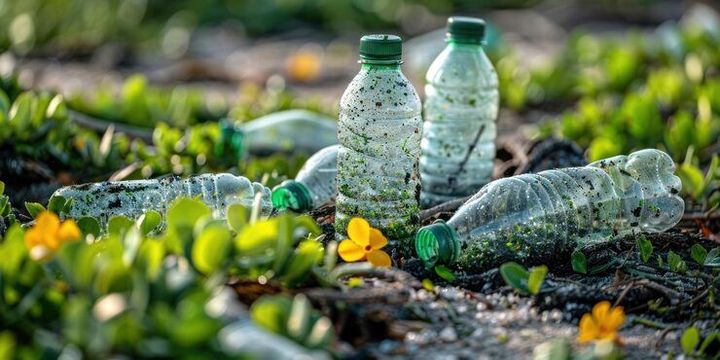
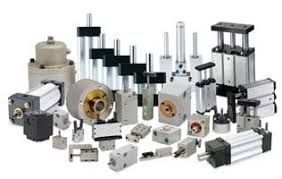
Modern recycling plants use advanced machinery and automated systems to sort, clean, shred, melt, and reform plastic into pellets or flakes. These materials are reintroduced into manufacturing cycles, reducing reliance on virgin plastic production.
Plastic recycling primarily focuses on common polymer types that are widely used in packaging and manufacturing.
Common Types of Plastics Recycled
-
PET (Polyethylene Terephthalate)
-
HDPE (High-Density Polyethylene)
-
LDPE (Low-Density Polyethylene)
-
PP (Polypropylene)
-
PS (Polystyrene)
Recycling plants support the circular economy by extending the lifecycle of plastic materials instead of discarding them after single use.
Recycling Process Flow
The plastic recycling process follows a structured sequence of stages to ensure efficiency and material quality.
| Stage | Purpose |
|---|
| Collection | Gather plastic waste from various sources |
| Sorting | Separate plastics by type and color |
| Shredding | Reduce size into smaller pieces |
| Washing | Remove contaminants |
| Melting & Extrusion | Convert plastic into pellets or flakes |
| Quality Testing | Ensure material consistency |
These systems combine mechanical engineering, environmental science, and industrial automation.
Importance of Plastic Recycling Plants
Plastic recycling plants play a key role in environmental protection and resource efficiency. Rising global plastic waste is placing pressure on landfills, oceans, and ecosystems.
Why This Topic Matters
-
Governments are enforcing stricter waste management regulations
-
Businesses are adopting ESG (Environmental, Social, Governance) standards
-
Consumers demand environmentally responsible products
-
Climate change concerns highlight reducing fossil-fuel-based plastics
Recycling plants also impact multiple stakeholders across industries and communities.
Key Beneficiaries
-
Municipal waste management authorities
-
Environmental policy makers
-
Manufacturing industries
-
Packaging companies
-
Local communities
Environmental Benefits
-
Reduces landfill waste
-
Lowers greenhouse gas emissions
-
Decreases reliance on virgin plastics
-
Supports circular economy initiatives
Advanced recycling technologies also drive innovation in automation and sustainable manufacturing.
Recent Updates (2025)
Plastic recycling systems have experienced significant advancements in 2025, particularly in technology and policy.
Key Technological Trends
-
Expansion of AI-powered optical sorting systems
-
Growth in robotic automation for material separation
-
Development of advanced extrusion systems
-
Increased adoption of digital waste tracking systems
Smart recycling plants are integrating Industrial IoT to monitor performance, energy use, and output quality in real time.
Industry Developments
-
Increased investment in chemical recycling technologies
-
Growth of closed-loop recycling models
-
Collaboration between manufacturers and recycling facilities
Global environmental discussions in 2025 are accelerating policies to reduce plastic waste and improve recycling rates.
Laws and Policies
Plastic recycling plants operate under strict environmental and industrial regulations that vary by country. These policies ensure safe operations and environmental protection.
Common Regulatory Requirements
-
Environmental protection regulations
-
Waste management licensing
-
Air and water quality standards
-
Occupational health and safety rules
-
Hazardous material handling guidelines
Global Policy Examples
-
United States: EPA regulations for waste and emissions
-
European Union: Circular Economy Action Plan
-
Asia: Extended Producer Responsibility (EPR) programs
Governments are also encouraging infrastructure upgrades and digital monitoring systems.
Tools and Resources
Modern recycling plants rely on advanced machinery, automation tools, and digital systems for efficient operations.
Key Technologies
-
Optical sorting systems with NIR sensors
-
Conveyor belt automation
-
Industrial shredders and granulators
-
Extrusion and pelletizing machines
-
Air filtration systems
-
Digital waste management software
Digital Applications
-
Waste tracking and reporting
-
Carbon footprint analysis
-
ESG compliance documentation
-
Production monitoring
Technology Overview Table
| Technology Type | Function |
|---|
| Optical Sorters | Identify and separate plastic types |
| Granulators | Reduce plastic into uniform fragments |
| Extruders | Melt and reshape plastic material |
| Pelletizers | Produce standardized plastic pellets |
| IoT Monitoring Systems | Track efficiency and maintenance needs |
Data analytics and predictive maintenance tools help optimize performance and reduce downtime.
Frequently Asked Questions
What types of plastics can recycling plants process?
Most plants process PET, HDPE, LDPE, PP, and PS plastics. Advanced facilities may also handle mixed or contaminated plastics using chemical recycling.
What is the difference between mechanical and chemical recycling?
Mechanical recycling involves shredding, washing, and melting plastic into new products. Chemical recycling breaks plastics into molecular components for higher purity materials.
How do recycling plants ensure material quality?
Quality control includes sorting verification, contamination removal, and testing for material consistency and uniformity.
Why is plastic recycling important for climate goals?
Recycling reduces the need for new plastic production, which depends on fossil fuels. This helps lower greenhouse gas emissions.
What challenges do recycling plants face?
-
Contamination in waste streams
-
Mixed plastic materials
-
Fluctuating waste volumes
-
Regulatory compliance requirements
Environmental and Economic Insights
Plastic recycling supports sustainable manufacturing and resource conservation. Its effectiveness depends on proper waste collection systems and public participation.
Key Performance Factors
-
Effective sorting at the source
-
Public awareness initiatives
-
Industrial automation
-
Government policy support
Environmental Impact Table
| Impact Area | Priority Level |
|---|
| Waste Reduction | High |
| Emission Control | High |
| Energy Efficiency | Moderate |
| Water Conservation | Moderate |
Modern plants increasingly use energy-efficient systems and advanced filtration technologies to improve sustainability.
Conclusion
Plastic recycling plants are essential for modern waste management and sustainable manufacturing. They convert plastic waste into reusable materials, reducing environmental impact and conserving resources.
In 2025, advancements in AI, automation, and environmental regulations are shaping the future of recycling infrastructure. Governments and industries are focusing on circular economy strategies and improved waste systems.
Understanding recycling processes helps individuals and organizations make better sustainability decisions. As global awareness grows, recycling plants will remain critical to managing plastic waste efficiently.