Port Systems Guide: Insights, Information, and Industry Trends
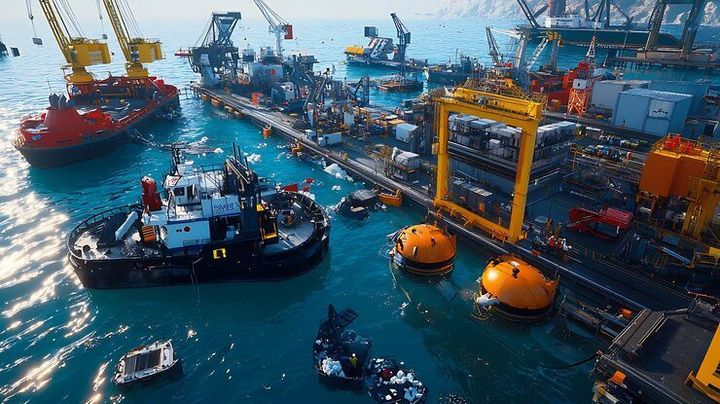
Port systems are integrated networks of infrastructure, technologies, operational processes, and transportation connections that facilitate the movement of goods and passengers between sea, land, and sometimes air transport networks. They serve as critical gateways for international trade, supporting imports, exports, logistics operations, and economic development.
The importance of port systems has increased significantly in recent years due to the growth of global trade, e-commerce expansion, supply chain diversification, and rising demand for faster cargo movement. Events such as supply chain disruptions, geopolitical tensions, and changing trade patterns have highlighted the strategic role ports play in maintaining economic stability and ensuring uninterrupted commerce.
Modern ports are no longer simply locations where ships load and unload cargo. They have evolved into highly sophisticated logistics hubs that integrate automation, digital tracking, artificial intelligence, customs processing, and multimodal transportation systems. Governments and private operators worldwide are investing heavily in smart port technologies to improve efficiency, sustainability, and resilience.
As international trade volumes continue to expand, understanding port systems is increasingly important for businesses, logistics professionals, policymakers, and infrastructure planners seeking to improve supply chain performance and competitiveness.
Who It Affects and What Problems It Solves
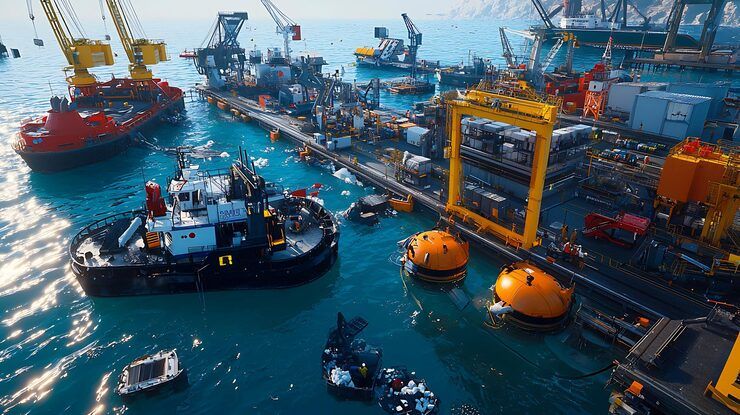
Port systems affect a wide range of stakeholders across the global economy. Shipping companies rely on ports for vessel operations, cargo handling, and logistics coordination. Manufacturers depend on efficient port operations to receive raw materials and export finished products. Importers, exporters, freight forwarders, customs agencies, and transportation providers are also directly impacted by port performance.
Consumers may not interact directly with port systems, but they experience the effects through product availability, delivery timelines, and pricing. Delays at major ports can create ripple effects throughout supply chains, leading to inventory shortages and increased transportation costs.
Problems Port Systems Solve
Modern port systems address several important challenges:
- Facilitate international trade and economic growth.
- Reduce transportation bottlenecks.
- Improve cargo visibility and tracking.
- Support multimodal logistics integration.
- Enhance customs and border processing efficiency.
- Increase supply chain resilience.
- Reduce vessel waiting times.
- Improve safety and security standards.
- Support environmental sustainability initiatives.
- Enable large-scale movement of goods at lower costs.
Without efficient port systems, global commerce would face significantly higher costs, longer delivery times, and reduced economic productivity.
Recent Updates and Industry Trends
The past year has seen several notable developments in port operations and maritime logistics.
Smart Port Adoption
Ports worldwide continue investing in digital transformation initiatives. Technologies such as Internet of Things (IoT) sensors, artificial intelligence, predictive analytics, and digital twins are helping operators optimize vessel scheduling, cargo handling, and resource allocation.
Automation Expansion
Automated cranes, autonomous guided vehicles (AGVs), and robotic container handling systems are becoming more common in major ports. These technologies improve operational efficiency while helping address labor shortages and increasing cargo volumes.
Sustainability Initiatives
Environmental regulations and climate goals are encouraging ports to reduce emissions through electrification, shore power systems, renewable energy adoption, and cleaner cargo-handling equipment.
Supply Chain Resilience Programs
Following recent global disruptions, governments and logistics providers are focusing on infrastructure modernization and capacity expansion projects to improve resilience against future shocks.
Cybersecurity Investments
As ports become increasingly digital, cybersecurity has become a major priority. Port operators are strengthening network security, monitoring systems, and incident response capabilities to protect critical infrastructure.
Data Sharing Platforms
Many ports are implementing digital community systems that improve information sharing between shipping lines, customs agencies, terminal operators, and logistics providers, reducing delays and improving coordination.
Port Systems Comparison Table
| Feature | Traditional Port Systems | Modern Smart Port Systems |
|---|---|---|
| Cargo Tracking | Manual processes | Real-time digital monitoring |
| Documentation | Paper-based | Electronic documentation |
| Equipment Operation | Human-operated | Automated and semi-automated |
| Data Visibility | Limited | High transparency |
| Customs Processing | Slower | Digitized workflows |
| Security Monitoring | Basic surveillance | AI-assisted monitoring |
| Environmental Management | Limited focus | Sustainability-driven |
| Vessel Scheduling | Manual planning | Predictive optimization |
| Resource Allocation | Reactive | Data-driven |
| Operational Efficiency | Moderate | High |
Key Operational Metrics
| Metric | Importance |
|---|---|
| Vessel Turnaround Time | Measures operational efficiency |
| Cargo Throughput | Indicates port capacity |
| Berth Utilization | Reflects infrastructure usage |
| Container Dwell Time | Measures cargo movement speed |
| Crane Productivity | Evaluates handling efficiency |
| Logistics Connectivity | Supports supply chain integration |
| Energy Consumption | Tracks sustainability performance |
| Security Incidents | Assesses operational risk |
Laws, Regulations, and Government Policies
Port systems operate within complex regulatory frameworks designed to ensure safety, security, environmental protection, and trade compliance.
International Maritime Regulations
Port operators must comply with international maritime standards governing navigation safety, cargo handling, vessel operations, and environmental protection.
Customs and Trade Compliance
Customs regulations influence cargo clearance procedures, import/export documentation requirements, inspections, and taxation processes.
Environmental Regulations
Many countries have introduced stricter environmental requirements covering:
- Air emissions
- Water pollution control
- Waste management
- Ballast water treatment
- Energy efficiency standards
Security Requirements
Ports handling international cargo are generally subject to security frameworks that require:
- Access control systems
- Cargo screening procedures
- Surveillance infrastructure
- Incident response planning
Infrastructure Development Programs
Many governments support port modernization through:
- Infrastructure funding
- Public-private partnerships
- Smart port initiatives
- Digitalization programs
- Sustainability incentives
Practical Guidance
For Importers and Exporters
- Verify customs documentation requirements early.
- Monitor regulatory updates affecting trade routes.
- Use digital cargo tracking tools whenever available.
For Logistics Providers
- Integrate systems with port community platforms.
- Maintain compliance with security regulations.
- Prepare contingency plans for disruptions.
For Port Authorities
- Invest in cybersecurity and automation.
- Prioritize sustainability initiatives.
- Improve stakeholder collaboration through digital systems.
Tools and Resources
Several tools and platforms help organizations manage port-related activities more efficiently.
Port Management Software
Useful for:
- Berth allocation
- Vessel scheduling
- Cargo tracking
- Resource planning
Terminal Operating Systems (TOS)
Support:
- Container management
- Equipment coordination
- Yard planning
- Operational reporting
Port Community Systems
Enable data sharing among:
- Shipping lines
- Customs agencies
- Freight forwarders
- Terminal operators
AIS Vessel Tracking Platforms
Provide:
- Ship location monitoring
- Route analysis
- Arrival estimates
- Fleet management insights
Supply Chain Visibility Platforms
Help organizations:
- Monitor shipments
- Predict delays
- Manage inventory
- Improve customer communication
Useful Resources
| Resource Type | Purpose |
|---|---|
| Port Authority Websites | Operational updates |
| Maritime Industry Reports | Market insights |
| Customs Portals | Regulatory compliance |
| Vessel Tracking Platforms | Real-time monitoring |
| Logistics Dashboards | Supply chain visibility |
| Environmental Reporting Tools | Sustainability tracking |
| Cybersecurity Frameworks | Infrastructure protection |
Frequently Asked Questions
What is a port system?
A port system is a network of infrastructure, technologies, transportation links, and operational processes that support the movement of goods and passengers through maritime gateways.
Why are modern port systems important?
They improve trade efficiency, reduce transportation costs, support economic growth, and enhance supply chain resilience through digital technologies and optimized operations.
What technologies are used in smart ports?
Smart ports commonly use artificial intelligence, IoT sensors, automation systems, digital twins, predictive analytics, and real-time tracking platforms.
How do port systems affect supply chains?
Efficient ports reduce delays, improve cargo visibility, increase throughput capacity, and help businesses maintain reliable logistics operations.
What are the biggest challenges facing port systems today?
Major challenges include infrastructure capacity constraints, cybersecurity risks, environmental compliance requirements, labor shortages, and increasing cargo volumes.
Conclusion
Port systems have evolved into highly integrated logistics ecosystems that play a central role in global trade and economic development. Their importance continues to grow as businesses demand greater supply chain visibility, faster cargo movement, and improved operational resilience.
Recent investments in automation, digitalization, sustainability, and cybersecurity demonstrate how the industry is adapting to changing market conditions and increasing trade complexity. Organizations that understand modern port systems can better manage logistics risks, improve operational efficiency, and respond more effectively to supply chain disruptions.
The evidence from recent industry developments suggests that smart, connected, and environmentally sustainable port systems will increasingly define the future of maritime logistics. For most stakeholders, the most practical approach is to leverage digital tools, maintain regulatory compliance, and prioritize visibility across the entire supply chain to maximize the benefits offered by modern port infrastructure.