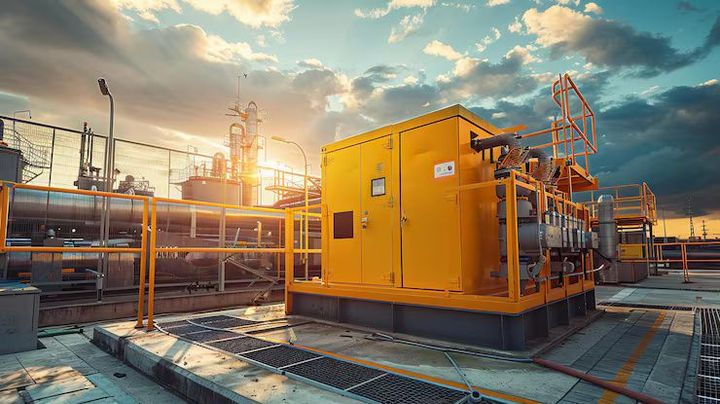
Industrial generators are essential systems designed to provide electricity during power interruptions. These interruptions can occur due to grid failures, maintenance outages, natural disasters, or high electricity demand.
Industries rely on continuous power to maintain production, protect equipment, and ensure safety. Generators act as backup or primary power sources, especially in areas with limited grid access.
How Industrial Generators Work
Industrial generators operate using internal combustion engines powered by fuels such as diesel, natural gas, or propane. These engines rotate an alternator to generate electricity.
The electricity produced can be used temporarily during outages or continuously in remote locations. This makes generators highly flexible for various industrial applications.
Key Components of Industrial Generators
Industrial generators consist of several important parts that ensure efficient operation:
-
Engine
-
Alternator
-
Fuel system
-
Cooling and exhaust systems
-
Control panel
-
Voltage regulator
These components work together to maintain stable and reliable power output.
Generator Capacity Range
Industrial generators vary widely in capacity depending on application needs.
-
Small units: A few kilowatts (kW)
-
Large installations: Several megawatts (MW)
This flexibility allows generators to support everything from small facilities to large industrial plants.
Types of Industrial Generators
Industrial environments use different generator types based on fuel and application needs.
Common Generator Types
| Generator Type | Typical Fuel | Common Applications |
|---|
| Diesel Generators | Diesel | Manufacturing plants, hospitals |
| Natural Gas Generators | Natural gas | Data centers, urban facilities |
| Portable Industrial Units | Diesel/Gasoline | Construction sites |
| Standby Generators | Diesel/Gas | Emergency power infrastructure |
These systems form a crucial part of global energy infrastructure.
Why Industrial Generators Matter Today
Industrial generators are critical for maintaining operational stability across sectors. Modern industries depend on reliable electricity for automation, communication, and computing systems.
Power outages can disrupt operations, damage equipment, and delay essential services. Generators help reduce these risks by ensuring continuous power supply.
Key Industries That Depend on Generators
-
Healthcare and medical facilities
-
Data centers and cloud infrastructure
-
Manufacturing plants
-
Telecommunications networks
-
Construction and mining operations
-
Transportation systems
For example, hospitals rely on generators for life-support systems, while data centers need uninterrupted power to maintain servers.
Problems Generators Help Solve
-
Power reliability challenges
-
Infrastructure limitations
-
Emergency preparedness
-
Energy supply interruptions
-
Operational downtime risks
These benefits make generators essential for productivity and safety in modern industries.
Recent Developments in Generator Technology
Recent years have seen significant advancements in generator technology. Smart monitoring systems are now widely integrated into generator equipment.
These systems use sensors and software to track performance metrics such as temperature, fuel levels, and voltage. This enables better maintenance planning and early issue detection.
Key Technology Trends
-
IoT-based remote monitoring
-
Hybrid generator and battery systems
-
Improved fuel efficiency technologies
-
Noise reduction engineering
-
Predictive maintenance through digital controls
Hybrid systems combining generators with renewable energy sources are also gaining popularity for improved efficiency.
Regulations and Policies Affecting Industrial Generators
Industrial generator use is governed by environmental and safety regulations. These rules ensure safe operation and reduce environmental impact.
In India, agencies like the Central Pollution Control Board (CPCB) regulate emissions and operational standards.
Key Regulatory Factors
-
Emission limits for diesel engines
-
Noise control standards
-
Fuel storage safety guidelines
-
Electrical safety compliance
-
Environmental monitoring requirements
For example, CPCB IV+ standards aim to reduce air pollution by enforcing stricter emission controls.
Useful Tools and Digital Resources
Digital tools help engineers and facility managers manage generator systems effectively. These tools support planning, monitoring, and maintenance activities.
Common Tools Used
-
Load calculation software
-
Power monitoring platforms
-
Generator sizing calculators
-
Energy management dashboards
-
Predictive maintenance software
These tools improve efficiency and help determine the correct generator capacity for different facilities.
Example: Generator Capacity Planning
| Facility Type | Typical Backup Power Requirement |
|---|
| Small Office | 20–50 kW |
| Hospital | 500 kW – 2 MW |
| Data Center | 1–10 MW |
| Manufacturing Plant | 500 kW – 5 MW |
Digital analytics systems also help track performance trends and maintenance needs.
Frequently Asked Questions
What is an industrial generator used for?
Industrial generators provide electricity during power outages or in locations without grid access.
What fuels are commonly used?
Common fuels include diesel, natural gas, propane, and sometimes hybrid energy sources.
How do standby and portable generators differ?
Standby generators are permanently installed and automatically supply power. Portable generators are smaller and can be moved as needed.
Why are generators important for data centers?
They ensure uninterrupted power for servers and digital infrastructure, preventing service disruptions.
What affects generator capacity requirements?
Factors include equipment load, facility size, operational needs, and safety considerations.
Conclusion
Industrial generators play a fundamental role in ensuring reliable electricity across industries. They support critical operations in healthcare, manufacturing, telecommunications, and more.
Advancements such as smart monitoring, hybrid systems, and improved efficiency are shaping the future of generator technology. At the same time, regulations ensure environmentally responsible usage.
As industries continue to expand and adopt digital systems, dependable backup power solutions remain essential for maintaining productivity and resilience.