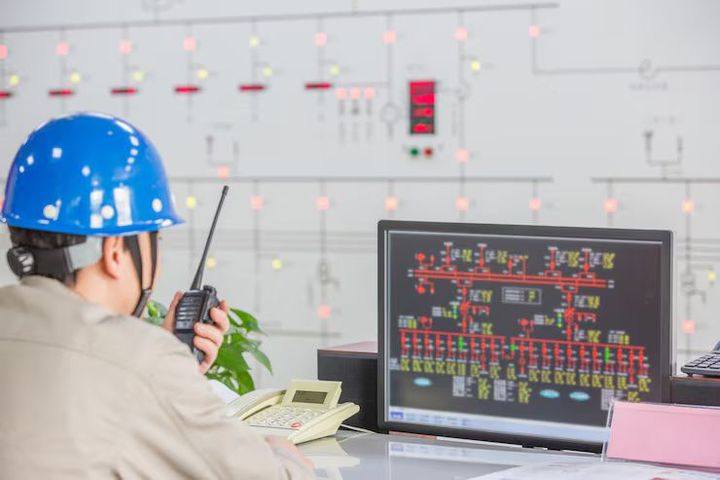
Predictive Maintenance Sensors Guide: How Smart Monitoring Improves Equipment Reliability
Predictive maintenance sensors are specialized monitoring devices used to collect real-time data from machines and industrial equipment. These sensors measure conditions such as vibration, temperature, pressure, sound, and electrical performance. The collected data is analyzed to predict potential equipment failures before they occur.
Traditional maintenance strategies relied on reactive or preventive methods. Reactive maintenance occurs after equipment failure, while preventive maintenance follows fixed schedules regardless of actual machine condition. Both approaches can lead to inefficiencies such as downtime or unnecessary servicing.
Predictive maintenance addresses these issues by using sensor-based monitoring systems. These systems continuously track machine performance and identify early warning signs of potential failures. This approach enables more efficient and timely maintenance decisions.
Where Predictive Maintenance Sensors Are Used
Predictive maintenance sensors are commonly installed across various industrial equipment. These sensors help monitor operational conditions in real time.
Common applications include:
- Industrial motors
- Pumps and compressors
- HVAC systems
- Manufacturing robots
- Conveyor systems
- Turbines and generators
These sensors operate within Industrial Internet of Things (IIoT) systems, where devices collect and transmit performance data to centralized platforms.
Types of Predictive Maintenance Sensors
Modern predictive maintenance systems combine multiple sensor types to monitor equipment health. Each sensor measures specific parameters to detect abnormalities.
Common Sensor Types and Functions
| Sensor Type | What It Measures | Typical Use Case |
|---|---|---|
| Vibration Sensors | Mechanical movement and imbalance | Rotating equipment |
| Temperature Sensors | Heat levels and thermal stress | Motors and bearings |
| Acoustic Sensors | Sound patterns | Early fault detection |
| Pressure Sensors | Fluid pressure changes | Hydraulic systems |
| Current Sensors | Electrical load variations | Motors and power systems |
These sensors work together to detect issues such as overheating, misalignment, and wear before they cause system failure.
Why Predictive Maintenance Sensors Matter Today
Predictive maintenance sensors have become essential in modern industries due to increasing automation. Even minor equipment failures can disrupt production and impact efficiency.
Industries that rely heavily on predictive monitoring include:
- Manufacturing and factory automation
- Energy and power generation
- Oil and gas infrastructure
- Transportation systems
- Aerospace engineering
- Smart buildings and infrastructure
Key Operational Challenges Addressed
Predictive monitoring helps solve several common issues:
- Unexpected equipment downtime
- High maintenance workloads
- Reduced energy efficiency
- Safety risks from malfunctioning machines
- Difficulty tracking long-term performance
By analyzing data continuously, organizations can optimize asset management and improve operational reliability.
Role of Digital Twin Technology
Digital twin technology enhances predictive maintenance by creating virtual models of physical equipment. These models use real-time sensor data to simulate machine behavior.
This allows engineers to test scenarios, predict failures, and improve maintenance planning without disrupting operations.
Recent Developments and Industry Trends
Predictive maintenance technology has advanced significantly in recent years. Industry reports from early 2025 highlight increased adoption of AI-driven monitoring systems and wireless sensors.
Key Trends (2024–2025)
- Expansion of wireless predictive maintenance sensors
- Growth of cloud-based monitoring platforms
- Improved battery performance for remote devices
- Increased use of edge computing
- Integration with cybersecurity frameworks
Edge computing allows data processing closer to the source, enabling faster detection of anomalies. This reduces reliance on cloud systems and improves response times.
AI-powered anomaly detection systems can now identify unusual patterns such as vibration irregularities or temperature spikes automatically.
Adoption in Emerging Sectors
Predictive maintenance is increasingly used in renewable energy systems. Wind turbines and solar installations benefit from continuous monitoring to ensure performance and reduce downtime.
Smart manufacturing initiatives worldwide are also driving investment in predictive monitoring technologies.
Regulations, Safety Standards, and Policy Considerations
Predictive maintenance systems must comply with various safety and regulatory frameworks. These regulations ensure proper equipment operation, worker safety, and data protection.
Key Regulatory Areas
- Occupational safety requirements
- Industrial equipment standards
- Data privacy regulations
- Environmental compliance policies
Common Standards and Frameworks
| Regulation/Standard | Purpose |
|---|---|
| ISO 55000 | Asset management standards |
| ISO 17359 | Condition monitoring guidelines |
| OSHA Regulations | Worker safety requirements |
| IEC Standards | Industrial automation compatibility |
Government programs promoting digital manufacturing also encourage the adoption of IoT-based monitoring systems.
Importance of Cybersecurity
Since predictive maintenance systems rely on connected devices, cybersecurity is critical. Protection measures help prevent unauthorized access to industrial control systems.
Tools and Resources for Predictive Maintenance
Various tools support predictive maintenance by analyzing sensor data and improving decision-making. These tools enable engineers to monitor performance and detect faults efficiently.
Common Tool Categories
- Industrial IoT monitoring platforms
- Vibration analysis software
- Machine learning analytics systems
- Digital twin simulation tools
- Maintenance management software
Key Tools and Their Functions
| Tool Category | Purpose |
|---|---|
| Predictive Analytics Platforms | Analyze sensor data patterns |
| Condition Monitoring Dashboards | Visualize equipment performance |
| CMMS | Track maintenance activities |
| Edge Computing Devices | Process data locally |
These tools often integrate with Enterprise Asset Management systems to provide a complete view of equipment lifecycle data.
Predictive Maintenance Workflow
A typical predictive maintenance process includes:
- Sensor data collection
- Real-time monitoring
- Anomaly detection
- Maintenance planning
Monitoring Process Overview
| Monitoring Stage | Description |
|---|---|
| Data Collection | Sensors capture operational data |
| Data Transmission | Data sent to monitoring platforms |
| Data Analysis | Algorithms detect abnormal patterns |
| Maintenance Planning | Engineers assess and schedule maintenance |
Visualization tools and dashboards help engineers interpret complex data effectively.
Frequently Asked Questions
What are predictive maintenance sensors used for?
Predictive maintenance sensors monitor conditions such as vibration, temperature, and pressure. They help detect early signs of equipment failure.
How do predictive maintenance systems improve reliability?
Continuous data analysis allows engineers to identify abnormal behavior early. This prevents unexpected breakdowns and reduces downtime.
What industries use predictive maintenance sensors?
Industries include manufacturing, power generation, transportation, aerospace, oil and gas, and building automation.
What types of sensors are commonly used?
Common sensors include vibration, temperature, acoustic, and electrical current sensors.
Is predictive maintenance part of Industry 4.0?
Yes. It is a key component of Industry 4.0, using connected devices and data analytics to improve efficiency.
Conclusion
Predictive maintenance sensors play a crucial role in modern industrial systems. They provide real-time insights into equipment health, enabling proactive maintenance and reducing operational risks.
Advancements in AI, IoT, and edge computing have significantly enhanced predictive monitoring capabilities. Industries are increasingly adopting these technologies to improve efficiency and reliability.
As digital transformation continues, predictive maintenance will remain essential for intelligent asset management and data-driven decision-making.