Pressure and Humidity Sensors Guide: Applications, Types, and Industry Uses Explained
Pressure and humidity sensors are electronic components designed to measure environmental conditions such as air pressure and moisture levels in the atmosphere. These sensors convert physical environmental parameters into electrical signals that can be processed by electronic systems.
Pressure sensors detect changes in atmospheric or fluid pressure, while humidity sensors measure the amount of water vapor in the air. These technologies are widely used across industries such as industrial automation, automotive systems, environmental monitoring, and medical devices.
They play a critical role in ensuring systems operate safely and efficiently. For example, HVAC systems rely on humidity data for comfort, while industrial machines depend on pressure readings to regulate fluids and gases.
Types of Pressure and Humidity Sensors
Pressure Sensor Categories
Pressure sensors are designed to measure different types of pressure depending on the application.
- Absolute pressure sensors
- Differential pressure sensors
- Gauge pressure sensors
Each type serves a specific purpose, such as measuring atmospheric pressure or monitoring pressure differences in systems.
Humidity Sensor Categories
Humidity sensors detect moisture levels in the air using different technologies.
- Capacitive humidity sensors
- Resistive humidity sensors
- Thermal conductivity humidity sensors
These sensors vary in sensitivity, accuracy, and application suitability.
Why Pressure and Humidity Sensors Matter Today
Pressure and humidity sensors have become essential due to the growth of smart devices and automation systems. They provide accurate environmental data, helping organizations improve efficiency and reduce system failures.
Key Applications Across Industries
These sensors are used in a wide range of industries and environments:
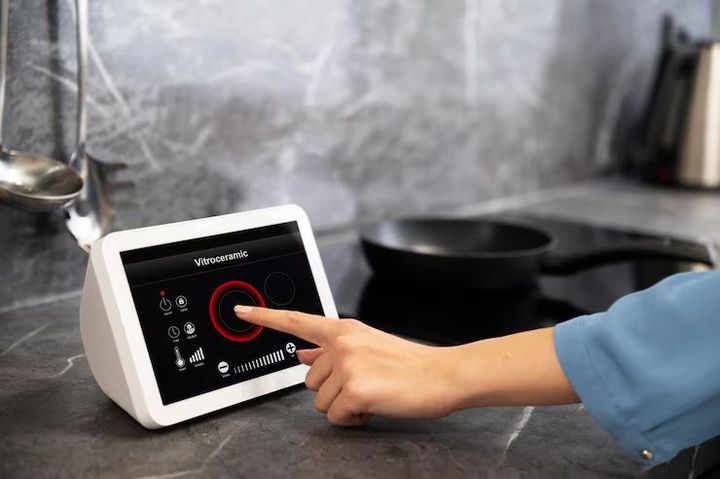
- Smart buildings and climate control systems
- Automotive engine management systems
- Medical monitoring equipment
- Weather forecasting stations
- Industrial manufacturing systems
- Agricultural monitoring technologies
- Data center environmental control
In smart buildings, they help maintain indoor air quality and prevent issues like mold. In automotive systems, they support safety features such as tire pressure monitoring.
Problems These Sensors Solve
Environmental sensors address several technical challenges:
- Preventing equipment damage from pressure fluctuations
- Maintaining optimal environmental conditions
- Improving energy efficiency in buildings
- Supporting predictive maintenance
As industries adopt digital monitoring, these sensors are becoming critical components of connected infrastructure.
Recent Developments in Sensor Technology
Recent advancements in 2024–2025 have improved sensor performance and integration. Many modern sensors now combine pressure, humidity, and temperature measurement into a single compact module.
Key Technology Trends
- Development of ultra-low-power sensors for IoT networks
- Increased use of MEMS technology
- Integration of wireless communication features
- AI-based calibration for higher accuracy
- Miniaturization for mobile and wearable devices
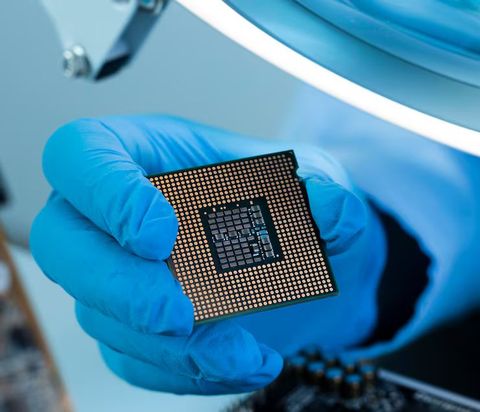
MEMS (Micro-Electro-Mechanical Systems) technology enables highly sensitive sensors on semiconductor chips. This allows for compact designs without compromising performance.
Emerging Innovations
Cloud-based monitoring systems now allow real-time tracking across multiple locations. Predictive analytics is also being used to detect potential system failures before they occur.
Additionally, sustainability initiatives are driving the adoption of sensors in energy-efficient building systems.
Regulations and Policy Considerations
Pressure and humidity sensors are often subject to regulatory standards to ensure accuracy and safety. These standards are important in industries such as manufacturing, energy, and environmental monitoring.
Key Standards and Guidelines
- ISO 9001 (quality management systems)
- ISO 14644 (cleanroom monitoring)
- ISO 17025 (calibration laboratories)
These frameworks ensure that sensor systems deliver reliable and consistent data.
Regional Regulatory Influence
Different regions apply their own regulatory guidelines:
- Environmental monitoring regulations from national agencies
- Industrial safety rules for pressure systems
- Air quality standards in regions like the EU
- Guidelines from agencies such as the EPA in the United States
Compliance with these regulations helps maintain safe working conditions and reliable environmental monitoring systems.
Tools and Resources for Sensor Monitoring
Various tools are used to manage and analyze sensor data. These tools help engineers monitor environmental conditions and make informed decisions.
Common Monitoring Tools
- IoT monitoring platforms
- Environmental data logging software
- Calibration tools
- Industrial automation dashboards
- Cloud-based analytics platforms
Sensor data is typically processed through microcontrollers or industrial systems, which convert signals into usable digital data.
Sensor Technology and Applications Table
| Sensor Type | Measurement Focus | Typical Applications |
|---|---|---|
| Absolute Pressure Sensor | Atmospheric pressure | Weather monitoring, aviation |
| Differential Pressure Sensor | Pressure difference | HVAC airflow monitoring |
| Capacitive Humidity Sensor | Relative humidity | Indoor climate control |
| Resistive Humidity Sensor | Moisture detection | Agriculture and soil monitoring |
Example Environmental Monitoring Data
| Time Period | Humidity Level (%) | Pressure Level (hPa) |
|---|---|---|
| Morning | 60 | 1012 |
| Afternoon | 55 | 1010 |
| Evening | 65 | 1013 |
Typical Monitoring Workflow
- Sensor installation and calibration
- Continuous data collection
- Automated alerts for threshold changes
- Data analysis for trends
These workflows help organizations maintain optimal environmental conditions.
Frequently Asked Questions
What is the difference between pressure sensors and humidity sensors?
Pressure sensors measure force from gases or liquids, while humidity sensors measure water vapor in the air.
Where are pressure sensors commonly used?
They are used in automotive systems, industrial automation, aerospace, and weather monitoring equipment.
What industries rely on humidity sensors?
Industries such as agriculture, climate control, data centers, and manufacturing depend on humidity sensors.
How accurate are modern environmental sensors?
Modern MEMS-based sensors offer high accuracy, often within small percentage margins depending on calibration.
Why are sensors important for smart buildings?
They help maintain stable indoor conditions, including temperature, humidity, and air circulation.
Conclusion
Pressure and humidity sensors are essential for modern monitoring and automation systems. They provide accurate environmental data, enabling real-time decision-making and improved system performance.
These sensors support a wide range of industries, from manufacturing to agriculture and smart buildings. Advances in MEMS, IoT, and cloud technologies continue to enhance their capabilities.
As digital infrastructure grows, pressure and humidity sensors will remain key tools for efficiency, safety, and sustainability.