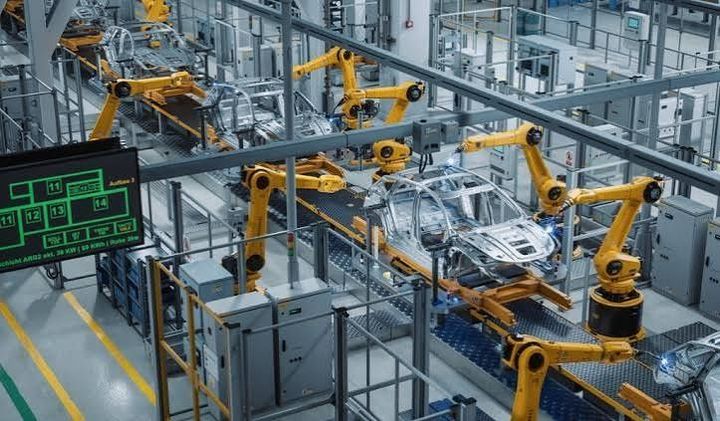
Production Process Automation Guide: Understanding Modern Manufacturing Workflows and Systems
Production process automation refers to the use of technology, software, machines, and control systems to perform manufacturing tasks with limited manual intervention.
It has become an important part of modern industry, helping organizations manage complex production activities with greater consistency and efficiency.
The concept of automation has evolved over many decades. Early manufacturing relied heavily on human labor and mechanically operated equipment. As electrical systems, computers, and digital technologies developed, industries began integrating automated controls into production environments. This evolution led to modern industrial process automation, where machines, sensors, and software communicate and coordinate activities throughout a manufacturing facility.
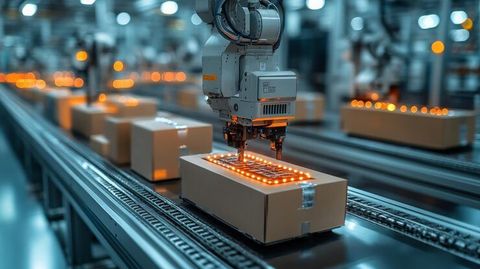
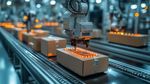
Today, factory automation systems are found across many industries, including automotive manufacturing, food processing, electronics, pharmaceuticals, packaging, and consumer goods production. These systems support tasks such as material handling, assembly, quality inspection, inventory tracking, and packaging.
Production line automation is often designed to reduce repetitive manual activities while improving process consistency. Modern automated manufacturing processes can monitor equipment performance, collect operational data, and adjust workflows based on changing production conditions.
The rise of smart factory automation has expanded the role of automation even further. Connected devices, data analytics, and cloud-based platforms enable manufacturers to observe operations in real time and make informed decisions. As a result, production environments have become more connected, data-driven, and adaptable than in previous generations.
Importance
Why Automation Matters in Modern Manufacturing
Manufacturing facilities face increasing pressure to maintain product quality, manage resources efficiently, and respond to changing market demands. Production process automation helps address these challenges by improving workflow coordination and reducing the likelihood of human error in repetitive tasks.
Automated systems can perform routine operations consistently, helping manufacturers maintain stable production standards. This consistency is particularly important in industries where product specifications must remain uniform across large production volumes.
Benefits for Workers and Consumers
Industrial process automation affects both workers and consumers. Workers often interact with automated tools that assist with monitoring, inspection, and equipment operation. Automation can reduce exposure to repetitive or physically demanding tasks while allowing personnel to focus on supervision, troubleshooting, and process management.
Consumers benefit indirectly through more reliable production processes. Products manufactured through controlled and monitored systems may exhibit greater consistency in dimensions, packaging, and quality characteristics.
Common Challenges Addressed by Automation
Factory automation systems help organizations address several operational challenges, including:
- Maintaining consistent production quality
- Managing large-scale manufacturing operations
- Tracking production performance
- Reducing production delays
- Improving equipment utilization
- Supporting workplace safety initiatives
- Handling complex manufacturing workflows
These advantages have contributed to the growing adoption of automated production equipment across many sectors.
Key Components of Automation Systems
The following table outlines common components used in industrial automation integration.
| Component | Primary Function |
|---|---|
| Sensors | Collect operational data from machines and processes |
| Controllers | Process information and manage automated actions |
| Human-Machine Interfaces (HMIs) | Allow operators to monitor and interact with systems |
| Industrial Robots | Perform repetitive manufacturing tasks |
| Actuators | Convert control signals into physical movement |
| Communication Networks | Enable data exchange between devices |
| Manufacturing Software | Track production activities and analyze performance |
Together, these components form the foundation of modern process control automation environments.
Recent Updates
Growth of Smart Manufacturing Technology
Recent developments in smart manufacturing technology have focused on increasing connectivity and data visibility throughout production facilities. Manufacturers are adopting advanced monitoring systems that provide detailed insights into equipment performance and production efficiency.
Connected devices now generate large volumes of operational data that can be analyzed to identify trends and support maintenance planning. This approach helps organizations better understand how production systems perform under different operating conditions.
Expansion of Industrial Internet of Things (IIoT)
The Industrial Internet of Things has become an important element of smart factory automation. Sensors, machines, and software platforms can communicate through connected networks, allowing information to move between different parts of a production facility.
IIoT technologies support:
- Real-time equipment monitoring
- Production tracking
- Energy consumption analysis
- Equipment condition assessment
- Inventory visibility
These capabilities help organizations gain a broader view of manufacturing operations.
Increased Use of Artificial Intelligence
Artificial intelligence applications are becoming more common within automated manufacturing processes. AI-based systems can analyze production data, identify patterns, and assist operators in detecting potential issues before they affect production.
Examples include quality inspection systems that analyze product images and predictive maintenance tools that evaluate equipment performance trends.
Greater Focus on Cybersecurity
As industrial control systems become increasingly connected, cybersecurity has received greater attention. Manufacturers are implementing stronger network protections, access controls, and monitoring tools to help safeguard production environments from unauthorized access and operational disruptions.
Sustainability and Resource Management
Modern automation strategies increasingly support environmental and resource management goals. Automated systems can monitor energy consumption, reduce material waste, and improve process efficiency.
This trend reflects broader efforts to optimize resource use while maintaining production requirements.
Laws or Policies
Workplace Safety Regulations
Production process automation is often influenced by workplace safety regulations that establish standards for machine operation, worker protection, and equipment maintenance.
In many countries, manufacturing facilities must implement safeguards such as emergency stop systems, machine guarding, and operational procedures designed to reduce workplace hazards.
Industrial Standards and Compliance
Industrial automation systems frequently operate within established technical standards. These standards help ensure compatibility, reliability, and safety across different equipment manufacturers and production environments.
Examples include standards related to:
- Electrical safety
- Machinery operation
- Functional safety systems
- Network communications
- Industrial cybersecurity
Compliance with recognized standards helps maintain consistent operational practices.
Government Support for Smart Manufacturing
Many governments have introduced programs that encourage digital transformation and modernization within manufacturing sectors. These initiatives often focus on improving productivity, supporting technological innovation, and strengthening industrial competitiveness.
Programs may include educational resources, technology adoption frameworks, and manufacturing modernization initiatives.
Data Protection Considerations
As automation systems collect and process increasing amounts of operational information, data protection requirements have become more relevant. Organizations must manage production data responsibly while following applicable privacy and security regulations.
Tools and Resources
Automation Design and Engineering Tools
Various software platforms assist engineers and operators in designing, monitoring, and maintaining automation systems.
Common categories include:
- Programmable Logic Controller (PLC) programming software
- Supervisory Control and Data Acquisition (SCADA) platforms
- Manufacturing Execution Systems (MES)
- Computer-Aided Design (CAD) software
- Simulation and modeling tools
These resources help support industrial automation integration projects.
Performance Monitoring Platforms
Manufacturers often use dashboards and monitoring platforms to track production performance. These systems can display information related to equipment operation, production output, and maintenance activities.
Real-time visibility allows operators to identify issues and respond more effectively.
Industry Organizations and Educational Resources
Several organizations provide educational materials and technical guidance related to automation technologies. These resources may include:
- Technical standards documentation
- Industry reports
- Training materials
- Research publications
- Manufacturing technology guides
Such information can help individuals understand evolving developments within smart manufacturing technology.
Digital Calculators and Planning Resources
Manufacturing professionals often use digital calculators and planning tools to evaluate:
- Production capacity
- Equipment utilization
- Energy consumption
- Maintenance schedules
- Resource allocation
These tools support operational planning and process improvement activities.
FAQs
What is production process automation?
Production process automation is the use of machines, software, sensors, and control systems to perform manufacturing tasks automatically or with limited manual involvement. It helps coordinate production activities and improve process consistency.
How do factory automation systems work?
Factory automation systems use sensors, controllers, communication networks, and software to monitor and manage manufacturing operations. Information collected from equipment is processed and used to control production activities in real time.
What is the difference between industrial process automation and production line automation?
Industrial process automation refers to the broader automation of manufacturing and industrial operations. Production line automation focuses specifically on automating activities within a production line, such as assembly, packaging, or inspection.
How does smart factory automation improve manufacturing?
Smart factory automation combines connected devices, data analytics, and intelligent software to improve visibility across production operations. This approach supports monitoring, maintenance planning, and workflow optimization.
What role do industrial control systems play in automated manufacturing processes?
Industrial control systems manage communication between equipment, sensors, and software platforms. They help coordinate machine operations, maintain process stability, and support overall manufacturing performance.
Conclusion
Production process automation has become a fundamental part of modern manufacturing. Through industrial process automation, factory automation systems, and automated production equipment, manufacturers can coordinate complex workflows more effectively. Advances in smart manufacturing technology and industrial automation integration continue to increase connectivity, visibility, and operational efficiency. As technology evolves, automation remains an important element of contemporary manufacturing environments.