Protein Powder Insights for Active Lifestyles and Balanced Nutrition
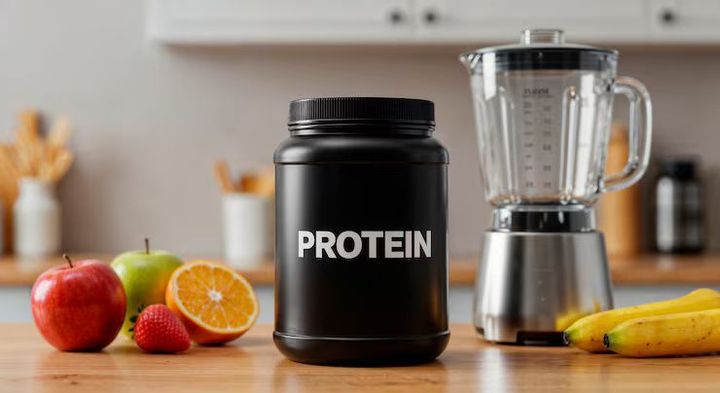
Protein powder is a dietary supplement made by extracting protein from animal or plant sources and processing it into a powdered form.
It is commonly mixed with water, milk, or blended into meals and snacks. People use protein powder to support balanced nutrition, maintain muscle tissue, and help meet daily protein intake needs.
Different types of protein powder exist to match a wide range of dietary preferences and lifestyles. Whey protein, casein protein, soy protein, pea protein, rice protein, and hemp protein are among the most common varieties. Plant based protein powder and vegan protein powder are widely used by people who avoid dairy or follow plant-focused eating patterns.
Protein plays an important role in the body. It supports muscle repair, hormone production, immune function, and tissue maintenance. Many people use protein powder for gym routines, sports training, or active lifestyles because it can be a convenient way to add protein to meals.
Some products are designed for specific goals. Protein powder for muscle gain often contains higher protein concentrations and additional nutrients, while protein powder for weight loss may focus on lower calorie content and increased satiety. Protein powder for women and protein powder for men may also differ in nutrient combinations, serving sizes, or marketing focus, although the core ingredient remains protein.
Organic protein powder products are also becoming more common. These products are generally made from ingredients grown without certain synthetic pesticides or fertilizers and may appeal to consumers interested in organic food standards.
Importance
Protein Intake in Everyday Nutrition
Protein is one of the major nutrients needed for normal body function. It contributes to muscle maintenance, skin structure, and enzyme activity. While many people obtain enough protein through food, some individuals may have difficulty reaching their daily intake because of busy schedules, dietary restrictions, or high physical activity levels.
Protein powder can help fill nutritional gaps in a practical way. Athletes, older adults, students, office workers, and physically active individuals may include it in smoothies, oats, soups, or other meals.
Support for Active Lifestyles
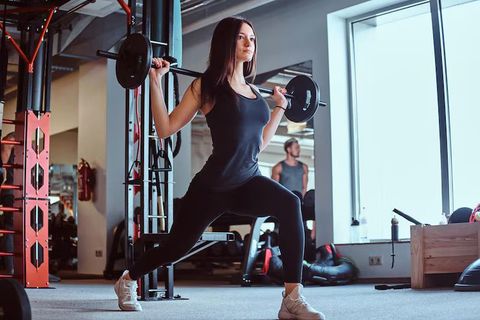
Exercise routines and physically demanding activities can increase protein needs. Protein powder for gym use is common among people involved in resistance training, endurance sports, or recreational fitness activities.
Protein is associated with muscle recovery after exercise. Protein powder for muscle gain is often included in fitness plans because protein contributes to the maintenance and growth of muscle mass when combined with strength training and adequate nutrition.
Weight Management and Balanced Eating
Protein-rich foods can help people feel full for longer periods. Because of this, protein powder for weight loss is sometimes included in meal planning strategies. It is commonly used in balanced smoothies or snacks that include fiber, fruits, and healthy fats.
However, protein powder is not a replacement for a varied diet. Whole foods such as beans, lentils, dairy products, eggs, nuts, fish, and poultry remain important sources of nutrition.
Dietary Preferences and Accessibility
Plant based protein powder and vegan protein powder provide alternatives for people who avoid animal products. These options are often made from peas, soy, brown rice, pumpkin seeds, or mixed plant sources.
Some people also choose dairy-free protein powders because of lactose intolerance or digestive sensitivity. The wider variety of products available today allows more consumers to find protein sources that align with their dietary habits.
Recent Updates
Growth of Plant-Based Formulas
Between 2024 and 2026, plant-based nutrition continued to expand globally. More manufacturers introduced vegan protein powder blends that combine multiple plant proteins to improve amino acid balance and texture.
Pea protein and fava bean protein became more common ingredients because they provide relatively high protein content and can be used in dairy-free products.
Focus on Ingredient Transparency
Consumers have shown increasing interest in ingredient lists and manufacturing practices. Many protein powder products now include clearer labeling related to protein sources, allergens, sweeteners, and third-party testing.
Organic protein powder products have also gained attention as more people look for minimally processed ingredients and traceable sourcing information.
Reduced Sugar and Flavor Additives
A growing number of products now contain lower sugar levels and fewer artificial flavoring ingredients. Unsweetened and naturally flavored options have become more widely available for people who prefer simpler ingredient profiles.
Expansion of Personalized Nutrition
Nutrition tracking apps and wearable fitness technology have influenced the way people approach dietary planning. Some consumers now select protein powder based on factors such as age, exercise frequency, dietary restrictions, or daily protein targets.
The table below outlines common protein powder categories and their general characteristics.
| Protein Type | Common Source | Typical Use | Suitable For |
|---|---|---|---|
| Whey Protein | Milk | Post-exercise nutrition | Active individuals |
| Casein Protein | Milk | Slower digestion | Evening nutrition |
| Soy Protein | Soybeans | General protein intake | Plant-focused diets |
| Pea Protein | Yellow peas | Dairy-free nutrition | Vegan diets |
| Rice Protein | Brown rice | Mixed protein blends | Plant-based diets |
| Hemp Protein | Hemp seeds | Fiber-containing blends | Natural food preferences |
Laws or Policies
Food Labeling Regulations
Protein powder products are generally regulated as dietary supplements or food products, depending on the country. Manufacturers are usually required to list ingredients, allergens, serving sizes, and nutritional information on packaging.
In countries such as the United States, protein powders are overseen by the U.S. Food and Drug Administration under dietary supplement regulations. In the European Union, food safety authorities monitor ingredient standards and labeling practices.
Claims and Advertising Standards
Health-related statements on protein powder packaging are often regulated to reduce misleading information. Manufacturers are typically restricted from making unsupported medical claims or exaggerated performance statements.
Terms such as “organic” may only be used when products meet certification standards established by government-approved agricultural programs.
Safety and Quality Testing
Some countries require testing for contaminants, including heavy metals or harmful microorganisms. Third-party certification organizations may also verify ingredient quality and product purity.
Consumers are often encouraged to review labels carefully, especially when selecting protein powder for women, protein powder for men, or specialized sports nutrition products.
Tools and Resources
Several tools and educational resources can help people understand protein intake and nutritional planning.
Nutrition Tracking Platforms
Apps and nutrition websites can estimate daily protein intake based on age, activity level, and dietary habits. These tools often include food databases and meal tracking features.
Examples include:
- MyFitnessPal
- Cronometer
- USDA FoodData Central
- NHS nutrition guidance resources
- European Food Information Council materials
Protein Intake Calculators
Protein intake calculators are commonly used to estimate daily protein requirements. These calculators usually consider:
- Body weight
- Physical activity level
- Fitness goals
- Age group
The results are general estimates and may vary between individuals.
Product Testing Databases
Independent testing organizations publish information about supplement quality and ingredient verification. These databases may include testing for contaminants, ingredient accuracy, and manufacturing standards.
Educational Health Resources
Government health agencies and public nutrition organizations provide information about balanced diets, exercise, and nutrient intake. These resources can help readers understand how protein powder fits within overall nutrition habits.
FAQs
What is protein powder made from?
Protein powder is commonly made from dairy, soy, peas, rice, hemp, or egg sources. The protein is extracted, processed, and dried into powder form for use in drinks or meals.
Is plant based protein powder different from whey protein?
Plant based protein powder comes from plant ingredients such as peas or soy, while whey protein is derived from milk. The amino acid profiles, digestion speed, and texture may vary between products.
Can protein powder for weight loss replace meals?
Some people include protein powder in meal plans because protein may help support fullness. However, it is generally intended to supplement balanced meals rather than completely replace whole foods.
Is vegan protein powder suitable for muscle support?
Vegan protein powder can support muscle maintenance and recovery when combined with balanced nutrition and exercise. Many products combine multiple plant proteins to provide a broader amino acid profile.
Are protein powder for women and protein powder for men very different?
Most protein powders contain similar core ingredients regardless of labeling. Differences may include added vitamins, flavor profiles, serving sizes, or packaging style rather than major nutritional differences.
Conclusion
Protein powder is widely used as part of modern nutrition and active lifestyles. Different varieties, including plant based protein powder, vegan protein powder, and organic protein powder, allow consumers to choose products that match their dietary preferences and goals. Protein powder for gym routines, muscle support, and balanced eating continues to remain popular across many age groups. Understanding ingredient sources, labeling standards, and nutritional needs can help people make informed decisions about how protein powder fits into everyday diets.
Disclaimer: The information provided in this article is for informational purposes only. We do not make any claims or guarantees regarding the accuracy, reliability, or completeness of the information presented. The content is not intended as professional advice and should not be relied upon as such. Readers are encouraged to conduct their own research and consult with appropriate professionals before making any decisions based on the information provided in this article.