Relay Testing Equipment Guide: Complete Basics, Working Principles, Types of Test Kits, Protection Testing Methods, and Key Technical Insights
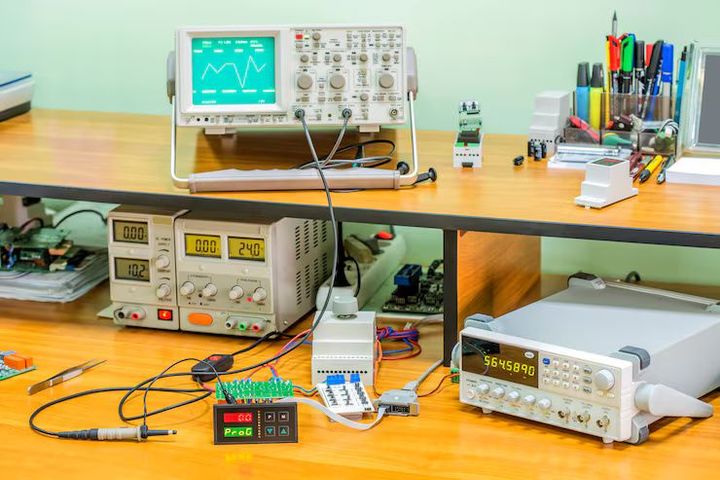
Relay testing equipment plays an important role in modern electrical power systems. Electrical relays are protective devices that detect abnormal conditions such as overloads, short circuits, or voltage fluctuations. When a fault occurs, the relay signals circuit breakers to isolate the affected section of the electrical network. Relay testing equipment helps technicians verify that these relays operate correctly under different electrical conditions.
The concept of relay protection began developing in the early stages of electrical power distribution. As electrical networks expanded across industries, utilities, and infrastructure systems, reliable protection mechanisms became necessary. Relay testing equipment was developed to evaluate the performance and accuracy of protection relays before they are used in operational environments.
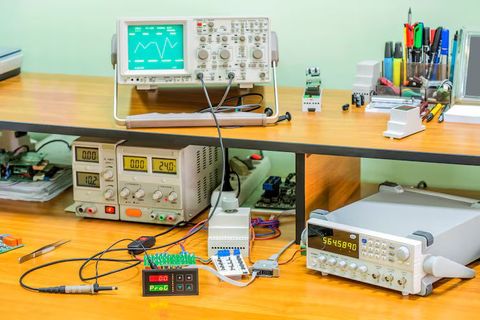
Without proper testing, relays might fail to detect faults or may trigger unnecessary shutdowns. Relay testing equipment simulates electrical conditions such as current, voltage, and frequency changes to ensure relays respond as intended. This testing process helps maintain the stability and safety of electrical systems.
Today, relay testing equipment is used in power generation facilities, transmission networks, substations, industrial plants, and renewable energy installations. The equipment allows engineers to evaluate relay performance, analyze protection settings, and confirm that protection schemes function according to system design requirements.
Importance
Reliable power systems depend on properly functioning protection devices. Relay testing equipment ensures that electrical relays respond correctly when faults occur. If protection systems fail, electrical faults can damage equipment, interrupt power supply, and create safety risks.
Relay protection testing is particularly important in large power networks where electrical faults can spread rapidly. By verifying relay responses through testing procedures, engineers can confirm that protection mechanisms isolate faults quickly and prevent wider system disturbances.
Several key reasons highlight the importance of relay testing equipment:
- System reliability – Protection testing helps ensure electrical systems continue operating safely under abnormal conditions.
- Equipment protection – Transformers, generators, and transmission lines require reliable protection to avoid severe damage.
- Operational safety – Proper relay operation reduces risks associated with electrical faults.
- Maintenance planning – Regular testing helps identify issues before they affect power system performance.
- Regulatory compliance – Many power system standards require periodic testing of protection devices.
Electrical networks today are highly interconnected. Because of this complexity, accurate relay testing methods are necessary to confirm that protective relays coordinate correctly with other protection devices in the network.
Recent Updates
Advances in digital technology have influenced the development of modern relay testing equipment. Between recent years, several improvements have appeared in protection testing systems, focusing on automation, data analysis, and integration with digital relays.
One major development is the increased use of computer-based testing systems. These platforms allow engineers to design automated testing procedures that simulate multiple electrical fault scenarios. Automated test sequences help improve consistency and reduce manual testing errors.
Another trend is the integration of relay testing equipment with digital protection relays. Modern protection relays often include microprocessor-based control systems that store event records and system data. Relay testing equipment can interact with these devices to analyze response times, event logs, and protection settings.
Portable testing equipment has also become more common. Compact relay test kits allow engineers to conduct field testing at substations and electrical installations without requiring large laboratory setups.
Current trends in relay testing equipment development include:
- Automated testing software for protection schemes
- Simulation-based testing environments that replicate real grid conditions
- Portable testing instruments for field inspections
- Integration with digital substations and communication protocols
These developments support more efficient testing processes while helping engineers evaluate complex protection systems in modern electrical networks.
Laws or Policies
Electrical protection systems are influenced by technical standards and regulatory guidelines established by national and international organizations. These regulations ensure that relay protection systems operate safely and reliably within electrical infrastructure.
In many countries, electrical testing practices follow internationally recognized standards developed by organizations such as the International Electrotechnical Commission and the Institute of Electrical and Electronics Engineers. These organizations publish technical guidelines that describe how protection relays and testing equipment should operate.
In India, electrical safety regulations are shaped by national standards issued by organizations such as the Bureau of Indian Standards. These standards define testing procedures, equipment performance requirements, and electrical safety guidelines for power systems.
Government regulations related to electricity infrastructure also influence protection testing requirements. These policies typically address areas such as:
- electrical installation safety procedures
- maintenance schedules for power equipment
- testing guidelines for protection systems
- operational reliability of electrical networks
Compliance with these standards helps ensure that electrical protection systems function correctly and support stable power distribution across the network.
Tools and Resources
Various tools and digital platforms assist engineers and technicians in performing relay protection testing and analyzing system behavior. These resources help improve testing accuracy and support documentation of protection system performance.
Common categories of tools used with relay testing equipment include:
Relay Test Kits
Relay test kits simulate electrical signals such as voltage and current to evaluate relay responses. These devices allow technicians to verify pickup levels, timing characteristics, and coordination between protection devices.
Protection Testing Software
Computer software platforms help design and manage automated test procedures. These programs allow engineers to create testing sequences, record measurement data, and generate reports for analysis.
Electrical Simulation Platforms
Simulation tools allow engineers to model electrical systems and analyze how protection relays respond to different fault conditions. These tools are commonly used in training environments and system planning studies.
Technical Documentation and Standards
Engineering standards and technical manuals provide guidelines for conducting protection testing. These documents describe recommended testing procedures, measurement methods, and performance expectations for protection devices.
The following table summarizes several common types of relay testing equipment and their typical functions.
| Equipment Type | Primary Function | Typical Use Environment |
|---|---|---|
| Secondary Injection Test Set | Tests relay response using simulated electrical signals | Substations and maintenance labs |
| Primary Injection Testing Equipment | Applies real current to evaluate protection system operation | Field testing of circuit protection |
| Portable Relay Test Kit | Compact testing device for on-site relay evaluation | Field inspections |
| Automated Relay Testing System | Computer-controlled testing platform with automated sequences | Laboratory testing and research |
| Digital Protection Test Platform | Integrates with microprocessor relays for advanced testing | Modern substations |
These tools help engineers verify protection performance and ensure that electrical networks maintain stable operation.
FAQs
What is relay testing equipment?
Relay testing equipment refers to specialized instruments used to evaluate the performance of electrical protection relays. The equipment simulates electrical conditions such as voltage, current, and frequency changes to verify that relays respond correctly during faults.
Why is relay protection testing important?
Relay protection testing confirms that protection devices operate as expected when abnormal electrical conditions occur. Proper testing helps prevent equipment damage, improves electrical system reliability, and supports safe operation of power infrastructure.
What are the main types of relay testing equipment?
Common types of relay testing equipment include secondary injection test sets, primary injection testing systems, portable relay test kits, automated testing platforms, and digital protection testing systems. Each type supports different stages of relay evaluation and maintenance.
How do relay testing methods work?
Relay testing methods involve applying simulated electrical signals to a relay and measuring how it responds. Engineers analyze factors such as response time, trip thresholds, and coordination with other protection devices to confirm correct operation.
Where is relay testing equipment used?
Relay testing equipment is used in environments such as electrical substations, power generation facilities, industrial plants, renewable energy systems, and electrical maintenance laboratories.
Conclusion
Relay testing equipment plays a key role in ensuring the reliability and safety of electrical protection systems. By simulating electrical faults and measuring relay responses, these tools help engineers verify that protection devices operate as designed. Modern testing systems now include automated platforms, digital integration, and portable instruments that support field testing and laboratory analysis. Understanding relay testing equipment and protection testing methods helps maintain stable operation of electrical networks and supports effective management of power infrastructure.