Renewable Energy Sensors Guide: Understanding Smart Monitoring in Clean Energy Systems
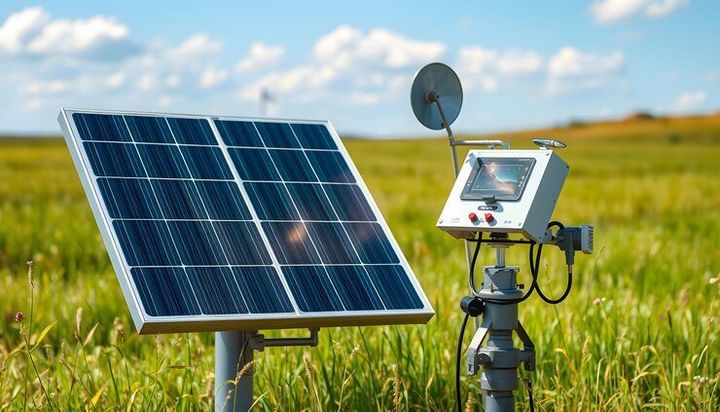
Renewable energy sensors are specialized monitoring devices used to measure environmental conditions and operational performance in clean energy systems. These sensors collect data such as temperature, sunlight intensity, wind speed, power output, and system efficiency. The information helps operators understand how renewable energy technologies perform in real-world conditions.
Renewable energy technologies such as solar panels, wind turbines, and hydropower systems rely on accurate monitoring to operate efficiently. Sensors play a critical role by collecting real-time data that can be analyzed through smart energy platforms.
As renewable energy infrastructure expands globally, the need for reliable monitoring tools has increased. Sensors help improve efficiency, reduce downtime, and support stable energy distribution.
Key Technologies Supporting Renewable Energy Sensors
Renewable energy sensors work alongside advanced digital communication systems. These technologies allow large-scale installations to monitor thousands of assets simultaneously.
- Internet of Things (IoT) connectivity
- Industrial automation systems
- Cloud-based energy monitoring platforms
- Smart grid networks
Common Types of Renewable Energy Sensors
Different types of sensors are used depending on the energy system and environmental conditions. Each sensor serves a specific monitoring purpose.
- Solar irradiance sensors
- Wind speed and direction sensors
- Temperature sensors
- Power output monitoring sensors
- Environmental condition sensors
These sensors collectively form an intelligent monitoring network that supports efficient clean energy generation.
Why Renewable Energy Sensors Matter in Modern Infrastructure
Renewable energy sensors have become increasingly important as countries transition to sustainable energy systems. Governments and energy companies depend on sensor data to ensure reliable and efficient power generation.
Sensors help address key challenges in modern energy systems by providing continuous and accurate monitoring. This enables systems to adapt to environmental changes such as sunlight and wind variations.
Key Benefits of Renewable Energy Sensors
Sensors offer several advantages that improve the overall performance of renewable energy systems.
- Improving energy efficiency
- Supporting predictive maintenance
- Enhancing grid stability
- Enabling data-driven decision-making
- Reducing operational risks
Industries Using Renewable Energy Monitoring
Several industries rely heavily on sensor-based monitoring systems to manage renewable energy production effectively.
- Utility-scale solar power plants
- Offshore and onshore wind farms
- Smart grid infrastructure
- Energy storage systems
- Electric vehicle charging networks
Sensor Applications in Renewable Energy
Sensors play a dual role by monitoring both energy generation and environmental conditions. This helps operators optimize system performance and prevent failures.
| Sensor Type | Primary Measurement | Application |
|---|---|---|
| Solar Irradiance Sensor | Sunlight intensity | Solar panel performance analysis |
| Wind Sensor | Wind speed and direction | Wind turbine efficiency monitoring |
| Temperature Sensor | Equipment temperature | Prevent overheating and damage |
| Voltage Sensor | Electrical output | Power grid monitoring |
| Environmental Sensor | Weather and climate data | Renewable energy forecasting |
Recent Developments in Renewable Energy Sensor Technology
Renewable energy monitoring technologies have evolved rapidly between 2024 and 2025. Innovations in analytics and data processing are improving system performance and reliability.
One major development is the integration of artificial intelligence with sensor networks. AI systems analyze large volumes of data to predict maintenance needs and optimize energy production.
Emerging Technology Trends
Several new trends are shaping the future of renewable energy monitoring systems.
- AI-driven predictive maintenance
- Edge computing for faster data processing
- IoT-enabled smart grid sensors
- Wireless monitoring systems for remote locations
- Digital twin technology for system simulation
Digital twin technology creates virtual models of energy systems using real-time sensor data. This allows operators to simulate performance and identify potential improvements.
Growth of Sensor Adoption in Renewable Energy
The adoption of sensor technology in renewable energy systems has steadily increased in recent years.
| Year | Adoption Trend Description |
|---|---|
| 2022 | Moderate adoption across large installations |
| 2023 | Increased deployment in smart grid infrastructure |
| 2024 | Rapid expansion in solar monitoring systems |
| 2025 | Integration with AI and predictive analytics |
Regulatory Policies and Government Programs
Renewable energy systems operate within regulatory frameworks designed to ensure safety and efficiency. Monitoring technologies, including sensors, help meet these requirements.
Governments worldwide encourage the adoption of advanced monitoring systems through various policies and programs. These frameworks emphasize transparency, reporting accuracy, and environmental responsibility.
Key Regulatory Influences
- Renewable portfolio standards
- Smart grid modernization policies
- Environmental monitoring requirements
- Energy efficiency standards
In India, initiatives such as the National Solar Mission promote digital monitoring of renewable assets. Similarly, global programs in regions like the European Union and the United States support smart grid and monitoring technologies.
Tools and Digital Resources for Renewable Energy Monitoring
A wide range of tools supports the monitoring and analysis of renewable energy systems. These tools help convert raw sensor data into actionable insights for better decision-making.
Energy monitoring platforms often combine multiple data sources, including sensor data, weather conditions, and power generation metrics.
Common Monitoring Tools
- Solar irradiance monitoring platforms
- Wind farm analytics software
- Smart grid data dashboards
- Industrial IoT platforms
- Energy forecasting tools
Digital Resources for Data Analysis
- Renewable energy data portals
- Weather forecasting platforms
- Smart grid dashboards
- Energy simulation tools
- Environmental data tracking software
Digital Monitoring Tools Overview
| Tool Category | Purpose |
|---|---|
| Solar Monitoring Software | Tracks solar panel performance and irradiance |
| Wind Data Analytics Platforms | Evaluates turbine output and wind patterns |
| Smart Grid Monitoring Systems | Analyzes grid stability and electricity flow |
| Energy Forecasting Tools | Predicts renewable energy generation |
| Environmental Monitoring Platforms | Tracks climate and weather conditions |
Frequently Asked Questions
What are renewable energy sensors used for?
Renewable energy sensors monitor environmental conditions and system performance in clean energy installations. They help improve efficiency and ensure reliable operation.
How do sensors improve renewable energy efficiency?
Sensors provide real-time data that allows operators to optimize performance and detect issues early. This leads to better energy output and reduced downtime.
What is solar irradiance monitoring?
Solar irradiance monitoring measures the intensity of sunlight reaching solar panels. This helps evaluate system efficiency and predict energy generation.
Are renewable energy sensors connected to smart grids?
Yes, many sensors are integrated into smart grid systems. They help manage electricity distribution and balance supply with demand.
What role does IoT play in renewable energy monitoring?
IoT enables sensors to transmit data continuously to cloud-based platforms. This supports real-time monitoring and automated energy management.
Conclusion
Renewable energy sensors are a vital part of modern clean energy systems. They provide real-time data that improves performance, reliability, and planning.
As renewable energy continues to expand, sensor technologies are becoming more advanced and interconnected. Innovations such as AI analytics, IoT integration, and digital twins are transforming energy monitoring.
Government policies and sustainability goals further support the adoption of these technologies. Understanding renewable energy sensors helps explain how digital tools contribute to a more efficient and sustainable energy future.