Rigid Dump Truck Overview: Performance, Design, and Working Principles
Rigid dump truck technology plays an important role in large-scale earthmoving, mining, and quarry operations around the world.
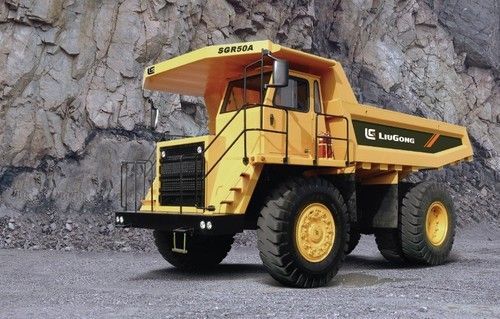
A rigid dump truck is a specialized heavy vehicle designed to transport large amounts of rock, soil, minerals, and other materials across rough terrain. Unlike standard commercial dump trucks used on public roads, these machines are built primarily for off-road environments such as mines, quarries, and major construction sites.
A rigid haul truck typically features a fixed chassis, a powerful engine, large wheels, and a heavy-duty dumping body. Because the frame does not articulate in the middle, it is known as a rigid vehicle. This design provides stability and supports high payload capacities on well-maintained haul roads.
Mining, quarrying, and infrastructure development have increased the demand for reliable material transportation equipment. As projects become larger and more complex, heavy duty dump truck designs continue to improve through advances in safety, efficiency, automation, and monitoring technology.
Context
Understanding the Purpose of a Rigid Dump Truck
A rigid dump truck is designed to move large volumes of material between excavation points and designated unloading areas. These vehicles are commonly found in mining sites, quarry operations, and major infrastructure projects where standard road vehicles cannot operate effectively.
A mining dump truck is engineered for demanding environments that involve steep grades, uneven terrain, heavy loads, and continuous operation. Strong structural components help these vehicles handle repeated loading and unloading cycles throughout long operating periods.
How the Design Differs from Other Dump Trucks
One of the defining characteristics of a rigid haul truck is its fixed frame. Unlike articulated vehicles, the front and rear sections remain permanently connected without a pivot joint.
This design creates several characteristics:
- High load capacity for large material movement
- Stable performance on prepared haul roads
- Large tires designed for rough terrain
- Heavy-duty suspension systems
- Powerful diesel or alternative power systems
- Reinforced steel dump body
Main Components
The following table summarizes the primary components of a typical off highway dump truck.
| Component | Primary Function |
|---|---|
| Chassis | Supports the entire vehicle structure |
| Engine | Generates power for movement and hydraulic systems |
| Transmission | Transfers engine power to the wheels |
| Dump Body | Holds and unloads materials |
| Hydraulic System | Raises and lowers the dump body |
| Tires | Provide traction on rough terrain |
| Braking System | Controls vehicle speed and stopping |
| Operator Cab | Houses controls and safety equipment |
Working Principles
The operating process generally follows a simple cycle:
- Material is loaded into the dump body using excavators or loaders.
- The industrial haul truck transports the load across designated haul roads.
- Hydraulic cylinders lift the dump body.
- Material is unloaded at the required location.
- The vehicle returns for another loading cycle.
This repetitive process forms the foundation of material transportation in many mining and construction operations.
Importance
Supporting Large Infrastructure Projects
Construction projects involving highways, dams, airports, rail systems, and industrial developments require continuous movement of earth and rock. A construction dump truck designed for off-road conditions can transport significantly larger loads than many road-going vehicles.
Reducing the number of transport cycles helps improve project planning while simplifying equipment scheduling.
Essential for Mining Operations
Mining haul trucks are among the most recognizable vehicles in surface mining. They transport minerals from excavation areas to crushers, processing facilities, or stockpile locations.
Without dependable haulage equipment, mining production can slow because excavation equipment depends on regular material removal.
Quarry Material Transportation
A quarry dump truck transports crushed stone, gravel, limestone, granite, and other aggregates within quarry sites. These materials support road construction, concrete production, landscaping, and industrial manufacturing.
Efficient transportation inside the quarry helps maintain a continuous production process.
Fleet Coordination
Modern mining fleet management involves coordinating multiple vehicles, loading equipment, maintenance planning, and route optimization.
Fleet managers often monitor:
- Vehicle utilization
- Fuel consumption
- Maintenance intervals
- Payload consistency
- Haul route performance
- Equipment availability
Digital monitoring systems assist operators in understanding how equipment performs during daily operations.
Understanding Articulated vs Rigid Dump Truck
The comparison between articulated vs rigid dump truck designs is common because both vehicles transport bulk materials but perform differently depending on operating conditions.
| Feature | Rigid Dump Truck | Articulated Dump Truck |
|---|---|---|
| Frame | Fixed | Pivoting joint |
| Terrain | Prepared haul roads | Uneven terrain |
| Payload | Generally higher | Generally lower |
| Turning Ability | Larger turning radius | Smaller turning radius |
| Mining Use | Common | Less common |
| Construction Use | Large projects | Mixed terrain projects |
Neither design is universally suitable for every application. Equipment selection depends on terrain, project requirements, and operational conditions.
Recent Updates
Automation Continues to Expand
Current trends show increasing adoption of autonomous technologies in heavy mining equipment. Some mining operations now use automated driving systems that assist with navigation along designated haul routes while remaining under operational supervision.
Automation may also improve traffic coordination between loaders, haul trucks, and unloading locations.
Growth of Digital Fleet Monitoring
Many construction fleet equipment operators now use connected monitoring systems that collect information about:
- Engine performance
- Fuel usage
- Tire condition
- Hydraulic pressure
- Vehicle location
- Operating hours
These systems support maintenance planning and operational analysis.
Alternative Power Technologies
Manufacturers continue researching battery-electric, hybrid, and hydrogen-powered mining haul trucks. These technologies are being evaluated for their ability to reduce emissions while maintaining performance in demanding environments.
Although diesel-powered equipment remains widely used, alternative power systems continue to receive attention across the industry.
Improved Safety Systems
Recent equipment designs increasingly include features such as:
- Collision awareness technology
- Improved visibility systems
- Camera monitoring
- Tire pressure monitoring
- Operator fatigue alerts
- Advanced braking assistance
These developments aim to improve operational awareness during material transportation.
Laws or Policies
Vehicle Safety Regulations
Rigid dump truck operation is generally governed by workplace safety regulations rather than public highway traffic rules because these vehicles usually operate on private industrial sites.
Safety requirements commonly include:
- Regular equipment inspections
- Operator competency requirements
- Safe loading procedures
- Speed management
- Brake inspections
- Emergency response planning
Environmental Requirements
Mining and construction activities are commonly subject to environmental regulations covering:
- Dust management
- Noise control
- Water management
- Fuel handling
- Waste disposal
- Air emissions
Operators typically follow site-specific environmental management plans established under applicable national or regional regulations.
Equipment Standards
Many countries apply recognized engineering standards for heavy machinery covering areas such as:
- Structural integrity
- Braking systems
- Operator protection
- Lighting
- Warning systems
- Machine stability
Mining equipment suppliers generally design machinery to meet applicable standards in the regions where the equipment operates.
Tools and Resources
Several digital resources help organizations understand and manage heavy equipment operations.
Fleet Management Platforms
Fleet management software helps monitor equipment usage, maintenance schedules, fuel consumption, and operational performance for industrial haul truck fleets.
Geographic Information Systems
Mapping platforms assist with planning haul roads, monitoring site layouts, and managing transportation routes within mines and construction areas.
Payload Monitoring Systems
Onboard payload systems estimate material weight during loading. This information supports balanced loading practices while reducing excessive loads.
Maintenance Management Software
Maintenance platforms organize inspection schedules, maintenance history, replacement parts, and equipment records.
Equipment Documentation
Manufacturers commonly provide:
- Operator manuals
- Maintenance schedules
- Parts catalogs
- Safety documentation
- Technical specifications
These resources help users understand equipment operation and maintenance requirements.
FAQs
What is a rigid dump truck?
A rigid dump truck is a large off-road vehicle designed to transport heavy materials in mining, quarry, and construction environments. It uses a fixed chassis instead of an articulated joint.
What is the difference between an articulated vs rigid dump truck?
The main difference is the frame design. A rigid haul truck has a fixed frame suited for prepared haul roads, while an articulated vehicle has a pivoting joint that provides greater flexibility on uneven terrain.
Where is a mining dump truck commonly used?
A mining dump truck is commonly used in surface mines, open-pit mining operations, large quarries, and industrial excavation projects where significant amounts of material must be transported.
How does an off highway dump truck work?
An off highway dump truck transports loaded material from one location to another within a work site. Hydraulic cylinders raise the dump body to unload the material before the vehicle returns for another loading cycle.
What equipment usually works alongside a quarry dump truck?
A quarry dump truck commonly operates with hydraulic excavators, wheel loaders, bulldozers, graders, crushers, conveyor systems, and other quarry transportation equipment to support continuous material movement.
Conclusion
Rigid dump trucks are specialized vehicles designed for transporting large quantities of material in mining, quarry, and construction environments. Their fixed-frame design, high payload capacity, and durable construction make them suitable for demanding off-road operations. Advances in automation, digital monitoring, alternative power technologies, and safety systems continue to shape the development of modern heavy mining equipment. Understanding their design, working principles, operational role, and regulatory considerations provides a clearer picture of how these vehicles support large-scale industrial projects.