Waterproofing systems are designed to create a protective barrier that prevents leaks and extends the lifespan of roofing materials. These systems are commonly used in residential buildings, commercial complexes, industrial structures, and public infrastructure projects.
Modern roof waterproofing includes several technologies such as liquid membranes, bituminous coatings, polyurethane layers, acrylic sealants, cementitious compounds, and thermoplastic sheets. Different climates and roof designs require different waterproofing approaches.
Without proper waterproofing, roofs may experience:
-
Water seepage
-
Mold and mildew growth
-
Structural weakening
-
Paint damage
-
Electrical risks
-
Interior ceiling stains
The increasing frequency of extreme weather events and urban construction growth has made waterproofing an important topic in modern infrastructure planning.
Why Roof Waterproofing Matters Today
Roof waterproofing has become more important due to changing weather patterns, rapid urbanization, and rising building maintenance concerns. In many regions, heavy rainfall and heat exposure can quickly damage unprotected roofs.
Property owners, architects, facility managers, and construction professionals now focus more on preventive building protection rather than repairing severe damage later.
Common Problems Solved by Roof Waterproofing
| Problem | How Waterproofing Helps |
|---|
| Roof leaks | Creates a moisture-resistant barrier |
| Cracks from weather | Reduces water penetration into surfaces |
| Mold formation | Controls moisture accumulation |
| Heat absorption | Reflective coatings may reduce heat retention |
| Structural corrosion | Prevents water contact with metal and concrete |
| Ceiling damage | Stops seepage before it reaches interiors |
Roof waterproofing also contributes to energy efficiency. Reflective waterproof coatings can reduce indoor heat buildup, especially in warm climates.
Buildings Commonly Using Waterproofing Systems
-
Apartment buildings
-
Warehouses
-
Shopping centers
-
Educational institutions
-
Hospitals
-
Factories
-
Parking structures
In densely populated urban areas, flat roofs often require specialized waterproof membranes because water tends to remain on horizontal surfaces longer.
Recent Updates and Trends in Roof Waterproofing
The roof waterproofing industry has evolved significantly over the past year. Many manufacturers and construction experts have focused on sustainability, energy efficiency, and climate resilience.
Eco-Friendly Waterproofing Materials
In 2025, environmentally friendly waterproof coatings became increasingly popular. Water-based acrylic coatings and low-VOC materials are being adopted in multiple countries due to environmental awareness and indoor air quality standards.
Smart Roof Monitoring Technologies
Digital sensors and moisture detection systems are now being integrated into commercial roofing systems. These technologies help identify leaks early before major structural damage occurs.
Cool Roof Technologies
Reflective waterproof coatings designed to reduce heat absorption gained attention during 2024 and 2025 due to rising global temperatures. These systems are especially relevant in regions with long summers and high UV exposure.
Growth of Green Roofing Systems
Urban planners are encouraging green roofs and rooftop gardens in some cities. Waterproof membranes are essential beneath vegetation layers to protect buildings from root penetration and water damage.
Increased Focus on Climate Resilience
Construction standards in several countries have started emphasizing stronger weather protection systems after floods and heavy storms affected urban infrastructure during 2024.
Roof Waterproofing Methods Commonly Used
Liquid Waterproof Membranes
Liquid membranes are applied as coatings that cure into flexible protective layers. They are commonly used for concrete roofs and irregular surfaces.
Bituminous Waterproofing
Bituminous systems use asphalt-based materials for water resistance. They are widely applied in flat roof construction.
Polyurethane Coatings
Polyurethane waterproofing offers flexibility and strong adhesion. It is often used in areas exposed to heavy rainfall.
Cementitious Waterproofing
This method uses cement-based compounds and is popular for simple waterproofing applications.
Thermoplastic Membranes
Single-ply membranes such as TPO and PVC are commonly used in large commercial buildings because of their durability and UV resistance.
Laws, Regulations, and Government Policies
Roof waterproofing is influenced by building regulations, environmental standards, and urban safety codes in many countries.
Governments and local construction authorities often require waterproofing compliance in commercial and multi-story structures.
Building Code Requirements
Construction regulations may specify:
-
Moisture protection standards
-
Roof drainage requirements
-
Fire resistance criteria
-
Thermal insulation rules
-
Material safety standards
In countries with heavy rainfall or cyclone-prone regions, waterproofing standards are often stricter for public infrastructure and residential developments.
Environmental Regulations
Many governments encourage the use of environmentally responsible construction materials. Low-emission waterproof coatings and recyclable roofing membranes are becoming more widely recognized under green building initiatives.
Energy Efficiency Programs
Some regions promote cool roofing systems to improve urban energy efficiency and reduce heat island effects. Reflective waterproof coatings may support sustainability goals in certified buildings.
Safety and Inspection Policies
Commercial properties may require periodic roof inspections to maintain compliance with insurance and construction standards.
Helpful Tools and Resources for Roof Waterproofing
Several digital tools and educational resources help building owners and professionals understand roof maintenance and waterproofing systems.
Useful Online Resources
-
Roof moisture assessment guides
-
Weather exposure calculators
-
Building maintenance checklists
-
Roofing material comparison tools
-
Construction code reference portals
Commonly Used Digital Tools
Roofing Calculators
These tools help estimate roof dimensions, drainage requirements, and material coverage.
Weather Monitoring Apps
Rainfall and humidity tracking apps help identify regions needing stronger waterproof protection.
Building Inspection Software
Facility managers use inspection platforms to document roof conditions and maintenance schedules.
Educational Platforms
Construction education websites and engineering publications frequently publish updates on roofing technologies, sustainability practices, and safety regulations.
Signs That a Roof May Need Waterproofing Attention
Understanding early warning signs can help reduce long-term structural issues.
Common Warning Indicators
-
Damp ceiling patches
-
Peeling interior paint
-
Water stains
-
Roof surface cracks
-
Mold growth near ceilings
-
Standing water after rainfall
-
Increased indoor humidity
Ignoring these signs may lead to more serious building deterioration over time.
Practical Tips for Maintaining Waterproofed Roofs
Keep Drainage Systems Clear
Blocked drains and gutters can increase water accumulation on roofs.
Inspect Roofs Regularly
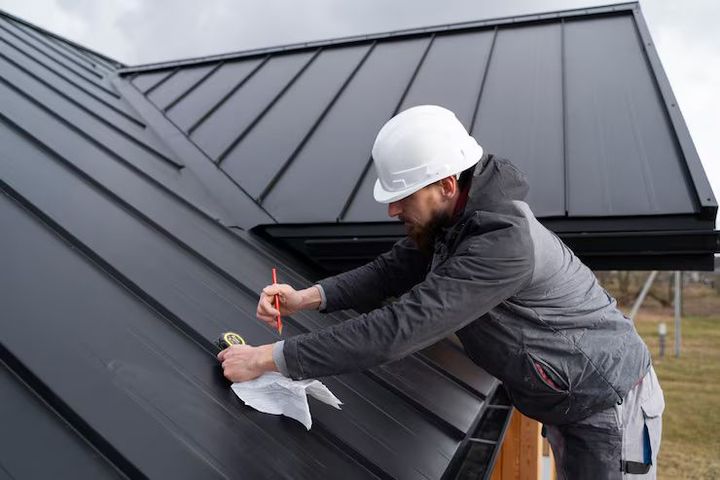
Routine inspections help identify cracks, loose materials, or damaged coatings early.
Monitor Weather Exposure
Roofs in coastal or high-rainfall regions may require more frequent maintenance checks.
Avoid Excessive Roof Load
Heavy equipment or stored materials can damage waterproof membranes.
Check Sealants Periodically
Sealants around joints, pipes, and vents may degrade over time due to UV exposure.
Frequently Asked Questions
What is the main purpose of roof waterproofing?
Roof waterproofing prevents water from entering building structures, helping reduce leaks, mold growth, and structural deterioration.
How long does roof waterproofing typically last?
The lifespan depends on the material, weather conditions, and maintenance practices. Some systems may remain effective for many years with proper upkeep.
Which roofs require waterproofing the most?
Flat roofs and low-slope roofs usually require stronger waterproofing because water drains more slowly from their surfaces.
Can waterproofing improve energy efficiency?
Yes. Reflective waterproof coatings may reduce heat absorption and support cooler indoor temperatures.
What causes waterproofing systems to fail?
Common reasons include poor installation, weather exposure, aging materials, blocked drainage systems, and lack of maintenance.
Conclusion
Roof waterproofing plays an important role in protecting buildings from moisture damage, weather exposure, and long-term structural issues. As climate conditions become more unpredictable and urban construction continues to expand, waterproofing technologies are evolving to provide stronger durability, energy efficiency, and environmental sustainability.
Modern waterproofing systems now include advanced membranes, reflective coatings, smart monitoring tools, and eco-friendly materials that support safer and more resilient buildings. Understanding roofing materials, regulations, maintenance practices, and emerging trends can help property owners and construction professionals make informed decisions.
Regular inspections, proper drainage management, and awareness of changing construction standards remain essential for maintaining durable and weather-resistant roofs in today’s environment.