Rugged Industrial Tablets Explained with Features, Benefits, and Industry Uses
Industrial workplaces often expose electronic devices to dust, moisture, vibration, extreme temperatures, and accidental impacts.
Standard consumer tablets are designed primarily for office or personal use and may struggle in these demanding conditions. Rugged industrial tablets are specifically engineered to withstand harsh environments while delivering reliable performance for field workers, technicians, engineers, logistics teams, and manufacturing professionals.
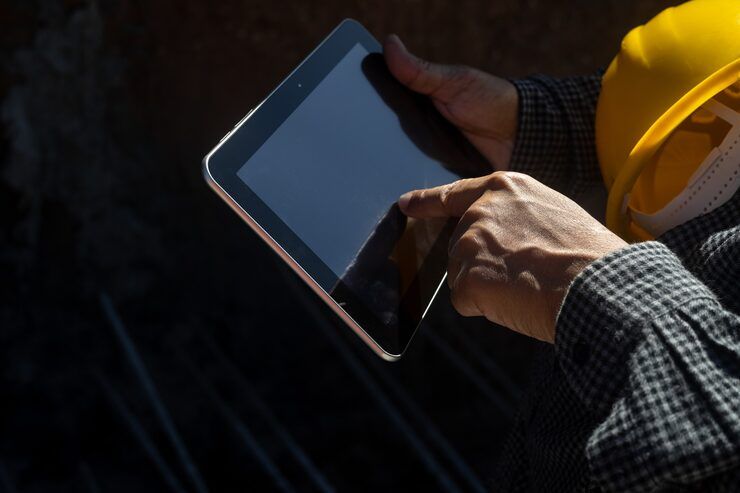
These specialized devices have become essential across industries because they combine mobility with durability, allowing employees to access critical data, complete inspections, communicate with teams, and manage operations without worrying about equipment failure. As digital transformation continues across industrial sectors, rugged tablets are playing a significant role in improving productivity, safety, and operational efficiency.
What Is a Rugged Industrial Tablet?
A rugged industrial tablet is a portable computing device designed for use in challenging work environments. Unlike conventional tablets, these devices feature reinforced construction, sealed enclosures, impact-resistant materials, and enhanced environmental protection.
Many rugged tablets comply with internationally recognized durability standards, making them suitable for industries where equipment is exposed to physical stress, harsh weather, or hazardous working conditions.
These tablets often include enterprise-grade security features, long product life cycles, and compatibility with industrial software applications, making them valuable tools for organizations that depend on reliable mobile computing.
How Rugged Tablets Differ from Consumer Tablets
Although consumer tablets offer convenience and sleek designs, they are not intended for demanding industrial environments.
Major differences include:
- Reinforced protective housing
- Water and dust resistance
- Shock-resistant construction
- Extended operating temperature range
- Replaceable batteries
- Enhanced connectivity options
- Industrial-grade barcode scanning support
- Long-term manufacturer support
- Enterprise security capabilities
- Compatibility with specialized accessories
These characteristics enable rugged tablets to continue operating in environments where standard devices may fail.
Key Features of Rugged Industrial Tablets
Durable Construction
One of the defining characteristics of rugged tablets is their reinforced design. Many models include magnesium alloy frames, strengthened corners, reinforced glass, and heavy-duty protective casings that help minimize damage from accidental drops.
Water and Dust Protection
Industrial environments frequently expose equipment to rain, dirt, chemicals, and airborne particles. Rugged tablets typically feature high ingress protection ratings that reduce the risk of damage caused by moisture and contaminants.
Bright Outdoor Displays
Workers often use tablets outdoors under direct sunlight. Rugged tablets generally feature high-brightness displays with anti-glare coatings, making information easier to read in various lighting conditions.
Touchscreen Operation with Gloves
Industrial employees commonly wear protective gloves. Rugged tablets are designed with touchscreens that remain responsive even when operated with gloved hands or in wet conditions.
Long Battery Life
Many industrial operations require extended work shifts. Rugged tablets often provide long-lasting batteries, with some models supporting hot-swappable batteries that allow replacement without shutting down the device.
Multiple Connectivity Options
Industrial tablets support various communication technologies, including:
- Wi-Fi
- Bluetooth
- GPS
- Cellular connectivity
- USB ports
- Ethernet adapters
- Serial interfaces
- NFC
These connectivity options help integrate tablets with industrial equipment and enterprise systems.
Enterprise Security
Security is increasingly important as organizations manage sensitive operational data. Rugged tablets often include:
- Biometric authentication
- Trusted Platform Module (TPM)
- Secure boot technology
- Device encryption
- Enterprise management software compatibility
Benefits of Rugged Industrial Tablets
Improved Reliability
Industrial workers depend on continuous access to information. Rugged tablets reduce unexpected device failures, helping maintain workflow continuity.
Increased Productivity
Employees can perform inspections, access manuals, complete reports, and communicate with teams directly from the field without returning to an office workstation.
Enhanced Worker Mobility
Portable computing allows personnel to move freely across facilities while remaining connected to operational systems.
Reduced Downtime
Durable hardware minimizes interruptions caused by damaged equipment, reducing maintenance requirements and supporting continuous operations.
Better Data Collection
Workers can capture photos, videos, signatures, inspection results, GPS information, and digital forms directly at job sites, improving documentation accuracy.
Support for Digital Transformation
Organizations replacing paper-based processes with digital workflows often rely on rugged tablets to improve efficiency, reporting speed, and information accessibility.
Common Industry Applications
Manufacturing
Manufacturing facilities use rugged tablets for:
- Equipment monitoring
- Production management
- Maintenance reporting
- Quality inspections
- Inventory tracking
- Digital work instructions
Logistics and Warehousing
Warehouse personnel benefit from rugged tablets for:
- Shipment tracking
- Inventory management
- Barcode scanning
- Order fulfillment
- Fleet coordination
- Delivery documentation
Construction
Construction professionals use rugged tablets to:
- Review blueprints
- Record site inspections
- Manage project documentation
- Capture progress photos
- Track equipment
- Coordinate field teams
Field Service
Technicians performing on-site maintenance use rugged tablets for:
- Service reports
- Customer documentation
- Equipment diagnostics
- Repair manuals
- Parts identification
- Remote technical support
Utilities
Electricity, gas, and water utility companies rely on rugged tablets for:
- Infrastructure inspections
- Asset management
- GIS mapping
- Meter servicing
- Emergency response
- Maintenance scheduling
Transportation
Transportation organizations use rugged tablets for:
- Fleet management
- Vehicle inspections
- Route optimization
- Driver communication
- Cargo documentation
- Regulatory compliance
Healthcare
Healthcare providers use rugged tablets in demanding clinical environments for:
- Electronic health records
- Patient documentation
- Medical equipment management
- Telemedicine support
- Asset tracking
Public Safety
Emergency responders and law enforcement agencies use rugged tablets for:
- Incident reporting
- Navigation
- Communication
- Evidence documentation
- Mobile command operations
Important Durability Standards
When evaluating rugged industrial tablets, organizations often consider recognized durability certifications.
MIL-STD Testing
Military-standard testing evaluates resistance to shock, vibration, humidity, altitude, and temperature extremes.
Ingress Protection (IP)
IP ratings measure resistance to dust and water exposure. Higher ratings generally indicate greater environmental protection.
Drop Resistance
Manufacturers frequently specify tested drop heights that indicate how well devices withstand accidental impacts.
Operating Temperature
Industrial tablets are designed to function across wider temperature ranges than standard consumer devices.
Accessories That Enhance Productivity
Many rugged tablets support specialized accessories, including:
- Vehicle docks
- Keyboard attachments
- Shoulder straps
- Hand straps
- Barcode scanners
- Smart card readers
- Vehicle chargers
- Carrying cases
- External antennas
- Styluses
These accessories allow organizations to adapt devices to different operational requirements.
Software Compatibility
Rugged tablets commonly support enterprise applications used for:
- Enterprise Resource Planning (ERP)
- Customer Relationship Management (CRM)
- Warehouse Management Systems (WMS)
- Asset management
- Maintenance management
- GIS applications
- Inspection software
- Inventory systems
- Manufacturing execution systems
Compatibility with existing enterprise software simplifies deployment and supports operational efficiency.
Factors to Consider When Choosing a Rugged Tablet
Organizations should evaluate several factors before selecting a rugged tablet:
- Environmental conditions
- Processing performance
- Display size
- Battery requirements
- Connectivity options
- Operating system compatibility
- Security features
- Accessory ecosystem
- Software integration
- Long-term product availability
Carefully matching device capabilities to operational needs helps maximize performance and user satisfaction.
Future Trends
Industrial tablets continue to evolve alongside emerging technologies. Current trends include:
- Artificial intelligence integration
- Edge computing capabilities
- Faster wireless connectivity
- Enhanced cybersecurity
- Improved battery technology
- Advanced biometric authentication
- Predictive maintenance support
- Internet of Things (IoT) integration
- Real-time analytics
- Cloud-based fleet management
These innovations are expected to further expand the role of rugged tablets in industrial environments.
Conclusion
Rugged industrial tablets have become indispensable tools for organizations operating in demanding environments. Their durable construction, advanced connectivity, enterprise-grade security, and compatibility with industrial applications enable workers to remain productive regardless of environmental challenges. As industries continue adopting digital workflows and connected technologies, rugged tablets will remain a key component of modern field operations, manufacturing, logistics, utilities, construction, healthcare, and public safety, helping organizations improve efficiency, reliability, and operational performance while supporting long-term digital transformation initiatives.