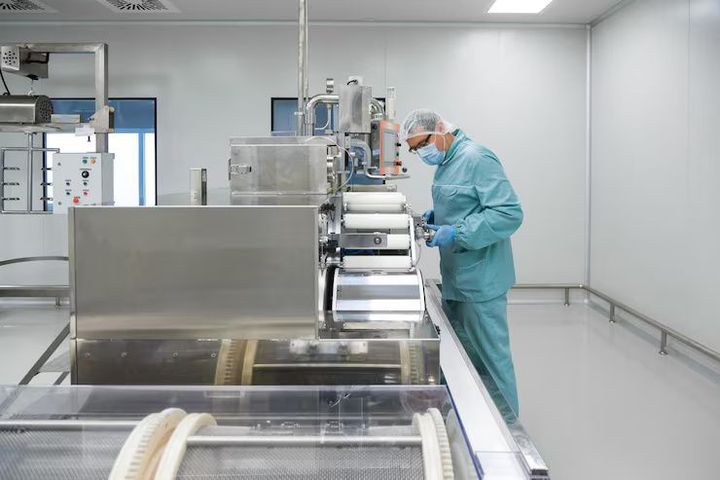
Sachet Filling Machines: Expert Tips for Better Efficiency
Modern manufacturing depends on speed, precision, and consistency. Sachet filling machines have become an essential part of industries that package powders, liquids, granules, and semi-solid products. From food and beverages to pharmaceuticals and personal care products, these machines help businesses maintain quality while increasing production output.
As global demand for convenient single-use packaging continues to grow, automated packaging systems are becoming more advanced. Smart controls, digital monitoring, and precision filling technology are helping manufacturers reduce waste and improve operational efficiency.
What Are Sachet Filling Machines?
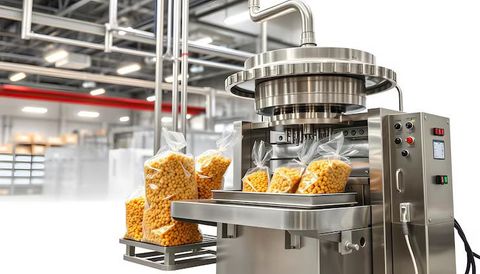
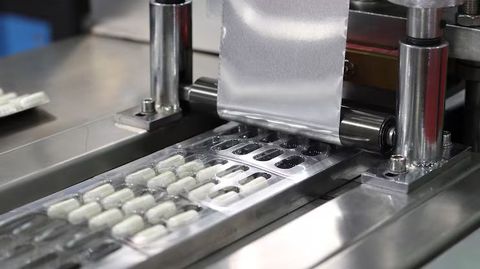
Sachet filling machines are specialized packaging systems designed to create, fill, and seal small pouches known as sachets. These machines can handle a wide range of products, including coffee, spices, sugar, sauces, shampoos, detergents, nutritional supplements, and medical powders.
A typical system performs several tasks in one process:
Forming the sachet
Packaging material is shaped into the desired pouch format.
Filling the product
A measured quantity of product is dispensed with high accuracy.
Sealing the package
Heat or pressure sealing technology securely closes the sachet.
Cutting and output
The finished sachets are separated and prepared for packing.
Modern vertical form fill seal machines can perform these operations continuously, helping production facilities achieve high throughput.
Why Packaging Efficiency Matters
Packaging is more than just a final production step. It directly affects product quality, inventory management, and operational profitability.
An efficient sachet filling system can provide several advantages:
- Improved production speed
- Better filling accuracy
- Lower material waste
- Reduced labor dependency
- Enhanced product consistency
- Better compliance with quality standards
Industry reports suggest that automated packaging solutions can significantly reduce production downtime while improving overall equipment effectiveness.
Different Types of Sachet Filling Machines
Choosing the right machine depends on product characteristics and production requirements.
Powder Sachet Filling Machines
These machines are commonly used for spices, protein powders, flour, coffee, and pharmaceutical products. Auger filling systems ensure precise measurement.
Liquid Sachet Filling Machines
Suitable for sauces, oils, syrups, beverages, and cosmetic products. Advanced pumps help maintain accurate filling volumes.
Granule Filling Machines
Designed for products such as sugar, salt, seeds, rice, and detergents. Volumetric cup systems often provide reliable performance.
Multi-Lane Packaging Machines
High-capacity production facilities often use multi-lane systems that produce several sachets simultaneously, increasing output without expanding floor space.
Expert Tips for Better Efficiency
Proper machine management can dramatically improve productivity and reduce unnecessary costs.
Select the Right Filling Technology
Different products require different filling methods. Powders, liquids, and granules each have unique flow characteristics. Matching the technology to the product reduces waste and improves precision.
Focus on Preventive Maintenance
Routine inspection helps avoid unexpected breakdowns. Cleaning sealing jaws, checking sensors, and lubricating moving parts can extend machine life and maintain stable performance.
Train Machine Operators
Well-trained operators can quickly identify small issues before they become major production problems. Understanding machine settings also improves packaging consistency.
Monitor Filling Accuracy
Regular calibration ensures every sachet contains the correct amount of product. This is especially important for pharmaceutical packaging and food processing industries where strict standards apply.
Optimize Packaging Materials
High-quality packaging films improve sealing performance and reduce rejection rates. Material compatibility is a key factor in long-term efficiency.
Use Data-Driven Automation
Many modern machines include digital displays and smart monitoring features. Production data can help managers identify bottlenecks and improve operational planning.
Latest Trends in Sachet Packaging Technology
The packaging industry continues to evolve with new innovations.
Smart Manufacturing
Industrial automation and connected equipment allow real-time production tracking and predictive maintenance.
Energy-Efficient Systems
Manufacturers are adopting machines that consume less power while maintaining high production rates.
Sustainable Packaging
Many companies are exploring recyclable and environmentally friendly packaging materials to meet changing consumer expectations.
Artificial Intelligence Integration
AI-based monitoring systems can detect filling variations and adjust machine settings automatically, improving product consistency.
Common Challenges and Practical Solutions
Even advanced equipment can face operational issues.
Inconsistent Filling
This may result from incorrect calibration or product flow problems. Regular adjustments help maintain accuracy.
Poor Sealing Quality
Temperature settings and packaging material compatibility should be checked frequently.
Machine Downtime
Preventive maintenance schedules and spare part planning can reduce unexpected interruptions.
Product Waste
Optimizing filling parameters and operator training can significantly minimize material loss.
Industries That Depend on Sachet Filling Machines
Many sectors rely on sachet packaging technology for efficient production.
Food and Beverage
Coffee, sugar, sauces, spices, milk powder, and nutritional products.
Pharmaceutical Industry
Medical powders, oral rehydration salts, and health supplements.
Cosmetics and Personal Care
Shampoo, lotion, cream, and skincare samples.
Chemical Industry
Detergents, agricultural products, and industrial powders.
The flexibility of these machines makes them valuable across global manufacturing markets.
How to Maximize Long-Term Performance
Long-term success depends on balancing technology with proper operational practices. Investing in automation, maintaining equipment regularly, monitoring production data, and using suitable packaging materials all contribute to higher efficiency.
As packaging demands continue to increase worldwide, sachet filling machines will remain an important part of industrial automation. Businesses that focus on precision, quality control, and continuous improvement are better positioned to meet changing market expectations and maintain competitive production standards.