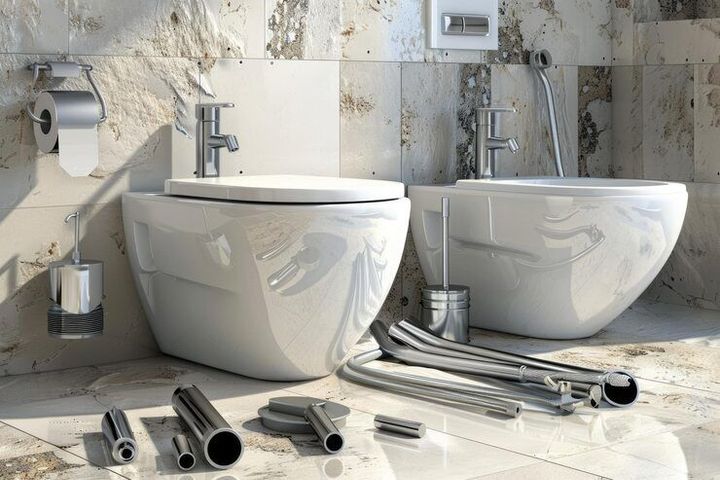
Sanitaryware Refurbishment: Complete Guide to Restoring Bathroom Fixtures
Bathrooms experience daily use, making sanitaryware one of the most heavily used parts of any property. Over time, sinks, toilets, bathtubs, shower trays, and wash basins may develop stains, scratches, chips, discoloration, or worn surfaces. In many situations, these fixtures remain structurally sound but no longer look fresh or clean. This is where sanitaryware refurbishment becomes an option worth understanding.
Sanitaryware refurbishment focuses on restoring the appearance and functionality of existing bathroom fixtures rather than replacing them. Whether in homes, apartments, hotels, healthcare facilities, educational buildings, or commercial spaces, refurbishment can help extend the usable life of sanitaryware while reducing unnecessary waste.
This guide explains what sanitaryware refurbishment involves, how it works, where it is commonly used, its advantages, limitations, and the factors that influence long-term results.
What Is Sanitaryware Refurbishment?
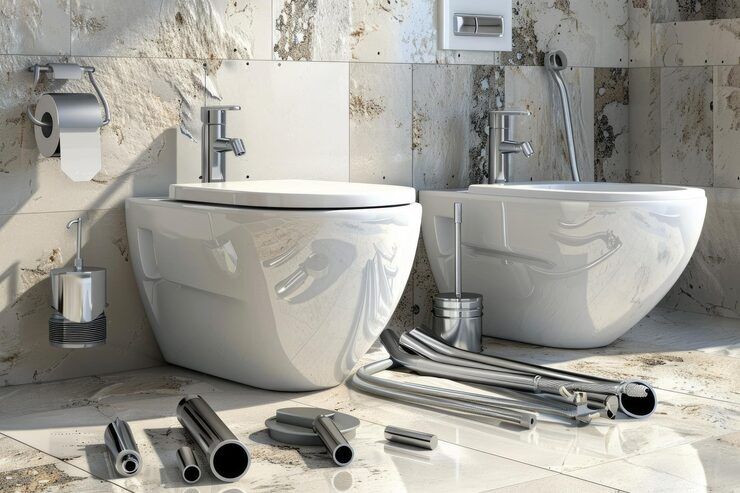
Sanitaryware refurbishment is the process of repairing, restoring, and refinishing bathroom fixtures that have become worn through regular use. Instead of removing an entire fixture, refurbishment targets surface damage and restores a cleaner appearance.
Common fixtures suitable for refurbishment include:
- Bathtubs
- Wash basins
- Toilets
- Shower trays
- Bidets
- Ceramic sinks
- Enamel surfaces
Depending on the condition of the fixture, refurbishment may involve cleaning, repairing chips or cracks, smoothing damaged areas, and applying a fresh finishing layer.
The goal is to improve appearance while helping the fixture continue functioning as intended.
Why Fixtures Become Worn
Bathroom fixtures face continuous exposure to moisture, cleaning products, changing temperatures, and daily use. Even high-quality sanitaryware can gradually show signs of wear.
Common causes include:
- Surface scratches
- Chipped edges
- Mineral deposits
- Rust stains
- Hard water marks
- Fading finishes
- Small impact damage
- Long-term discoloration
- Chemical residue from strong cleaners
These issues often affect appearance more than structural strength, making refurbishment a practical option in many situations.
Common Types of Sanitaryware That Can Be Refurbished
Different materials respond differently to restoration techniques.
Ceramic Fixtures
Ceramic wash basins and toilets are among the most common items restored. Surface polishing and refinishing can improve visible wear.
Porcelain Surfaces
Porcelain sanitaryware is known for durability, but chips and stains may develop over time. Refurbishment can restore much of its original appearance.
Acrylic Bathtubs
Acrylic tubs often develop scratches and dull surfaces. Careful refinishing can improve their look without replacing the entire bathtub.
Enamel Fixtures
Older enamel baths and sinks may lose their glossy finish after years of use. Restoration methods can help renew the surface.
Shower Trays
Frequent foot traffic and constant water exposure may leave shower trays looking worn. Surface repair and refinishing can improve both appearance and ease of cleaning.
The Sanitaryware Refurbishment Process
Although methods vary depending on the material and condition, refurbishment generally follows several steps.
1. Inspection
The fixture is examined to identify scratches, chips, stains, cracks, or other surface damage.
2. Thorough Cleaning
Any soap residue, mineral buildup, grease, or dirt is removed so the surface is ready for restoration.
3. Surface Repair
Small chips, dents, and damaged areas are filled and carefully smoothed to create an even surface.
4. Surface Preparation
The fixture is prepared using techniques that help the new finish bond properly.
5. Refinishing
A new protective coating is applied to restore color, shine, and a smoother finish.
6. Curing
The coating is allowed sufficient time to harden before the fixture returns to normal use.
Each step contributes to the overall durability and appearance of the finished surface.
Benefits of Sanitaryware Refurbishment
Refurbishment provides several practical advantages in many buildings.
Extends Fixture Life
Restoring existing sanitaryware can help it remain usable for many additional years.
Reduces Material Waste
Keeping existing fixtures in place means fewer materials are discarded, supporting more sustainable building practices.
Less Disruption
Replacing bathroom fixtures often involves plumbing work, tile removal, and extended downtime. Refurbishment usually requires fewer structural changes.
Improved Appearance
A restored surface can make an older bathroom appear cleaner and more modern.
Suitable for Multiple Property Types
Residential homes, hotels, offices, schools, hospitals, and rental properties often choose refurbishment as part of ongoing maintenance programs.
When Refurbishment May Not Be Suitable
While refurbishment works well for many fixtures, it is not appropriate in every situation.
Replacement may be more appropriate if:
- The fixture has major structural cracks.
- Severe water damage is present.
- The sanitaryware no longer functions correctly.
- Plumbing connections require significant changes.
- The fixture has extensive internal damage.
A careful inspection helps determine whether restoration or replacement is the more suitable option.
Factors That Affect Long-Term Results
Several factors influence how long a refurbished surface continues looking good.
Quality of Surface Preparation
Proper cleaning and preparation help the finish adhere evenly.
Daily Use
Fixtures used by many people every day naturally experience more wear.
Cleaning Methods
Using gentle cleaning products and non-abrasive tools helps preserve the restored surface.
Moisture Control
Good ventilation reduces prolonged moisture exposure, helping maintain the finish over time.
Caring for Refurbished Sanitaryware
Routine maintenance plays an important role in preserving refurbished fixtures.
Helpful care practices include:
- Wipe surfaces regularly.
- Remove standing water when practical.
- Avoid abrasive scouring pads.
- Use soft cloths or sponges.
- Clean stains before they become permanent.
- Avoid dropping heavy objects onto ceramic or enamel surfaces.
Simple maintenance habits can help keep refurbished sanitaryware looking clean for longer.
Environmental Considerations
Construction and renovation projects generate significant amounts of waste. Extending the life of existing fixtures helps reduce the number of usable products entering disposal facilities.
Refurbishment also reduces the need for manufacturing replacement fixtures, lowering the demand for raw materials and industrial processing.
For property owners interested in reducing environmental impact, restoring existing sanitaryware can contribute to more sustainable renovation practices.
Common Applications
Sanitaryware refurbishment is commonly found in a variety of settings.
These include:
- Residential houses
- Apartment buildings
- Hotels
- Student accommodation
- Healthcare facilities
- Schools
- Office buildings
- Sports centers
- Public washrooms
- Hospitality properties
Each location may have different maintenance schedules depending on usage levels and environmental conditions.
Signs That Refurbishment May Be Worth Considering
Several visible signs indicate that refurbishment could improve bathroom fixtures.
These include:
- Yellowing surfaces
- Persistent stains
- Dull finishes
- Small chips
- Fine scratches
- Minor cracks in surface coatings
- Rough textures
- Worn enamel
- Surface discoloration
If the fixture remains structurally sound, restoration may help improve both appearance and usability.
Final Thoughts
Sanitaryware refurbishment provides a practical approach to restoring bathroom fixtures that have become worn through everyday use. Rather than replacing sinks, bathtubs, toilets, or shower trays immediately, refurbishment focuses on repairing surface damage and renewing their appearance.
Understanding the refurbishment process, suitable materials, maintenance practices, and realistic expectations helps property owners make informed decisions about bathroom maintenance. When combined with regular care, refurbished sanitaryware can continue providing reliable everyday use while reducing unnecessary material waste and supporting more sustainable building management.