Screws and Bolts Overview: Essential Facts, Types, and Engineering Applications
Screws and bolts are threaded fasteners used to join parts together in buildings, machines, vehicles, furniture, and many other products. Industrial screw manufacturers and industrial bolt suppliers produce these items in many shapes, sizes, and material grades so they can suit different environments and loading conditions.
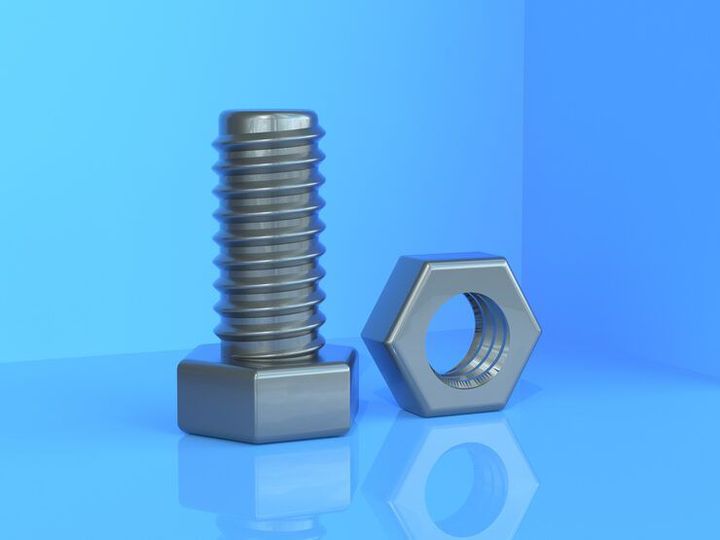
A screw usually threads directly into a material or a matching hole. A bolt usually passes through aligned parts and is secured with a nut. The difference may seem small, but it matters in design, maintenance, and structural planning.
Fasteners have existed for centuries in simple forms, but modern production has made them far more precise. Precision screw manufacturing now supports industries that need consistent dimensions, reliable thread forms, and repeatable performance.
Why Fasteners Exist
Screws and bolts exist because many structures need to be assembled in a way that can hold firm under vibration, movement, heat, or pressure. They also allow parts to be taken apart later for inspection or repair.
OEM screw and bolt manufacturers often create items for specific equipment, while OEM fastener manufacturers may make families of fasteners that fit particular machines, assemblies, or production lines. This helps ensure compatibility across large industrial systems.
Common Categories of Screws and Bolts
Different designs serve different purposes.
- Machine screws for equipment and enclosures.
- Wood screws for timber applications.
- Self-tapping screws for sheet materials.
- Hex bolts for structural and industrial use.
- Anchor bolts for concrete foundations.
- Stud bolts for heavy assemblies.
- Socket screws for compact mechanical systems.
A fastener’s thread, head shape, length, coating, and material all influence how it performs.
Importance
Supporting Buildings and Infrastructure
Many people encounter screws and bolts every day without noticing them. Structural bolts for construction hold steel frames, bridges, stair systems, rail components, and support structures together.
These fasteners are essential in projects that need strong and predictable connections. If the wrong size or grade is used, the connection may not perform as expected.
Supporting Machinery and Equipment
Factories, workshops, and energy facilities depend on heavy duty industrial bolts and related screws to keep equipment assembled under vibration and load. Pumps, motors, frames, guards, and access panels all rely on fasteners.
A connection that loosens can affect machine stability, alignment, and long-term wear. For that reason, correct selection and installation matter in mechanical systems.
Importance in Transportation
Automotive fastener suppliers provide parts used in vehicles, engines, chassis systems, interiors, and assemblies. The automotive sector needs large quantities of standardized fasteners with consistent quality.
Screws and bolts are also used in rail vehicles, aircraft components, agricultural machines, and marine equipment. Each application has its own load, corrosion, and temperature requirements.
Material Selection Matters
Stainless steel bolt suppliers provide fasteners that resist corrosion in damp or outdoor environments. Other materials may be used where strength, heat resistance, or cost balance is more important.
The material choice affects durability, maintenance needs, and how the fastener behaves over time. Industrial screw manufacturers often offer multiple grades to match different conditions.
Common Industrial Uses
Screws and bolts are found in:
- Construction and structural steel.
- Transportation systems.
- Industrial machinery.
- Electrical enclosures.
- Agricultural equipment.
- HVAC units.
- Consumer appliances.
Because they appear in so many sectors, fastener quality influences many everyday products and systems.
Major Types of Screws and Bolts
Structural Bolts for Construction
Structural bolts for construction are designed for loads and connections in steel structures and large frameworks. Their dimensions and material grades are often defined by engineering standards.
These bolts are commonly used with washers and nuts in load-bearing assemblies.
High Tensile Bolts
High tensile bolts manufacturers produce bolts made for higher strength applications. These bolts are selected when connections must carry greater loads or resist force more effectively than standard grades.
They are common in machinery, bridges, transportation systems, and industrial frameworks.
Stainless Steel Fasteners
Stainless steel fasteners are used where corrosion resistance is important. They appear in food processing, marine, outdoor, and medical equipment environments.
The grade of stainless steel influences resistance to rust, chemicals, and temperature variation.
Precision Screws
Precision screw manufacturing focuses on tight tolerances and exact thread geometry. These screws may be used in electronics, instruments, medical devices, and compact mechanical assemblies.
Small variations can matter in these applications, so measurements are carefully controlled.
Heavy Duty Industrial Bolts
Heavy duty industrial bolts are used in applications where vibration, pressure, or structural loading is significant. These bolts often appear in plant equipment, large frames, and transportation hardware.
Their performance depends on design, material, surface treatment, and installation method.
Comparison of Common Fastener Types
| Fastener Type | Common Use | Typical Strength Focus |
|---|---|---|
| Machine screw | Equipment assemblies | Precision fit |
| Wood screw | Timber construction | Holding power |
| Hex bolt | Industrial and structural use | Load capacity |
| Anchor bolt | Concrete attachment | Foundation stability |
| Socket screw | Compact machines | Space efficiency |
| Stud bolt | Heavy assemblies | Clamp force |
Recent Updates
Digital Manufacturing and Traceability
Between 2024 and 2026, fastener production has seen more use of digital control systems. Manufacturers now track production data, batch records, and inspection results more closely than in earlier periods.
This supports traceability, which is important when parts are used in critical industries. OEM fastener manufacturers increasingly use digital systems to document material origin and testing records.
More Attention to Surface Treatments
Coatings and surface finishes have become more important in fastener design. Protective layers can improve corrosion resistance, reduce galling, or support specific installation requirements.
Industrial bolt suppliers and industrial screw manufacturers often provide fasteners with coatings suited to particular environments.
Sustainability and Material Efficiency
Manufacturing organizations are paying more attention to material use and waste reduction. This has encouraged improvements in production efficiency and recycling practices.
Some companies also examine long-term durability, since longer-lasting fasteners can reduce replacement frequency in certain applications.
Automation in Production
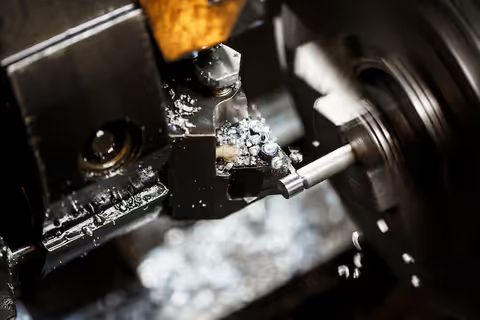
Precision screw manufacturing now often includes computer-controlled machining, sorting, and inspection systems. These methods help maintain consistent dimensions and thread quality.
Automated systems also support higher output while allowing detailed quality checks.
Common Fastener Performance Factors
| Factor | Why It Matters | Example Influence |
| Material grade | Strength and corrosion resistance | Stainless steel for moisture exposure |
| Thread design | Fit and load transfer | Fine thread for controlled tightening |
| Surface coating | Environmental protection | Zinc or protective finishes |
| Head style | Tool access | Hex or socket heads |
| Length | Connection depth | Structural and mechanical fit |
Laws or Policies
Standards and Engineering Codes
Screws and bolts are often governed by technical standards that define size, thread type, strength grade, and testing methods. These standards help engineers compare parts and specify them for different uses.
Different countries may reference ISO, ASTM, DIN, or similar frameworks depending on the industry and region.
Construction and Structural Rules
Structural bolts for construction usually fall under building codes and engineering requirements. These rules may define installation methods, inspection needs, and acceptable material grades.
Such requirements help ensure that assembled structures perform as designed.
Product Quality and Testing Rules
Industrial screw manufacturers and industrial bolt suppliers often test tensile strength, hardness, corrosion resistance, and dimensional accuracy. Testing documentation may be part of quality control or compliance programs.
In some sectors, traceability is also important, particularly where equipment safety is a concern.
Workplace Safety Considerations
Fasteners are installed in environments that may include heavy equipment, elevated structures, or powered tools. Safety rules often cover installation procedures, torque control, and inspection practices.
Proper fastening helps reduce the chance of loosening, misalignment, or mechanical failure.
Tools and Resources
Thread Gauges and Measuring Tools
Thread gauges, calipers, and micrometers help check size, pitch, and dimensions during production or inspection. These tools are common in manufacturing and maintenance work.
Torque Charts and Specifications
Torque charts provide guidance on tightening values for screws and bolts. They are used in maintenance, assembly, and structural work to support correct installation.
Engineering Design Software
Computer-aided design tools help engineers choose fastener types and plan assemblies. These programs can model fit, spacing, and load transfer.
Material Testing Laboratories
Testing labs evaluate material properties such as tensile strength, corrosion resistance, and hardness. These assessments support product selection and quality control.
Inventory and Production Systems
Enterprise inventory platforms help track batches, specifications, and stock levels. They are especially useful for OEM screw and bolt manufacturers and larger industrial users.
FAQs
What do industrial screw manufacturers produce?
Industrial screw manufacturers produce threaded fasteners used in machinery, construction, electronics, and other applications. Their products may vary in size, head shape, material, and thread form.
How do industrial bolt suppliers differ from general hardware sellers?
Industrial bolt suppliers focus on fasteners intended for machinery, structural, transportation, and manufacturing use. These items often follow more detailed specifications than simple household fasteners.
What are structural bolts for construction used for?
Structural bolts for construction are used in steel frameworks, bridges, support systems, and other load-bearing assemblies. They are selected for strength and reliable connection performance.
Why are stainless steel bolt suppliers important?
Stainless steel bolt suppliers provide fasteners suited to environments where corrosion resistance is important, such as outdoor, marine, food, and moisture-prone settings.
What is precision screw manufacturing?
Precision screw manufacturing refers to the production of screws with closely controlled dimensions, thread quality, and material consistency. These screws are often used in equipment that requires exact fit and reliable function.
Conclusion
Screws and bolts are small components with a large role in industry, transportation, and construction. Industrial screw manufacturers, industrial bolt suppliers, and OEM fastener manufacturers help supply parts used in many essential systems. The right fastener depends on strength, material, thread type, and application requirements. Understanding these details helps explain why simple-looking parts remain important in modern engineering