Semiconductor Manufacturing Technology Overview: Essential Concepts and Industry Insights
Semiconductor manufacturing technology is the foundation of modern electronics. From smartphones and computers to automobiles and medical devices, semiconductors make it possible for electronic systems to process information, store data, and perform complex tasks.
These tiny components, often called chips or integrated circuits, are produced through highly controlled manufacturing processes.
The development of semiconductor manufacturing began in the mid-20th century as researchers explored materials capable of controlling electrical conductivity. Over time, semiconductor fabrication technology evolved from relatively simple production methods to highly advanced processes involving nanometer-scale structures. Today, chip manufacturing technology combines materials science, chemistry, physics, engineering, and automation.
Semiconductor manufacturing involves transforming raw silicon into functional electronic chips through multiple stages. These stages include wafer preparation, circuit pattern creation, material deposition, etching, testing, packaging, and quality control. Modern semiconductor production systems rely on sophisticated equipment and highly precise manufacturing environments.
A semiconductor fabrication plant, often called a fabrication facility or fab, is designed to minimize contamination and maintain strict environmental controls. Even microscopic particles can affect production quality, making cleanliness and precision essential parts of semiconductor process technology.
Understanding Semiconductor Materials
Silicon remains the most widely used material in semiconductor manufacturing due to its electrical properties and availability. Other materials such as gallium nitride and silicon carbide are increasingly used for specialized applications, particularly in power electronics and communication systems.
These materials enable electronic devices to switch, amplify, and regulate electrical signals efficiently. As electronic devices become more powerful and compact, the demand for advanced semiconductor fabrication technology continues to grow.
Key Manufacturing Stages
The semiconductor manufacturing process generally includes:
- Silicon wafer production
- Photolithography and circuit patterning
- Material deposition
- Etching and cleaning
- Doping and ion implantation
- Testing and inspection
- Packaging and assembly
Each stage contributes to creating functional semiconductor devices capable of supporting modern technologies.
Importance
Semiconductor manufacturing technology plays a critical role in everyday life. Many products that people use daily depend on semiconductor chips to function properly. Communication networks, transportation systems, healthcare equipment, industrial machinery, and consumer electronics all rely on semiconductor components.
As digital technologies expand, semiconductor manufacturing affects a wide range of industries. The availability and performance of chips influence the development of artificial intelligence, cloud computing, renewable energy systems, and advanced communication networks.
Supporting Modern Technology
Semiconductors are essential because they enable:
- Data processing in computers and servers
- Communication through mobile devices
- Navigation systems in vehicles
- Medical imaging and diagnostic equipment
- Industrial automation systems
- Smart home and connected devices
Without semiconductor production systems, many modern technologies would not operate effectively.
Economic and Industrial Impact
Semiconductor fabrication plants represent significant industrial infrastructure. They contribute to research, manufacturing capacity, technology development, and supply chain stability. Many countries consider semiconductor manufacturing a strategic industry due to its importance in technology and economic development.
The increasing demand for electronic devices has also highlighted the importance of resilient semiconductor manufacturing systems. Production disruptions can affect multiple industries simultaneously, demonstrating the interconnected nature of modern supply chains.
Recent Updates
Recent developments in semiconductor manufacturing technology have focused on increasing efficiency, reducing energy consumption, and improving chip performance. Manufacturers continue to advance wafer fabrication technology by creating smaller and more complex circuit structures.
Growth of Advanced Process Nodes
One notable trend is the continued development of smaller transistor architectures. Advanced semiconductor process technology enables more transistors to fit onto a single chip, supporting greater computing power while improving energy efficiency.
These advancements are particularly important for artificial intelligence applications, high-performance computing systems, and data centers.
Expansion of Manufacturing Capacity
Many regions have invested in new semiconductor fabrication plants to strengthen domestic manufacturing capabilities. Governments and private organizations have supported projects intended to diversify production locations and improve supply chain resilience.
This trend reflects growing interest in reducing dependence on limited manufacturing regions and increasing production flexibility.
Increased Manufacturing Automation
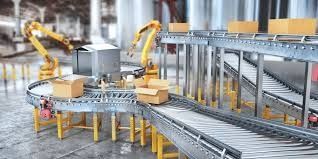
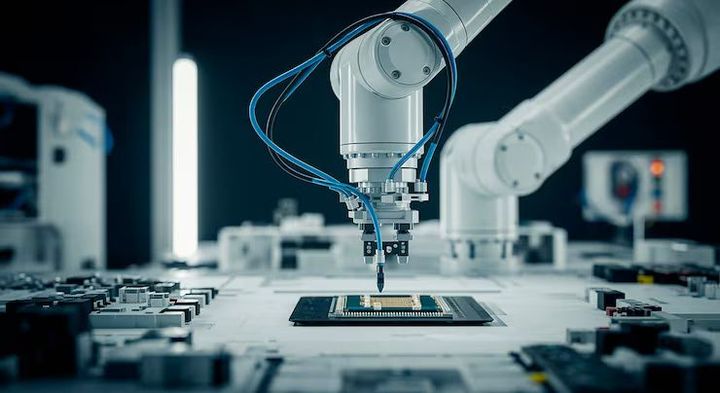
Semiconductor manufacturing automation has become increasingly important. Modern facilities use robotics, automated material handling systems, machine learning tools, and real-time monitoring technologies.
Automation helps manufacturers:
- Improve production consistency
- Reduce contamination risks
- Monitor equipment performance
- Increase operational efficiency
- Support predictive maintenance programs
As production complexity increases, automation is expected to remain a major component of semiconductor manufacturing.
Advances in Packaging Technology
Semiconductor packaging technology has evolved significantly. Advanced packaging techniques allow multiple chips to be combined into compact assemblies that improve performance and communication between components.
Packaging innovations help address challenges related to power consumption, heat management, and device miniaturization.
Laws or Policies
Government policies influence semiconductor manufacturing through research funding, trade regulations, environmental standards, and industrial development programs. While regulations vary by country, several common policy areas affect semiconductor manufacturing technology.
Environmental Regulations
Semiconductor fabrication requires chemicals, water, and energy resources. Environmental regulations often address:
- Water usage and conservation
- Chemical handling procedures
- Waste management practices
- Air emission controls
- Energy efficiency requirements
Manufacturers must comply with these standards to maintain safe and environmentally responsible operations.
Industrial Development Programs
Many governments have introduced initiatives aimed at supporting semiconductor production and technological research. These programs may focus on:
- Research and development activities
- Infrastructure development
- Educational partnerships
- Manufacturing capacity expansion
- Supply chain resilience
Such policies are intended to strengthen long-term technological capabilities and industrial competitiveness.
Export and Trade Controls
Semiconductor manufacturing equipment and advanced chip technologies are often subject to trade regulations. Governments may establish export controls related to specific technologies, manufacturing tools, or production capabilities.
These policies can influence global supply chains and the movement of semiconductor-related technologies between countries.
Tools and Resources
A variety of tools and resources support semiconductor manufacturing, research, education, and industry analysis.
Industry Organizations
Several organizations publish information related to semiconductor manufacturing technology, standards, and industry developments. Examples include:
- SEMI
- IEEE
- JEDEC
These organizations provide technical resources, publications, and industry standards.
Design and Simulation Platforms
Engineers often use electronic design automation software to create and test semiconductor designs before production begins. Simulation tools help identify potential design issues and improve manufacturing outcomes.
Manufacturing Monitoring Systems
Modern semiconductor production systems utilize:
| Tool Category | Primary Purpose |
|---|---|
| Process Monitoring Systems | Track production performance |
| Yield Analysis Software | Identify manufacturing variations |
| Equipment Management Platforms | Monitor machinery health |
| Quality Inspection Systems | Detect defects and contamination |
| Data Analytics Tools | Analyze production information |
These tools support decision-making and operational efficiency throughout manufacturing processes.
Semiconductor Manufacturing Equipment
Semiconductor manufacturing equipment includes specialized systems for:
- Lithography
- Etching
- Deposition
- Ion implantation
- Inspection
- Metrology
- Cleaning
Each equipment category performs a specific role within wafer fabrication technology and contributes to overall production quality.
Semiconductor Testing Equipment
Semiconductor testing equipment verifies that chips function according to design requirements. Testing occurs at multiple stages throughout production and helps identify defects before products reach final assembly.
Testing systems may evaluate electrical performance, reliability, thermal characteristics, and signal integrity.
FAQs
What is semiconductor manufacturing technology?
Semiconductor manufacturing technology refers to the collection of processes, equipment, materials, and techniques used to produce semiconductor devices such as integrated circuits and microchips. It includes wafer fabrication, testing, packaging, and quality control activities.
What is the difference between semiconductor manufacturing and semiconductor fabrication technology?
Semiconductor manufacturing is the complete production process from raw materials to finished chips. Semiconductor fabrication technology specifically focuses on creating circuits and structures on semiconductor wafers inside a fabrication facility.
What equipment is used in semiconductor manufacturing?
Semiconductor manufacturing equipment includes lithography systems, deposition tools, etching machines, ion implantation equipment, cleaning systems, inspection tools, and semiconductor testing equipment. Each tool supports a specific production stage.
What is a semiconductor fabrication plant?
A semiconductor fabrication plant is a specialized facility where semiconductor wafers are processed into electronic chips. These facilities operate under strict environmental controls to minimize contamination and maintain production precision.
Why is semiconductor manufacturing automation important?
Semiconductor manufacturing automation helps improve consistency, reduce contamination risks, increase production efficiency, and support real-time monitoring. Automation also assists manufacturers in managing increasingly complex production processes.
Conclusion
Semiconductor manufacturing technology forms the foundation of modern electronic systems and digital infrastructure. Through advanced semiconductor process technology, wafer fabrication technology, automation, testing, and packaging, manufacturers produce the chips used in countless devices worldwide. Recent developments continue to focus on efficiency, performance, automation, and manufacturing capacity expansion. As technology evolves, semiconductor manufacturing remains a central component of innovation across multiple industries.