Learn Industrial Water Purify Systems for Modern Industrial Water Management
Water is one of the most valuable resources in industrial operations.
It is used in manufacturing, food processing, pharmaceuticals, power generation, mining, textiles, chemical production, and many other sectors. However, untreated water often contains minerals, suspended solids, microorganisms, and chemical contaminants that can reduce equipment performance, affect production quality, and increase maintenance requirements. This is why industrial water purification has become an essential part of modern industrial water management.
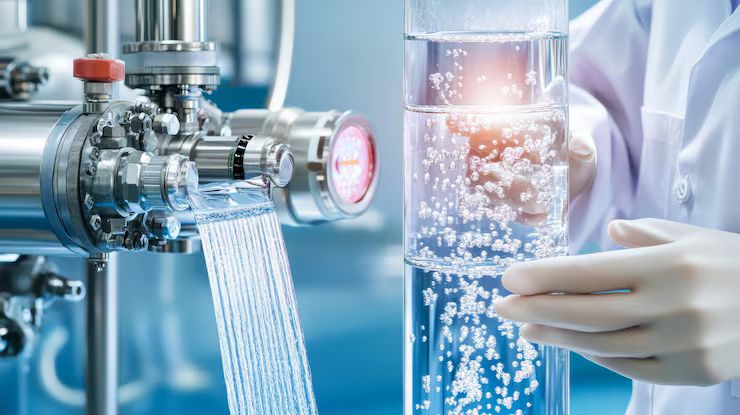
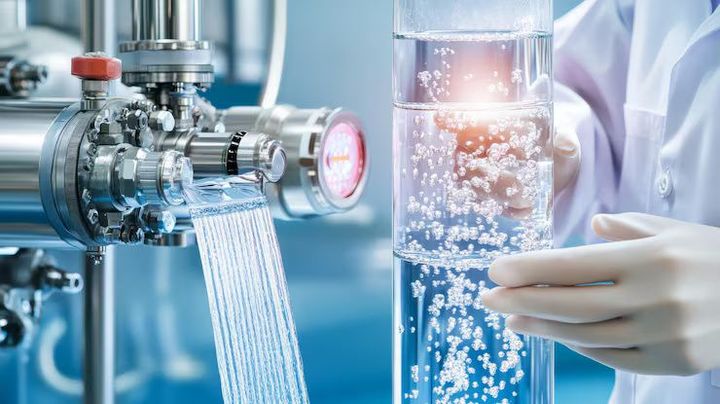
Today's industrial water purification systems combine advanced filtration technologies, automated monitoring, and efficient treatment processes to produce water suitable for specific industrial applications. Rather than relying on a single method, modern facilities often use multiple treatment stages that work together to achieve the required water quality.
This guide explains how industrial water purification works, explores common industrial water treatment methods, discusses major system components, and highlights emerging technologies shaping the future of industrial water management.
What Is Industrial Water Purification?
Industrial water purification refers to the process of removing physical, chemical, and biological impurities from water so it can be safely used in industrial operations. The required level of purification depends on the intended application, as different industries have different water quality requirements.
For example, water used in cooling systems may require different treatment than water used in pharmaceutical manufacturing or food processing.
Industrial water purification supports:
- Manufacturing processes
- Equipment protection
- Product quality
- Water recycling
- Environmental compliance
- Operational efficiency
Modern purification systems are designed to deliver consistent water quality while supporting sustainable water use.
Why Industrial Water Treatment Is Important
Untreated or poorly treated water can create several operational challenges.
Common issues include:
- Scale formation
- Corrosion
- Equipment fouling
- Reduced heat transfer efficiency
- Microbial growth
- Product contamination
- Increased maintenance
- Shortened equipment lifespan
Industrial water treatment helps minimize these risks while improving the reliability and performance of industrial systems.
In many industries, effective water treatment also supports regulatory compliance and responsible environmental management.
Understanding Industrial Water Sources
Industrial facilities obtain water from various sources depending on location and operational needs.
Common water sources include:
- Municipal water supplies
- Groundwater
- Surface water
- Rainwater collection
- Recycled process water
- Desalinated water
Each source contains different characteristics that influence the type of industrial water purification system required.
How Industrial Water Purification Works
Industrial water purification generally follows multiple treatment stages rather than relying on one technology.
A typical treatment process includes:
- Water intake and preliminary screening
- Removal of suspended solids
- Chemical or biological treatment where required
- Fine filtration
- Advanced purification
- Quality monitoring
- Distribution to industrial processes
Each stage prepares the water for the next, gradually improving its quality until it meets operational requirements.
Main Components of Water Purification Systems
Modern water purification systems integrate several interconnected technologies.
Pre-Treatment Equipment
Pre-treatment removes larger particles that could interfere with downstream treatment equipment.
Examples include:
- Screening systems
- Sedimentation tanks
- Clarifiers
- Coagulation units
These processes improve the efficiency of later treatment stages.
Industrial Water Filtration Systems
Industrial water filtration removes suspended solids, fine particles, and other contaminants.
Common filtration technologies include:
- Sand filtration
- Multimedia filters
- Cartridge filters
- Activated carbon filters
Filtration improves water clarity while protecting sensitive industrial equipment.
Membrane Technologies
Advanced membrane systems separate extremely small contaminants from water.
Widely used membrane technologies include:
- Microfiltration
- Ultrafiltration
- Nanofiltration
- Reverse osmosis
Each technology removes different contaminant sizes depending on industrial requirements.
Disinfection Systems
Some industrial applications require microorganisms to be controlled before water enters production systems.
Common disinfection methods include:
- Ultraviolet treatment
- Ozonation
- Controlled chemical disinfection
The selected approach depends on the specific industrial application.
Monitoring and Control Systems
Modern industrial water purification increasingly relies on digital monitoring.
Sensors continuously measure factors such as:
- Water pressure
- Flow rate
- Conductivity
- Temperature
- pH
- Turbidity
Automated monitoring helps operators maintain consistent system performance.
Comparing Common Industrial Water Treatment Methods
| Treatment Method | Primary Purpose | Typical Application |
|---|---|---|
| Sedimentation | Remove larger particles | Initial treatment |
| Sand Filtration | Remove suspended solids | General filtration |
| Activated Carbon | Reduce organic compounds | Water polishing |
| Reverse Osmosis | Remove dissolved contaminants | High-purity water |
| Ultraviolet Treatment | Control microorganisms | Final disinfection |
| Ion Exchange | Reduce dissolved minerals | Process water conditioning |
Most facilities combine several methods to achieve the required water quality.
Applications of Industrial Water Purification
Industrial water purification supports numerous industries.
Common applications include:
Manufacturing
Clean process water helps improve product consistency while protecting production equipment.
Food and Beverage Processing
Water quality plays an important role in maintaining hygiene and supporting production standards.
Pharmaceutical Manufacturing
Highly purified water is essential for many pharmaceutical production processes.
Power Generation
Water treatment helps reduce scaling and corrosion in boilers and cooling systems.
Chemical Processing
Controlled water quality supports process stability and equipment reliability.
Textile Manufacturing
Purified water contributes to consistent dyeing, washing, and finishing processes.
Each industry tailors its industrial water treatment system to meet specific operational requirements.
Industrial Water Filtration and Sustainability
Water conservation has become an increasingly important objective for industrial facilities.
Modern industrial water filtration systems often support:
- Water recycling
- Water reuse
- Reduced freshwater consumption
- Improved process efficiency
- Reduced wastewater generation
By treating and reusing water where appropriate, industries can improve resource efficiency while supporting long-term environmental goals.
Automation in Water Purification Systems
Digital technologies continue to improve industrial water management.
Many facilities now incorporate:
- Automated process controls
- Remote monitoring
- Smart sensors
- Data analytics
- Predictive maintenance
- Real-time performance dashboards
Automation helps improve consistency while allowing operators to identify potential issues before they affect production.
Challenges in Industrial Water Treatment
Despite technological advances, several challenges remain.
Variable Water Quality
Incoming water quality may change due to seasonal conditions or source variations.
Treatment systems must adapt to these fluctuations while maintaining consistent output.
Equipment Maintenance
Filters, membranes, pumps, and valves require regular inspection and maintenance to maintain performance.
Energy Consumption
Some purification technologies require significant energy input, encouraging ongoing improvements in system efficiency.
Membrane Fouling
Advanced filtration membranes can gradually accumulate contaminants that reduce efficiency if not properly maintained.
Regulatory Requirements
Industrial facilities must continually monitor water quality to meet applicable environmental and operational standards.
Future Trends in Industrial Water Purification
Innovation continues to transform industrial water treatment technologies.
Emerging developments include:
- Artificial intelligence-assisted process optimization
- Internet of Things (IoT) monitoring
- Smart membrane technologies
- Energy-efficient treatment equipment
- Advanced water recycling systems
- Digital twin simulations
- Machine learning for predictive maintenance
- Improved automation and remote operation
These technologies support more efficient water management while helping industries respond to growing sustainability expectations.
Best Practices for Efficient Water Management
Successful industrial water purification involves more than installing treatment equipment.
Good operational practices include:
- Regular water quality monitoring
- Preventive equipment maintenance
- Efficient filtration management
- Staff training
- Continuous process evaluation
- Timely replacement of filtration media
- Data-driven performance analysis
- Water conservation planning
These practices help maximize system reliability while supporting consistent production quality.
Frequently Asked Questions
What is industrial water purification?
Industrial water purification is the process of removing contaminants from water so it meets the quality requirements of industrial applications such as manufacturing, power generation, food processing, and pharmaceuticals.
What is the difference between industrial water treatment and industrial water filtration?
Industrial water treatment includes all purification processes, including chemical, biological, and physical methods, while industrial water filtration specifically focuses on removing suspended particles and impurities through filtration technologies.
Why are water purification systems important in industry?
Water purification systems improve equipment performance, reduce maintenance, support product quality, increase operational efficiency, and help industries meet environmental and regulatory requirements.
Which industries commonly use industrial water purification?
Manufacturing, food processing, pharmaceuticals, chemical production, power generation, textiles, mining, and many other industries rely on industrial water treatment systems.
How is automation improving industrial water management?
Automation enables continuous monitoring, predictive maintenance, real-time data analysis, remote system control, and improved treatment consistency across industrial water purification systems.
Conclusion
Industrial water purification has become a fundamental part of modern industrial water management, helping organizations maintain reliable operations, protect valuable equipment, and support consistent production quality. By combining industrial water filtration, advanced membrane technologies, automated monitoring, and comprehensive industrial water treatment processes, today's water purification systems provide efficient solutions for a wide range of industrial applications.
As industries continue to focus on sustainability, digital transformation, and resource conservation, industrial water purification will play an increasingly important role in supporting efficient operations and responsible water management. Understanding how these systems function enables businesses and professionals to appreciate the technologies that help deliver clean, reliable water throughout modern industrial environments.