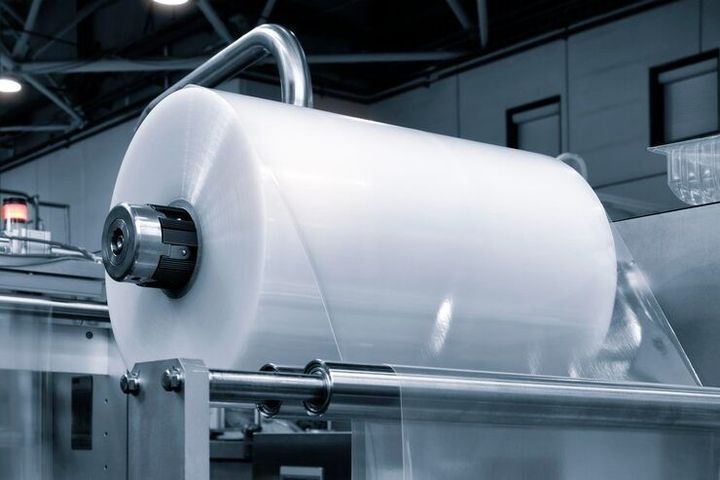
Shrink Wrap Machine Guide: Explore Types, Components, Applications, Benefits, and Planning Factors
A shrink wrap machine is packaging equipment used to surround products or groups of products with a plastic film that contracts when exposed to controlled heat. The process creates a close-fitting layer around the packaged item, helping hold products together and providing a protective covering during handling, storage, and transportation.
Shrink wrapping developed from the broader use of plastic films in packaging. As manufacturers needed faster and more consistent ways to package individual products and product groups, machines were developed to automate film feeding, sealing, cutting, and heat-shrinking operations.
Today, shrink wrap machines are used in many environments, including manufacturing plants, food and beverage packaging, consumer goods production, printing and publishing, electronics, pharmaceuticals, household products, and distribution facilities. Machine designs range from compact manual systems to continuous automatic lines integrated with conveyors and other packaging equipment.
How Shrink Wrapping Works
The basic process involves placing a product inside or beneath a suitable shrink film, sealing the film around the product, and applying controlled heat. The heat causes the film to contract around the product and form a relatively tight package.
Different films behave differently when heated. Common materials include polyethylene (PE), polyolefin (POF), and PVC films, although the appropriate material depends on the application, product characteristics, packaging requirements, and applicable regulations.
Main Stages of the Process
A typical shrink wrapping process can include several stages:
- Film feeding moves the packaging film from a roll toward the product.
- Product positioning places the item correctly within the film.
- Sealing closes or cuts the film around the product.
- Heat application causes the film to contract.
- Cooling allows the package to stabilize before further handling.
Not every shrink wrap machine performs all these steps in the same way. Manual, semi-automatic, and automatic machines use different combinations of mechanisms and controls.
Importance
Shrink wrapping matters because packaging can influence how products are grouped, protected, handled, stored, and presented. A properly selected packaging process can help reduce exposure to dust and moisture during ordinary handling while keeping multiple items together.
The technology is also relevant to production efficiency. Manual packaging can require repeated film cutting, sealing, and heating, while automated equipment can coordinate these activities through conveyors, sensors, controllers, and heating systems.
Applications Across Industries
Shrink wrap machines are used for many product categories. Common applications include:
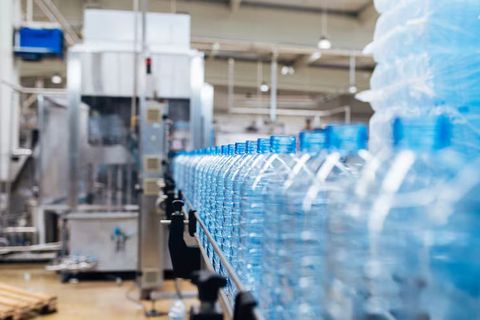
- Beverage containers grouped into packs
- Boxes and cartons
- Printed materials and publications
- Household products
- Consumer electronics accessories
- Industrial components
- Food products where the selected film and packaging arrangement are appropriate
- Retail product multipacks
- Products prepared for transportation or storage
The suitability of shrink wrapping depends on the physical properties of the product and the required packaging conditions.
Practical Benefits
Shrink wrapping can provide several practical benefits when the process is properly matched to the application. The film can hold multiple items together, create a compact outer layer, and provide a visible package around the product.
The process can also be integrated into automated packaging lines. Conveyors, sensors, sealing systems, and heat tunnels can work together to reduce repeated manual handling.
However, shrink wrapping is not appropriate for every product. Heat-sensitive materials may require alternative packaging methods, while certain food, medical, or chemical applications may have additional material and packaging requirements.
Types of Shrink Wrap Machines
Shrink wrap machines are generally classified according to how much of the packaging process they automate and how products move through the equipment.
Manual Shrink Wrap Machines
Manual systems require an operator to position the product, place or fold the film, and operate the sealing mechanism. The product may then be moved to a separate heat source or shrinking chamber.
These systems are relatively simple in design and are often used where packaging volumes are limited or product dimensions vary significantly.
Semi-Automatic Shrink Wrap Machines
Semi-automatic machines combine operator involvement with mechanical or electronic assistance. An operator may position products while the machine automatically performs part of the sealing, cutting, or shrinking process.
This configuration can provide a balance between manual control and process automation.
Automatic Shrink Wrap Machines
Automatic machines can integrate product feeding, film application, sealing, cutting, and heat shrinking. Conveyor systems commonly move products through different stages.
Automatic equipment is generally designed for repeated packaging operations and can be connected with upstream and downstream equipment.
L-Bar Sealers
An L-bar sealer uses two heated sealing bars arranged in an L shape. The bars seal and cut the film around the product, after which the package may move through a shrink tunnel.
Side-Seal Machines
Side-seal machines use continuous sealing mechanisms that can accommodate products with varying lengths. They are commonly incorporated into automated packaging lines.
Shrink Tunnels
A shrink tunnel is a heated enclosure through which film-covered products pass. Controlled heat causes the film to contract around the product.
A tunnel may be used as part of a complete shrink wrapping system rather than as a standalone packaging machine.
Components
The exact configuration differs between machines, but several components are commonly found in shrink wrapping equipment.
Film Holder and Feeding System
The film holder supports the roll of shrink film. Feeding rollers or similar mechanisms guide the film toward the sealing area while maintaining controlled movement.
Sealing System
The sealing mechanism closes the film around the product and separates the package from the remaining film. Depending on the machine, sealing may involve heated bars, continuous bands, or other cutting and sealing arrangements.
Heating System
The heating system provides the controlled temperature needed to shrink the film. It may include heating elements, fans, temperature sensors, and airflow controls.
Conveyor
Conveyors transport products between packaging stages. They may be adjustable to accommodate different product dimensions and production arrangements.
Control Panel
The control panel allows operators to monitor or adjust settings such as temperature, conveyor speed, sealing time, and operating modes. Modern systems may use digital displays, programmable controllers, and electronic sensors.
Safety Components
Guards, emergency-stop controls, thermal protection, electrical protection, and other safety mechanisms may be incorporated depending on the machine design. Operators should follow the specific safety instructions provided for the equipment.
Planning Factors
Selecting and planning a shrink wrapping process involves more than choosing a machine based on its physical size. The product, film, production arrangement, operating environment, and packaging objectives all influence the appropriate configuration.
Product Dimensions
Product length, width, height, weight, shape, and surface characteristics influence film dimensions and machine capacity. Irregularly shaped products may require different sealing or film-feeding arrangements from rectangular boxes.
Film Selection
Film selection is a major planning factor. PE films are commonly used for applications requiring strength and grouping, while polyolefin films are used across many consumer-product applications. PVC film remains associated with certain packaging applications but requires consideration of material characteristics and environmental requirements.
The film thickness, shrink ratio, sealing behavior, clarity, strength, and temperature requirements should correspond to the product and machine.
Production Volume
The expected packaging volume affects the level of automation required. A low-volume operation may use manual or semi-automatic equipment, while continuous production may require automatic feeding, sealing, and shrinking.
Available Space
The machine footprint should account for the equipment itself as well as operator access, product movement, film storage, ventilation, and maintenance access. A shrink tunnel may also require additional clearance around heated areas.
Heat and Ventilation
Shrink wrapping involves heated equipment and can generate heat and film-related emissions depending on the material. The workplace should therefore account for ventilation, temperature control, electrical requirements, and manufacturer-specified operating conditions.
Recent Updates
From 2024 through 2026, shrink wrapping has continued to develop alongside wider trends in automated packaging, material efficiency, digital controls, and plastic-waste management.
Packaging equipment increasingly incorporates sensors, programmable controls, automatic film tracking, digital temperature monitoring, and conveyor synchronization. These features can help coordinate multiple stages of the packaging process and provide more information about machine operation.
Automation and Digital Monitoring
Modern automated systems can use sensors to detect products, control conveyor movement, monitor sealing conditions, and regulate tunnel temperature. Some packaging lines can also exchange operating information with broader manufacturing or warehouse systems.
These developments reflect a wider movement toward connected production equipment. The degree of automation varies significantly between machine configurations.
Film and Material Developments
Film manufacturers continue to develop materials with different thicknesses, mechanical properties, shrink characteristics, and recyclability considerations. Packaging planners increasingly need to consider the entire packaging system rather than only machine performance.
In India, BIS currently lists IS 2508:2024, the fourth revision covering polyethylene films and sheets, with testing information that includes properties such as thickness, tensile strength, elongation, tear resistance, and puncture resistance.
Plastic Waste Management
Plastic packaging regulation has also become an important planning factor. India's Plastic Waste Management framework includes Extended Producer Responsibility requirements for specified plastic packaging. The 2024 amendment includes recycling targets that increase across successive years for relevant packaging categories.
This means packaging decisions increasingly involve material selection, waste handling, recycling, and documentation in addition to the mechanical packaging process.
Laws or Policies
In India, shrink wrapping can be affected by rules concerning plastic packaging, packaged commodities, food-contact materials, workplace safety, and waste management. The exact requirements depend on the product, film material, packaging purpose, and organization involved.
Plastic Waste Management Rules
The Plastic Waste Management Rules and subsequent amendments establish requirements for plastic packaging and Extended Producer Responsibility for obligated entities. The 2024 amendment specifies recycling targets for different plastic packaging categories and provides related requirements for producers, importers, brand owners, manufacturers, and other participants.
Organizations using plastic shrink film should therefore consider whether their packaging falls within applicable plastic-packaging requirements and whether registration, reporting, recycling, or EPR obligations apply.
Legal Metrology Requirements
For retail pre-packaged commodities, India's Legal Metrology framework covers declarations such as the manufacturer's or packer's information, country of origin where applicable, generic name, net quantity, manufacturing information, maximum retail price, and consumer-related information.
The Department of Consumer Affairs has also considered amendments to the Legal Metrology (Packaged Commodities) Rules in recent years. A 2024 government release described proposed changes concerning declarations for retail pre-packaged commodities and noted exclusions for certain industrial and institutional packages.
The packaging film itself does not replace required product labeling. Where a product is subject to labeling rules, the required information must be provided in the manner prescribed by the applicable regulations.
Food-Contact Packaging
Where shrink film comes into direct contact with food, additional requirements can apply. BIS identifies Indian Standards related to plastics intended for contact with foodstuffs, including standards covering polyethylene, polypropylene, PVC, and other plastic materials.
The relevant food-packaging requirements should be checked for the specific material and application rather than assuming that every shrink film is suitable for food contact.
Tools and Resources
Several resources can help with shrink wrap machine planning and packaging assessment.
Machine Specifications
A machine specification sheet can be used to record maximum product dimensions, film width, sealing dimensions, tunnel dimensions, conveyor capacity, temperature range, electrical requirements, and operating speed.
Film Selection Charts
Film technical data sheets can provide information about thickness, shrink percentage, tensile properties, sealing temperature, and recommended applications. These documents help compare film characteristics with machine capabilities.
Packaging Calculators
Packaging calculators can help estimate film dimensions based on product measurements and packaging arrangements. The actual film requirement depends on the machine configuration, sealing method, product shape, and required overlap.
BIS Resources
BIS provides the Know Your Standard portal, which allows users to search standards by Indian Standard number or keyword. The portal includes access to standard-related documents, amendments, testing information, laboratories, and other details.
Planning Data Table
| Planning factor | Information to assess |
|---|---|
| Product size | Length, width, height, and shape |
| Product weight | Weight per package or group |
| Film type | PE, POF, PVC, or another suitable film |
| Film thickness | Thickness required for the application |
| Sealing method | L-bar, side seal, or continuous seal |
| Heat system | Heat tunnel or integrated shrinking chamber |
| Production volume | Packages expected within a production period |
| Automation | Manual, semi-automatic, or automatic |
| Space | Machine footprint and operator access |
| Electrical requirements | Voltage, power, and connection requirements |
| Waste management | Film collection and applicable plastic-waste requirements |
| Product regulations | Food, retail, labeling, or other applicable requirements |
FAQs
What is a shrink wrap machine?
A shrink wrap machine is packaging equipment that surrounds products with shrink film and uses controlled heat to contract the film around the product. Machines may be manual, semi-automatic, or automatic.
How does a shrink wrap machine work?
The machine feeds film around a product, seals or cuts the film, and applies controlled heat. The film contracts as it heats, creating a close-fitting outer layer around the packaged item.
What are the main components of a shrink wrap machine?
Common components include a film holder, film-feeding mechanism, sealing system, heating elements, temperature controls, conveyor, control panel, and safety components. Automatic systems may also include sensors and programmable controllers.
What types of shrink wrap machines are available?
Common types include manual shrink wrap machines, semi-automatic systems, automatic machines, L-bar sealers, side-seal machines, and shrink tunnels. A complete packaging line may combine several of these functions.
What factors should be considered when planning a shrink wrapping system?
Important factors include product dimensions, film type and thickness, packaging volume, sealing method, machine speed, available floor space, heat management, electrical requirements, applicable packaging regulations, and plastic-waste responsibilities.
Conclusion
A shrink wrap machine combines film handling, sealing, and controlled heating to create a close-fitting package around individual products or product groups. Machine types range from manual systems to automated packaging lines with conveyors, sensors, and digital controls. Planning requires consideration of product dimensions, film properties, production requirements, workplace conditions, and applicable Indian packaging and waste-management rules. Recent developments have placed greater attention on automation, material efficiency, digital monitoring, and plastic-waste management.