Smart Building Equipment: Complete Guide to Modern Automation Systems and Energy Efficiency
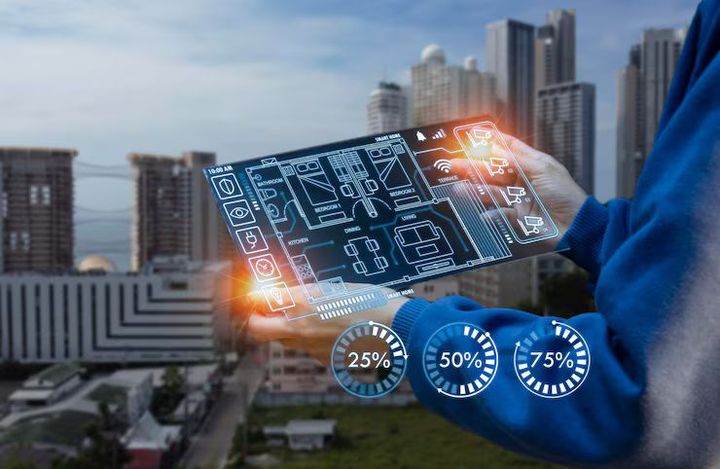
Smart building equipment refers to interconnected technologies that automate and optimize building operations. These systems combine sensors, software platforms, and intelligent devices to monitor and control functions such as lighting, heating, ventilation, air conditioning (HVAC), security, and energy management.
Smart building equipment refers to advanced technologies that automate and optimize building operations using connected systems and real-time data. Unlike traditional buildings that rely on manual controls, smart buildings use integrated platforms to improve efficiency and performance.
These systems combine Building Automation Systems (BAS) and Internet of Things (IoT) devices to monitor and control various functions. As buildings become more complex, smart solutions help manage energy, comfort, and safety effectively.
Key Components of Smart Building Systems
Smart building equipment includes a variety of interconnected devices that work together through centralized systems. These components enable automated responses based on real-time conditions.
Core Equipment Used
- Building automation controllers
- Smart HVAC sensors and thermostats
- Energy management systems (EMS)
- Intelligent lighting controls
- Occupancy sensors
- Security and access control systems
- Smart meters and monitoring devices
How These Systems Work
All devices communicate through a Building Management System (BMS), which collects and analyzes data. Based on this data, the system automatically adjusts lighting, temperature, and other functions.
For example, if a room is unoccupied, the system can reduce lighting and cooling to save energy. This automation improves efficiency without requiring manual intervention.
Why Smart Building Equipment Matters Today
Smart building technologies are increasingly important due to rising energy consumption and environmental concerns. They help reduce waste while improving building performance and occupant comfort.
Who Benefits from Smart Buildings
- Facility managers overseeing operations
- Property developers designing modern infrastructure
- Businesses operating in commercial spaces
- Government institutions focusing on sustainability
- Residents in smart residential complexes
Key Challenges Addressed
- High energy consumption
- Inefficient facility management
- Complex maintenance requirements
- Indoor air quality issues
- Security and access control concerns
Smart systems provide real-time monitoring and predictive maintenance. This allows organizations to make data-driven decisions and improve operational efficiency.
Recent Developments and Trends in 2025
The smart building industry has evolved rapidly, with several key trends shaping its future. These innovations focus on improving automation, connectivity, and intelligence.
Major Technology Trends
- Integration of AI for predictive analytics and optimization
- Expansion of edge computing for faster data processing
- Adoption of 5G connectivity for large-scale buildings
- Use of digital twins for simulation and planning
- Enhanced cybersecurity for connected systems
AI-powered systems can detect inefficiencies and predict equipment failures. Meanwhile, edge computing reduces latency by processing data locally instead of relying entirely on cloud platforms.
Digital twin technology enables virtual building models that simulate performance. This helps identify improvements in energy usage and system efficiency before implementation.
Regulations and Government Policies
Smart building technologies are influenced by regulations related to energy efficiency and sustainability. Governments are encouraging the adoption of advanced building systems through various policies.
Key Policy Areas
| Policy Area | Purpose |
|---|---|
| Energy Efficiency Codes | Reduce energy consumption in buildings |
| Smart Infrastructure Programs | Promote digital building technologies |
| Environmental Regulations | Lower greenhouse gas emissions |
| Data Security Standards | Protect connected building systems |
In India, initiatives supported by the Bureau of Energy Efficiency (BEE) promote energy-efficient infrastructure. Globally, certifications like LEED encourage sustainable building practices.
Helpful Tools and Digital Resources
Smart building management relies on various digital tools that support monitoring, analysis, and automation. These tools help facility teams manage complex systems efficiently.
Common Tool Categories
- Building management platforms for centralized control
- Energy monitoring software for consumption tracking
- IoT device management platforms for connectivity
- Simulation tools for design and performance analysis
Smart Building Technology Overview
| Technology | Function |
|---|---|
| Smart Sensors | Monitor occupancy, temperature, humidity |
| Building Automation Systems | Coordinate building equipment |
| Energy Management Systems | Analyze and optimize energy usage |
| Smart Lighting Controls | Adjust lighting based on occupancy |
| Access Control Systems | Manage entry and security monitoring |
Key Metrics Monitored
- Energy consumption levels
- Indoor air quality
- Equipment runtime and performance
- Occupancy patterns
These tools provide valuable insights that enable better decision-making and operational efficiency.
Frequently Asked Questions
What is smart building equipment?
Smart building equipment includes automated systems that monitor and control HVAC, lighting, energy, and security using connected technologies.
How does a building automation system work?
It connects sensors, controllers, and software platforms to collect data and automatically adjust building operations.
What role does IoT play?
IoT enables devices to communicate with building systems, allowing real-time monitoring and automation.
Are smart buildings only for commercial use?
No, they are used in residential, healthcare, educational, and industrial facilities as well.
How do they improve energy efficiency?
They analyze usage data and automatically optimize systems to reduce unnecessary energy consumption.
Conclusion
Smart building equipment represents a major advancement in modern infrastructure. By combining automation, IoT, and data analytics, these systems improve efficiency, sustainability, and user comfort.
As energy concerns and environmental goals grow, smart technologies are becoming essential in both new and existing buildings. Innovations like AI, digital twins, and advanced connectivity are further enhancing capabilities.
Understanding these systems helps stakeholders make informed decisions about building management. Smart building solutions will continue to play a key role in the development of future smart cities.