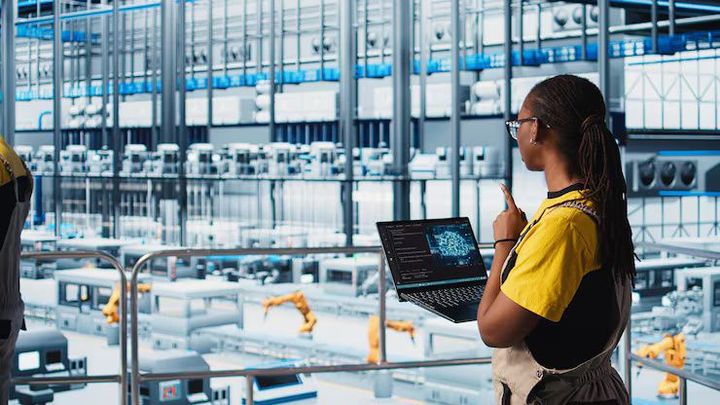
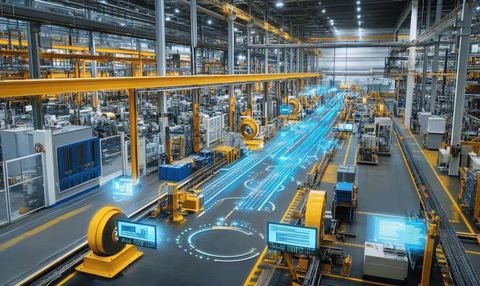
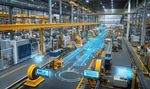
Smart factory integration emerged from the broader movement known as Industry 4.0, which focuses on digital transformation in manufacturing. Traditional factories often operate with isolated systems, where machines and departments function independently. Smart integration connects these systems so they can share real-time data and respond automatically to changes.
In simple terms, smart factory integration allows equipment, sensors, and management platforms to communicate continuously. This communication supports better decision-making, predictive maintenance, and optimized workflows.
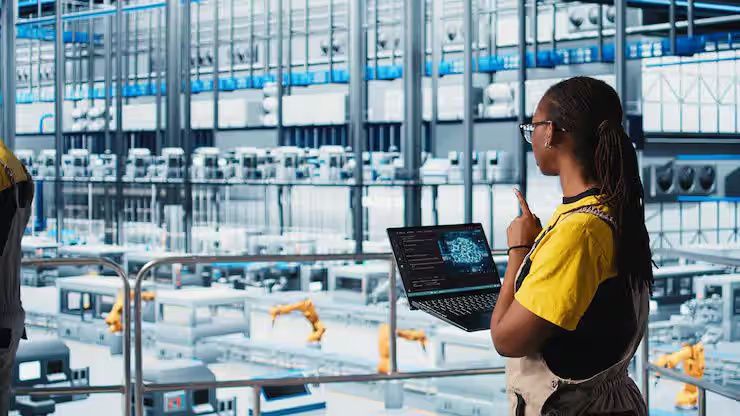
Why Smart Factory Integration Matters Today
Manufacturing industries worldwide face rising competition, supply chain disruptions, and increasing demand for customization. Smart factory integration helps address these challenges by improving visibility, flexibility, and operational efficiency. It enables organizations to respond quickly to market changes and production issues.
Key Groups Affected
-
Manufacturing companies
-
Plant managers and engineers
-
IT and automation professionals
-
Supply chain coordinators
-
Government and regulatory bodies
Problems It Helps Solve
-
Lack of real-time production visibility
-
High downtime due to unexpected machine failure
-
Data silos between departments
-
Inefficient resource usage
-
Limited scalability
With connected systems, factories can monitor production lines in real time, identify bottlenecks quickly, and adjust schedules automatically. Predictive analytics can detect unusual patterns in machine performance, reducing unexpected breakdowns.
Traditional vs Smart Integrated Factories
| Feature | Traditional Factory | Smart Integrated Factory |
|---|
| Data Access | Manual or delayed | Real-time dashboards |
| Maintenance | Reactive | Predictive |
| System Connectivity | Limited | Fully connected |
| Decision Making | Manual | Data-driven |
| Flexibility | Low | High |
As digital manufacturing expands globally, smart factory integration has become a strategic priority rather than a future concept.
Recent Updates and Trends in 2025
Over the past year, several trends have influenced smart factory integration. These trends show a shift toward more intelligent, decentralized, and secure systems.
AI-Driven Quality Control
In 2025, manufacturers are increasing investments in AI-driven quality control systems. Machine vision combined with deep learning enables faster defect detection during production. This reduces waste and improves compliance with quality standards.
Edge Computing Growth
Edge computing adoption has grown significantly. Instead of sending all data to cloud servers, factories process critical data locally. This reduces latency and strengthens cybersecurity control.
Digital Twin Integration
A digital twin is a virtual model of a physical production system. More organizations now use digital twins to simulate workflow changes before implementing them on the factory floor. This improves planning accuracy and reduces risks.
Cybersecurity Focus
Cybersecurity has become a higher priority following global ransomware incidents in 2024. Many firms have strengthened network segmentation and adopted zero-trust security models. These steps help protect sensitive operational data.
Sustainability and Energy Monitoring
Sustainability is influencing integration strategies. Real-time energy monitoring systems help factories reduce carbon emissions and meet environmental targets. This also supports regulatory compliance.
Trend Summary (2024–2025)
| Trend | Impact on Integration |
|---|
| AI Quality Inspection | Improved accuracy and speed |
| Edge Computing | Faster processing, lower latency |
| Digital Twins | Better planning and simulation |
| Cybersecurity Upgrades | Enhanced data protection |
| Energy Monitoring | Sustainability reporting support |
These developments show that integration is evolving beyond simple connectivity toward intelligent and secure automation.
Laws and Policies Affecting Smart Factory Integration
Smart factory integration is shaped by regulations and government programs worldwide. These policies influence how systems are designed, implemented, and maintained.
India’s Policy Landscape
In India, initiatives like Make in India and Production Linked Incentive (PLI) schemes encourage modernization and digital transformation. These programs support technology adoption and infrastructure upgrades.
Data Protection Regulations
The Digital Personal Data Protection Act, 2023 requires organizations to handle personal and operational data responsibly. Integrated factories must ensure compliance when collecting and analyzing data.
Globally, regulations such as General Data Protection Regulation affect multinational manufacturers. These laws require strict data privacy and governance standards.
Cybersecurity and Environmental Standards
Standards like ISO/IEC 27001 are widely adopted to secure industrial systems. Environmental regulations also require energy efficiency reporting, encouraging the use of integrated monitoring systems.
Compliance requires careful system design, documentation, and regular audits. Integration strategies must include cybersecurity controls, encryption, and access management.
Tools and Resources for Smart Factory Integration
Several tools and platforms support planning and implementation. These tools enable real-time monitoring, analytics, and secure system integration.
Industrial IoT Platforms
-
Siemens MindSphere
-
PTC ThingWorx
-
GE Digital Predix
Manufacturing Execution Systems (MES)
-
SAP Digital Manufacturing
-
Rockwell Automation FactoryTalk
Cloud Infrastructure
-
Microsoft Azure IoT
-
Amazon Web Services IoT Core
-
Google Cloud Manufacturing solutions
Data Analytics Tools
-
Power BI
-
Tableau
-
Python-based analytics frameworks
Cybersecurity Frameworks
-
NIST Cybersecurity Framework
-
ISO/IEC 27001
Digital Twin Software
-
Dassault Systèmes 3DEXPERIENCE
-
Siemens Teamcenter
Key Capabilities Provided
-
Real-time monitoring
-
Predictive maintenance modeling
-
Production scheduling
-
Inventory tracking
-
Compliance reporting
Smart Factory Integration Flow
-
Machines & Sensors
-
Edge Devices
-
Cloud Platform
-
Analytics Dashboard
-
Decision System
This flow shows how raw machine data moves through integrated systems to support automated and data-driven decisions.
Frequently Asked Questions
What is the main goal of smart factory integration?
The main goal is to connect machines, software systems, and data platforms so production becomes automated, transparent, and optimized in real time.
Is smart factory integration only for large manufacturers?
No. While large enterprises often adopt advanced solutions, small and medium-sized manufacturers can also implement scalable integration tools based on their needs.
How does integration improve productivity?
Integration reduces downtime, improves scheduling accuracy, and enables predictive maintenance. These factors lead to higher efficiency and consistent output.
What are the main risks involved?
-
Cybersecurity threats
-
Integration complexity
-
Implementation challenges
-
Employee skill gaps
Proper planning and training can reduce these risks.
How long does implementation take?
The timeline depends on factory size, existing infrastructure, and technology scope. Many projects are implemented in phases over several months or years.
Conclusion
Smart factory integration is a key component of digital manufacturing transformation. By connecting machines, systems, and analytics platforms, manufacturers gain real-time visibility and improve operational efficiency. It also enhances product quality and decision-making.
Recent advancements in AI, edge computing, cybersecurity, and digital twins show rapid evolution in 2025. At the same time, regulatory compliance and data protection requirements shape system design and management.
For organizations aiming to stay competitive, understanding the basics, tools, and policy landscape is essential. Careful planning, phased implementation, and continuous monitoring can help build a connected and resilient manufacturing ecosystem.