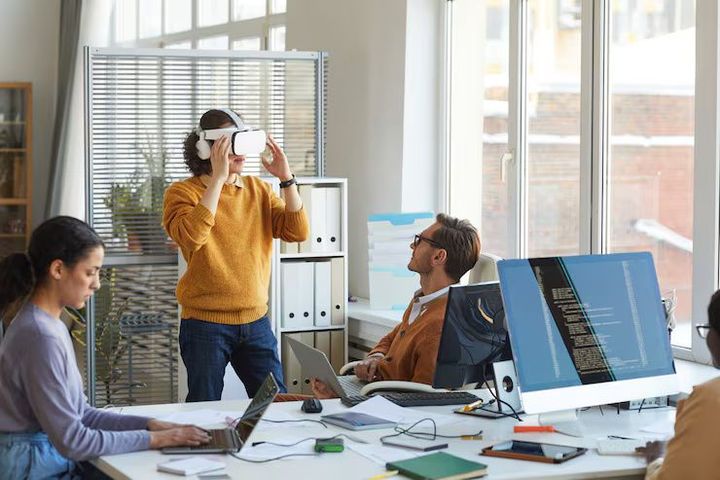
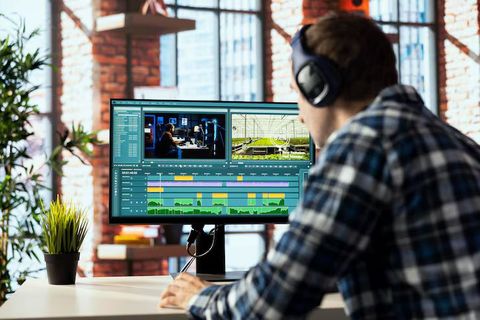
The concept of smart workspace technologies emerged as organizations adopted digital workplace strategies to manage growing information and distributed teams. Instead of relying only on traditional office setups, businesses now use intelligent tools that streamline workflows and provide real-time access to data.
A smart workspace integrates multiple technologies to create a connected and efficient work environment. These systems support collaboration, communication, and productivity across both office and remote settings.
Core Components of a Smart Workspace
A smart workspace combines several technological elements:
-
Cloud collaboration platforms
-
Artificial intelligence workplace tools
-
Digital document management systems
-
Workplace analytics platforms
-
Internet of Things (IoT) office devices
-
Video conferencing and communication software
These technologies allow employees to access files, communicate with teams, and manage tasks from almost anywhere. They play a key role in enabling hybrid work environments.
Why Smart Workspace Technologies Matter Today
Smart workspace technologies have become essential as organizations adapt to modern work models. Businesses increasingly require efficient systems, secure data management, and flexible working environments.
These technologies impact various stakeholders across organizations.
Key Stakeholders
-
Corporate employees and remote workers
-
IT departments managing infrastructure
-
Organizational leaders overseeing productivity
-
Facilities managers planning office spaces
One major challenge in modern workplaces is managing collaboration across distributed teams. Employees often work across different locations and time zones, making coordination difficult.
Problems Addressed by Smart Workspaces
-
Communication gaps in hybrid teams
-
Inefficient document sharing
-
Limited visibility into project progress
-
Underutilized office spaces
Smart workspace tools also provide valuable insights through analytics. Organizations can track workspace usage, collaboration patterns, and meeting efficiency to improve decision-making.
Cybersecurity is another critical factor. Modern systems include features like encrypted communication, identity verification, and controlled access to protect sensitive data.
Recent Developments in Smart Workspace Technologies
Recent years have seen rapid innovation in smart workspace tools. In 2024 and early 2025, there has been strong growth in AI-powered productivity tools and workplace automation systems.
Artificial Intelligence Integration
Many workplace platforms now include AI assistants that support:
-
Meeting summaries
-
Document organization
-
Task automation
-
Workflow recommendations
These tools reduce manual work and allow employees to focus on higher-value tasks.
Hybrid Work Optimization
Organizations are improving hybrid work strategies using smart tools. Scheduling systems now help manage office attendance and workspace availability.
Digital desk reservation systems are a common example, enabling better planning of office usage.
Advanced Workplace Analytics
Modern analytics dashboards provide insights into:
-
Collaboration patterns
-
Workspace utilization rates
-
Meeting productivity metrics
These insights help organizations optimize operations and improve efficiency.
Integration with IoT Office Infrastructure
Connected devices are increasingly used in offices, including:
-
Smart lighting systems
-
Occupancy sensors
-
Climate control systems
These devices automatically adjust workplace conditions, improving comfort and energy efficiency.
Regulations and Policies Affecting Smart Workspaces
Smart workspace technologies operate within various regulatory frameworks. These regulations focus on data privacy, workplace safety, and digital governance.
Data Privacy Regulations
Organizations must comply with data protection laws when handling digital workplace data. Examples include:
-
General Data Protection Regulation (GDPR)
-
National data protection laws (India, Singapore, Australia)
-
Corporate cybersecurity standards
Remote Work Guidelines
Governments have introduced policies addressing hybrid work environments. These include:
-
Digital communication practices
-
Remote workplace safety
-
Employee data protection
Cybersecurity Compliance
Organizations implement security measures such as:
-
Multi-factor authentication
-
Secure cloud infrastructure
-
Controlled access permissions
These policies ensure safe and responsible use of workplace technologies.
Tools and Resources for Smart Workspace Management
A wide range of tools supports smart workspace environments. These tools help manage collaboration, productivity, and document storage.
Categories of Smart Workspace Tools
Collaboration Platforms
-
Team communication tools
-
Shared workspaces
-
Real-time messaging systems
Cloud Productivity Software
-
Document editing platforms
-
Spreadsheet collaboration tools
-
Presentation software
Workplace Analytics Systems
-
Productivity dashboards
-
Workspace utilization tracking
-
Meeting efficiency reports
Project Management Platforms
-
Task tracking systems
-
Workflow automation tools
-
Timeline visualization
Digital Document Management
-
Secure file storage
-
Version control systems
-
Document approval workflows
Smart Workspace Technology Comparison
| Technology Category | Primary Function | Workplace Benefit |
|---|
| Cloud Collaboration | File sharing and communication | Improves teamwork |
| Workplace Analytics | Data insights on work patterns | Enhances decision making |
| Project Management | Task and workflow tracking | Improves project visibility |
| IoT Office Systems | Smart building automation | Optimizes office environment |
Workplace Efficiency Metrics
| Workspace Metric | Purpose |
|---|
| Meeting productivity rate | Measures meeting efficiency |
| Collaboration frequency | Tracks team communication |
| Workspace occupancy | Indicates office space utilization |
| Task completion cycle | Measures workflow efficiency |
Organizations use these metrics to evaluate the effectiveness of smart workspace solutions.
Frequently Asked Questions
What is a smart workspace?
A smart workspace is a technology-enabled work environment that integrates digital tools, cloud platforms, and connected devices to improve productivity and communication.
How do smart workspace technologies support hybrid work?
They provide tools like video conferencing, cloud file sharing, and digital scheduling systems that allow employees to work efficiently from different locations.
What technologies are commonly used in smart offices?
Common technologies include cloud computing platforms, AI tools, workplace analytics systems, project management software, and IoT devices.
Are smart workspace technologies secure?
Most platforms include features such as encryption, identity verification, and access management. Organizations must also follow cybersecurity best practices.
How do organizations measure smart workspace performance?
Performance is measured using metrics like collaboration frequency, workspace utilization, and project completion times.
Conclusion
Smart workspace technologies are transforming how organizations operate in digital environments. By combining cloud platforms, AI tools, and analytics systems, they enable better collaboration and productivity.
The rise of hybrid work has accelerated the adoption of these solutions. Businesses increasingly rely on data insights, automation, and connected devices to manage complex workflows.
As innovation continues, smart workspace systems will remain essential for managing teams, information, and operations efficiently in the modern workplace.