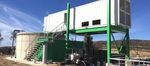
Solar Water Heaters: Complete Guide to Efficient and Eco-Friendly Heating
Solar water heaters are becoming a central part of renewable energy strategies worldwide. As households and businesses focus on energy efficiency, sustainable living, and reducing electricity consumption, solar thermal technology provides a practical and environmentally responsible solution.
A solar water heater is a renewable energy system that uses sunlight to heat water for residential, commercial, or industrial use. Unlike conventional electric or gas-based systems, it relies on solar collectors installed on rooftops or open areas.
The need for solar water heating emerged due to rising electricity demand, dependence on fossil fuels, and environmental concerns such as carbon emissions. Traditional water heating can account for 15–30% of household energy consumption.
Solar water heaters help reduce reliance on grid electricity and improve long-term energy efficiency. They are widely used in sustainable housing and green building infrastructure.
Types of Solar Water Heaters
There are two primary types of systems:
- Active systems (with pumps and controllers)
- Passive systems (natural circulation, no mechanical pumps)
Key Components
Common components of solar water heaters include:
- Solar collectors (flat-plate or evacuated tube)
- Storage tank
- Heat exchanger
- Controller (for active systems)
The system works by absorbing sunlight, transferring heat to stored water, and supplying it when needed.

Importance – Why Solar Water Heating Matters Today
Solar water heating has become increasingly important due to rising energy costs and global climate goals. It offers a practical way to reduce electricity consumption and carbon emissions.
Energy Efficiency and Reduced Electricity Use
Solar systems significantly lower electricity usage by shifting water heating to renewable energy. This reduces dependence on grid power, especially during peak hours.
Environmental Sustainability
Solar water heaters produce minimal carbon emissions during operation. They support renewable energy targets and contribute to environmentally responsible living.
Long-Term Financial Benefits
Although initial installation costs may be higher, long-term savings on energy bills make them cost-effective. Many governments also offer incentives and tax benefits.
Energy Security
Solar water heating enhances energy independence. It is particularly useful in regions with power shortages or rising fuel prices.
Comparison Table: Conventional vs Solar Water Heaters
| Feature | Conventional Heater | Solar Water Heater |
|---|---|---|
| Energy Source | Electricity / Gas | Sunlight |
| Carbon Emissions | Moderate to High | Very Low |
| Monthly Electricity Use | High | Reduced |
| Lifespan | 8–12 years | 15–25 years |
| Maintenance Needs | Moderate | Low to Moderate |
Common Applications
Solar water heaters are widely used in:
- Residential homes
- Apartment complexes
- Hospitals and healthcare facilities
- Educational institutions
- Hotels and hospitality sectors
Recent Updates – Trends and Developments in 2025
Solar water heating technology has evolved significantly in recent years. In 2025, several innovations and policy developments have accelerated adoption.
Technological Improvements
Modern evacuated tube collectors now offer higher thermal efficiency. Advanced insulation materials help reduce heat loss and improve performance.
Smart Integration
New systems integrate with smart home platforms. AI-based controllers optimize heating schedules based on weather and usage patterns.
Hybrid Systems
Hybrid systems combining solar collectors with heat pump technology are gaining popularity. They ensure reliable performance even during low sunlight conditions.
Government Climate Targets
Many countries have updated renewable energy goals. Solar thermal systems are now included in green building and net-zero construction programs.
Urban Sustainability Initiatives
Cities are incorporating solar water heating into sustainability plans. This encourages adoption in residential and commercial developments.
Global Market Growth
The solar thermal market has seen steady growth, especially in Asia-Pacific regions. Favorable policies and high sunlight availability drive adoption.
Laws and Policies – Regulatory Influence on Solar Water Heaters
Government regulations play a crucial role in promoting solar water heating. Policies typically focus on energy efficiency and renewable energy adoption.
Building Codes and Energy Standards
Many countries include solar heating systems in green building codes. New constructions may require renewable energy solutions to meet performance standards.
Renewable Energy Incentives
Governments often provide tax credits, rebates, or subsidies. These incentives reduce installation costs and encourage adoption.
Net-Zero Emission Targets
Solar water heaters support national goals for achieving net-zero emissions by 2050. They are an essential part of renewable energy strategies.
Certification Requirements
Installers and system components must meet safety and performance standards. Certification ensures reliability and efficiency.
Policy Objectives
Key goals of these regulations include:
- Reducing electricity demand
- Lowering greenhouse gas emissions
- Promoting renewable energy innovation
- Improving building energy ratings
Tools and Resources – Practical Support for Solar Water Heating
Various tools help users evaluate and implement solar water heating systems effectively. These resources support better planning and energy management.
Solar Energy Calculators
Online tools estimate energy savings based on:
- Location
- Sunlight exposure
- Water usage
Government Renewable Energy Portals
Official websites provide information on incentives, policies, and approved equipment standards.
Energy Monitoring Apps
Smart apps track electricity usage and measure savings from solar systems.
Installer Directories
Directories list certified professionals for safe and compliant installation.
Estimated Annual Energy Savings
| Household Size | Estimated Annual Electricity Reduction |
|---|---|
| 2 People | 1,200–1,800 kWh |
| 4 People | 2,000–3,000 kWh |
| 6 People | 3,000–4,500 kWh |
Actual savings depend on climate, system type, and usage patterns.
FAQs – Common Questions About Solar Water Heaters
What is the difference between solar water heaters and solar panels?
Solar water heaters use thermal energy to heat water directly. Solar panels generate electricity from sunlight.
Do solar water heaters work during cloudy weather?
Yes, but efficiency may decrease. Most systems include backup heating options for consistent performance.
How long does a solar water heater last?
High-quality systems typically last between 15 and 25 years with proper maintenance.
Is solar water heating suitable for cold climates?
Yes, especially with evacuated tube systems and proper insulation. These designs maintain efficiency in low temperatures.
Does maintenance require significant effort?
Maintenance is generally minimal. Periodic inspections help maintain optimal efficiency.
Conclusion
Solar water heaters offer a sustainable and efficient solution for reducing energy consumption. They align with global renewable energy goals and support long-term cost savings.
Technological advancements, smart integrations, and supportive government policies are driving adoption worldwide. These systems are becoming a standard feature in energy-efficient buildings.
By using available tools and understanding policy frameworks, individuals and organizations can make informed decisions. Solar water heating remains a reliable and environmentally responsible solution for the future.