Stainless Steel Learn Guide: Understanding Material Behavior
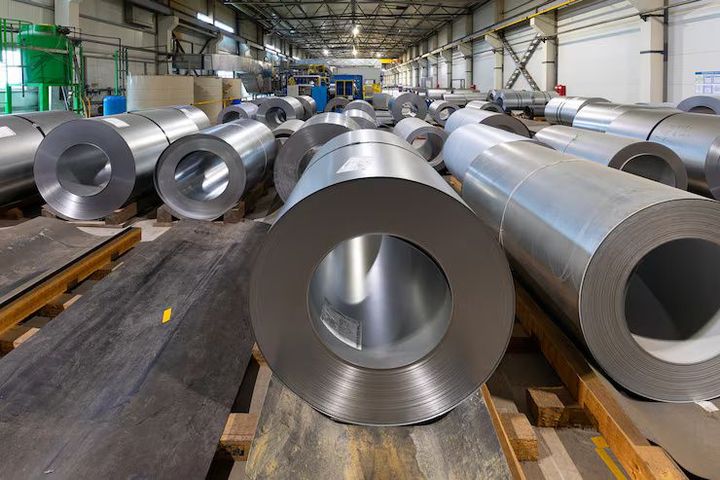
Stainless steel is a metal alloy primarily composed of iron, chromium, and small amounts of other elements such as nickel and molybdenum. It exists to provide improved resistance to corrosion, enhanced strength, and long-term durability compared to ordinary carbon steel.
Stainless steel was developed to address the problem of corrosion in metals exposed to moisture, air, and chemicals. By adding chromium, a protective oxide layer forms on the surface, preventing rust and improving durability.
Today, stainless steel is widely used in construction, manufacturing, transportation, medical equipment, food processing, and energy systems. Its unique properties make it suitable for demanding environments where strength and resistance are essential.
Why Stainless Steel Matters Today
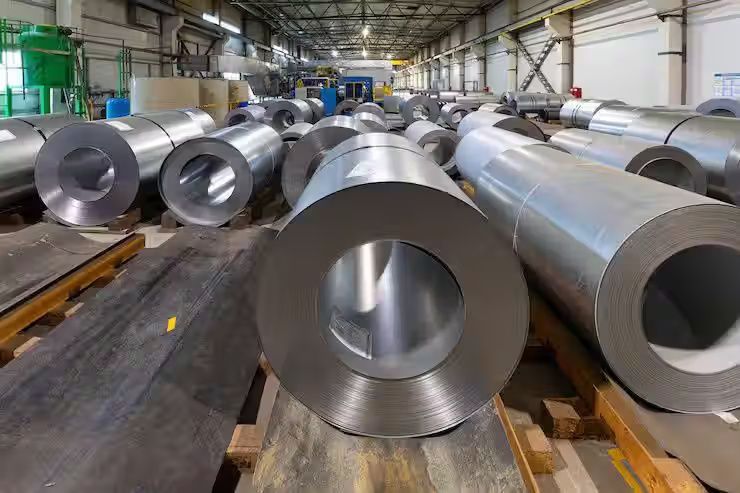
Stainless steel plays a critical role in modern infrastructure and industrial systems. It provides reliable performance in environments that require strength, hygiene, and long-term durability.
Key Reasons This Topic Matters
- Corrosion resistance: Prevents rust and material degradation
- Mechanical strength: Maintains structure under stress
- Hygiene: Suitable for clean and contamination-sensitive environments
- Longevity: Extends lifespan of equipment and structures
These characteristics make stainless steel essential for engineers, designers, and manufacturers.
Recent Developments and Trends (2024–2025)
Recent advancements in stainless steel focus on improving performance, sustainability, and material efficiency.
Key Trends Overview
| Trend | Description | Impact |
|---|---|---|
| Low-carbon stainless steel | Reduced carbon content for better corrosion resistance | Improves durability |
| Advanced surface treatments | Enhanced finishing methods | Increases lifespan and performance |
| Recyclability focus | Greater emphasis on circular material usage | Supports sustainability |
| Improved testing techniques | Advanced methods for performance prediction | Enhances reliability |
These developments reflect the growing importance of sustainable and high-performance materials.
Laws and Policies Affecting Stainless Steel
Stainless steel production and use are regulated by industrial standards and environmental policies. These frameworks ensure quality, safety, and responsible manufacturing.
Key Regulatory Areas
- Material certification standards: Ensure composition and quality
- Environmental regulations: Control emissions and processing impact
- Workplace safety rules: Guide fabrication and handling
- Construction standards: Define material requirements
Recent policy updates emphasize traceability and proper documentation in material usage.
Tools and Resources for Understanding Stainless Steel
Various technical resources help explain stainless steel properties and applications. These tools support learning and decision-making.
Useful Tools and References
- Material property charts: Show strength and corrosion resistance
- Alloy composition tables: Explain material variations
- Corrosion guides: Identify suitable environments
- Testing standards: Define performance evaluation methods
- Engineering handbooks: Provide detailed material insights
Common Types of Stainless Steel
| Type | Key Characteristic | Typical Use |
|---|---|---|
| Austenitic | High corrosion resistance | Food and medical equipment |
| Ferritic | Magnetic properties | Automotive components |
| Martensitic | High hardness | Cutting tools |
| Duplex | Strength and corrosion balance | Industrial systems |
Factors Affecting Stainless Steel Performance
| Factor | Description | Impact |
|---|---|---|
| Chromium content | Forms protective oxide layer | Improves corrosion resistance |
| Temperature | Exposure to heat | Affects strength and stability |
| Surface finish | Smoothness of material | Influences hygiene and durability |
| Environment | Moisture and chemical exposure | Determines performance stability |
These resources help explain how stainless steel behaves in different conditions.
Frequently Asked Questions
What Is Stainless Steel?
It is a metal alloy designed to resist corrosion and maintain strength over time.
Why Does It Resist Rust?
Chromium forms a protective oxide layer that prevents oxidation.
Are All Types the Same?
No, different grades vary in composition, strength, and resistance properties.
Where Is It Used?
It is used in construction, manufacturing, food processing, medical equipment, and energy systems.
Is It Sustainable?
Yes, its durability and recyclability support long-term sustainable use.
Conclusion
Stainless steel is a fundamental material in modern engineering due to its durability, corrosion resistance, and adaptability. Its performance depends on composition, processing, and environmental conditions.
As industries focus on sustainability and long-term reliability, stainless steel continues to play an important role. Understanding its properties and applications helps support better material selection and engineering decisions.